

Do you want your dog to learn new tricks quickly and happily? Clicker training is a simple and effective way to teach your furry friend good behavior.
With just a small device and the right technique, you can make training fun for both you and your dog. You’ll discover easy steps to clicker train your dog and improve your bond like never before. Ready to see your dog respond eagerly to your commands?
Keep reading, and let’s get started!
Basics Of Clicker Training
Clicker training is a simple and effective way to teach your dog new behaviors. It uses a small sound device called a clicker. The click marks the exact moment your dog does something right. This helps your dog understand what you want quickly.
Training with a clicker builds clear communication between you and your pet. It makes learning fun and fast for dogs. This method works well for all dog breeds and ages.
What Is Clicker Training
Clicker training uses a small plastic device that makes a clicking sound. This sound is a signal to your dog. It tells the dog that it did the right thing. After the click, you give a treat or reward. The dog learns to connect the click with good behavior.
This type of training is based on positive reinforcement. It encourages dogs to repeat good actions. The click is a clear and consistent way to communicate.
Why Use A Clicker
A clicker makes training precise and easy. The sound is quick and sharp. Dogs notice the click more than words. It marks the exact moment to reward a behavior.
Using a clicker reduces confusion for your dog. It helps dogs learn faster. It also makes training sessions shorter and more fun.
Choosing The Right Clicker
Pick a clicker that fits comfortably in your hand. It should be easy to press and loud enough for your dog to hear. Some clickers come with wrist straps to keep them handy.
Try different clickers to see which one works best. Make sure the sound is consistent each time you press it. Avoid clickers with soft or unclear sounds.
Getting Started With Your Dog
Starting clicker training with your dog sets the stage for clear communication. It builds trust and helps your dog learn faster. Patience and consistency are key during the first steps. Keep sessions short and positive to hold your dog’s attention. Small, focused efforts lead to great progress over time.
Introducing The Clicker
First, show your dog the clicker. Let your dog hear the sound several times. After each click, give a treat right away. This links the click sound to a reward. Your dog will soon understand that a click means good behavior.
Timing Your Clicks
Click at the exact moment your dog does what you want. This helps your dog know which action earns the reward. Too early or too late clicks confuse your dog. Practice timing by watching your dog carefully. Click quickly to mark the right behavior every time.
Setting Up A Training Space
Choose a quiet, distraction-free area for training. Use a small space to keep your dog focused. Have treats ready and keep them small. A calm environment helps your dog learn faster. Regular, short sessions in the same spot build good habits.
Core Training Techniques
Core training techniques form the foundation of clicker training for dogs. These techniques help your dog learn quickly and clearly. Using a clicker, you mark good behavior and guide your dog step by step. This method builds trust and makes training fun for both of you.
Capturing Desired Behaviors
Capturing means clicking at the exact moment your dog shows the right action. Wait patiently for your dog to offer a behavior naturally. The click tells your dog, “Yes, that is correct!” This technique helps your dog understand what you want without force.
Shaping Complex Actions
Shaping breaks down tricky behaviors into small steps. Reward every small move toward the final action. For example, if teaching your dog to roll over, reward each part of the roll. This step-by-step process makes hard tasks easier to learn.
Using Treats Effectively
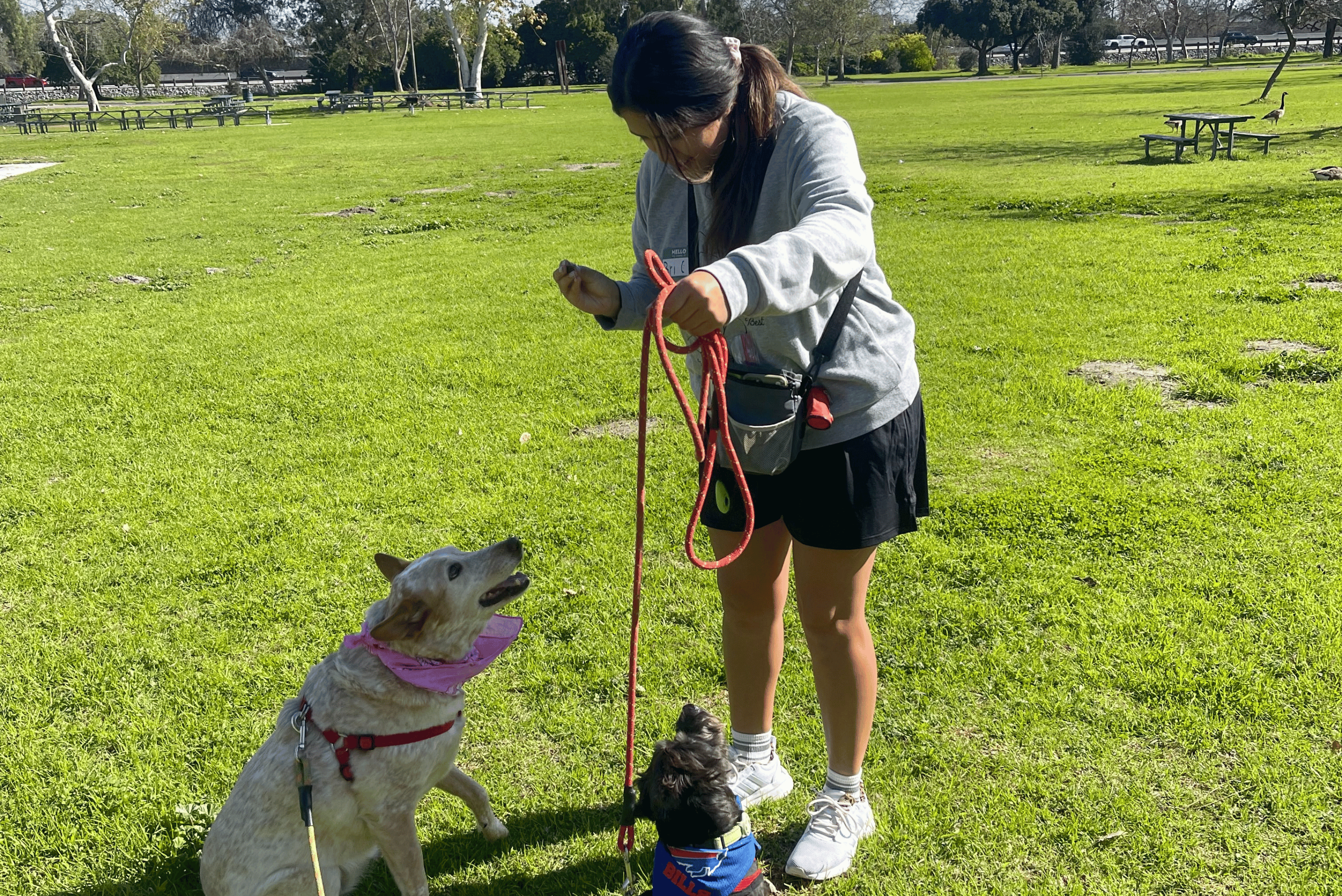
Treats motivate your dog to repeat good behavior. Use small, tasty treats to keep your dog interested. Give a treat right after the click to connect the reward with the action. Avoid overfeeding by using tiny, low-calorie treats during training.
Credit: underdogslb.com
Common Challenges And Fixes
Clicker training a dog can be very rewarding but also comes with challenges. Knowing these common issues helps you stay patient and focused. Fixing these problems early makes training smoother for both you and your dog.
Dealing With Distractions
Distractions can break your dog’s focus during training. Choose a quiet place to start sessions. Use short training periods to keep attention high. Gradually add distractions as your dog improves. Reward focus quickly to bring attention back.
Avoiding Overclicking
Clicking too much confuses your dog about what earns rewards. Click only once per correct action. Pause after each click to give treats. This helps your dog link the click with the right behavior. Watch your dog’s reactions to avoid clicking too fast.
Maintaining Consistency
Consistency builds clear communication between you and your dog. Use the same clicker sound every time. Train at regular times to create a routine. Make sure everyone in your home follows the same rules. Consistency helps your dog learn faster and better.
Advanced Training Tips
Advanced training tips help improve your dog’s skills beyond basics. They build stronger communication and better behavior. These tips also prepare your dog for real-life situations. Training becomes more fun and rewarding with advanced techniques. Focus on consistency and patience for best results.
Generalizing Commands
Dogs must learn commands in many places. Practice the same command in different rooms, outside, and at parks. Change the background and distractions to help your dog focus. Use the clicker every time your dog obeys. This way, commands work anywhere, not just at home.
Training Multiple Dogs
Train each dog separately at first. This avoids confusion and keeps their attention. Use the clicker for each dog’s correct behavior. Gradually train them together once they know commands well. Reward each dog individually to keep motivation high. This method keeps training clear and effective.
Incorporating Hand Signals
Hand signals help your dog understand commands without voice. Start by showing the hand sign and saying the command. Click and reward when your dog follows the signal. Practice signals daily to make them clear. Hand signals are useful in noisy places or at a distance.

Credit: asbbs.org
Benefits Of Professional Pet Services
Professional pet services offer many benefits for clicker training your dog. Experts bring experience that helps teach your dog faster. They know how to handle different dog behaviors. This makes training less stressful for both you and your pet.
Trainers use proven techniques that fit your dog’s needs. They provide clear guidance and support during the training process. Professional help also improves communication between you and your dog. This builds a stronger bond and better behavior.
When To Seek Expert Help
Look for expert help if your dog shows strong fear or aggression. Struggles to learn commands despite your efforts. Displays behaviors that are hard to manage at home. Professional trainers can address these problems safely and effectively.
Choosing A Trainer
Pick a trainer with good reviews and proper certifications. Find someone who uses positive, reward-based methods. Make sure they have experience with clicker training. A good trainer listens to your goals and adapts to your dog’s needs.
Combining Clicker Training With Other Methods
Clicker training works well with other gentle techniques. Use treats, praise, and play to reinforce good behavior. Mixing methods keeps your dog interested and motivated. This approach helps your dog learn faster and enjoy training sessions.

Credit: lilysfund.org
Frequently Asked Questions
What Is Clicker Training For Dogs?
Clicker training uses a small device that makes a sound to mark desired behaviors. It helps dogs understand commands quickly. Positive reinforcement follows the click to encourage repetition. This method is effective and humane for training pets.
How Do I Start Clicker Training My Dog?
Begin by associating the click sound with treats. Click, then immediately reward your dog. Repeat until your dog links the click to a positive outcome. Then, use the click to mark good behavior during training sessions.
How Often Should I Clicker Train My Dog?
Short, frequent sessions work best, about 5-10 minutes daily. Consistency helps your dog learn faster. Avoid long sessions to prevent boredom. Regular practice ensures steady progress and strengthens the training bond.
Can Clicker Training Fix Bad Behavior?
Yes, clicker training can redirect bad behavior by rewarding good alternatives. It builds positive habits and improves communication. Patience and consistency are key to replacing unwanted behaviors effectively.
Conclusion
Clicker training helps build trust and good habits in dogs. It rewards positive behavior clearly and quickly. Consistency and patience bring the best results. Keep training sessions short and fun for your pet. Celebrate small wins to stay motivated. This method suits dogs of all ages and breeds.
Practice daily to see steady progress. Enjoy bonding with your dog through this simple approach. Your pet will learn commands happily and confidently. Start today, and watch your dog respond well.