
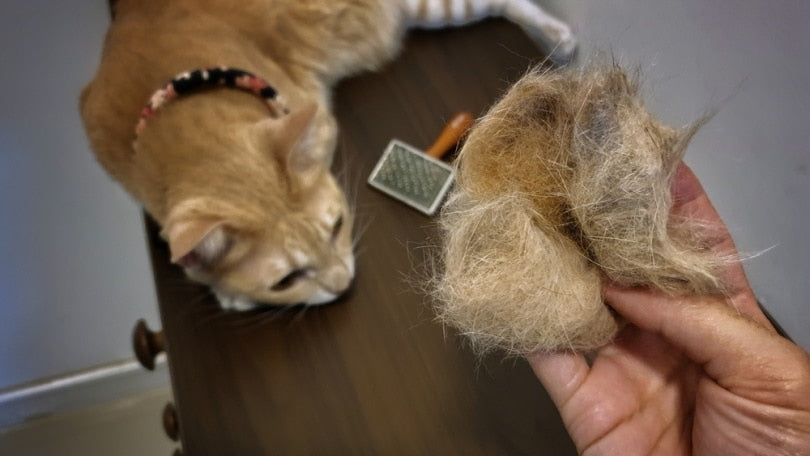
Cats are known for their clean habits, grooming themselves daily. But sometimes, this grooming leads to a messy problem: hairballs. If you’ve ever seen your cat cough up a hairball or noticed lumps tangled in their fur, you know it’s not pleasant—for your cat or your home. Removing hairballs from your cat’s fur requires patience, knowledge, and the right tools. This guide will help you understand why hairballs form, how to safely remove them, and how to prevent future issues, all with practical advice and clear steps. Whether your cat has long or short fur, you’ll learn how to make grooming easier and more comfortable for both of you.
Understanding Hairballs In Cats
Hairballs, or trichobezoars, are clumps of fur that cats swallow while grooming. Most hair passes through the digestive system, but sometimes it forms a ball in the stomach. Cats usually cough up these balls, but some fur can get stuck in their coat, especially in long-haired breeds.
Why Do Hairballs Form?
Cats groom themselves using their tongue, which has tiny hooks that catch loose fur. This fur is swallowed and, ideally, digested or passed out. But in cats that shed a lot, or those with longer coats, more fur is swallowed and can form hairballs.
If your cat is stressed, sick, or has skin problems, they might groom excessively, increasing the risk.
Hairballs In Fur Vs. Digestive Hairballs
Hairballs stuck in the fur aren’t the same as those found in the digestive tract. Fur hairballs are matted clumps that can cause discomfort, skin irritation, and even infection if left untreated. Digestive hairballs are coughed up or vomited. Both are signs that your cat needs grooming help.
Breeds Most At Risk
Some breeds are more prone to hairballs in their fur:
| Breed | Hairball Risk | Typical Coat Length |
|---|---|---|
| Maine Coon | High | Long |
| Persian | High | Long |
| Domestic Shorthair | Medium | Short |
| Siamese | Low | Short |
Long-haired cats need more grooming and are more likely to get hairballs in their fur.
Signs Your Cat Has Hairballs In Fur
Detecting hairballs in your cat’s fur early can prevent bigger problems. Here’s what to look for:
- Matted clumps: Firm, tangled balls of fur.
- Excessive licking: Cats may lick or bite at the area.
- Skin redness: Irritation or swelling under the mat.
- Odor: Bad smell if mats trap dirt or moisture.
- Behavior changes: Your cat may act uncomfortable or hide.
Sometimes, hairballs can hide under layers of fur. For long-haired cats, check the belly, underarms, and behind the ears.
Preparing To Remove Hairballs Safely
Before you start, create a calm, safe environment. Cats get stressed easily, so preparation matters.
Gather Your Tools
You’ll need:
- Wide-tooth comb: For detangling large mats.
- Fine-tooth comb: For finishing and removing smaller tangles.
- Mat splitter: Special tool for cutting through tough mats.
- Cat-safe scissors: Blunt tips to avoid injury.
- Detangling spray: Makes fur easier to comb.
- Treats: To reward and calm your cat.
Some tools are better for certain fur types. For example, mat splitters work well for thick, dense fur, while fine-tooth combs help with short coats.
Setting Up The Area
Choose a quiet room with good lighting. Lay out a towel or blanket for your cat to sit on. Have treats nearby for positive reinforcement.
Safety First
Never pull hard on mats or use sharp scissors close to the skin. Cats’ skin is thin and can tear easily. If you’re unsure, ask a vet or groomer for help.
Step-by-step Guide To Removing Hairballs From Cats Fur
Removing hairballs safely takes patience. Here’s how to do it:
Step 1: Calm Your Cat
Start by petting your cat and talking gently. Give them a treat to relax. If your cat is nervous, try short grooming sessions over several days.
Step 2: Locate The Hairballs
Use your fingers to feel for matted clumps. Separate the fur gently to see how deep the mat goes. Some mats are close to the skin, so be careful.
Step 3: Apply Detangling Spray
Lightly spray the matted area with detangling spray. This helps loosen the fur and makes it easier to comb.
Step 4: Use A Wide-tooth Comb
Gently insert the comb under the mat, as close to the skin as possible without touching it. Work slowly, pulling the comb through the mat in small sections. If the mat is too tight, don’t force it.
Step 5: Try A Mat Splitter
For tough mats, use a mat splitter. Slide the tool under the mat and cut through the tangled fur. Always cut away from the skin.
Step 6: Trim With Scissors (if Needed)
If combing and splitting don’t work, use cat-safe scissors. Hold the mat away from the skin and snip small pieces off. Never cut too close to the skin.
Step 7: Finish With A Fine-tooth Comb
Once the mat is gone, comb the area with a fine-tooth comb to remove loose fur. Check for any missed tangles.
Step 8: Reward Your Cat
Give your cat a treat and praise. This helps them associate grooming with positive experiences.
Step 9: Check For Skin Problems
After removing the hairball, look for redness, sores, or signs of infection. If you see any, contact a vet.
Credit: supertails.com
When To Seek Professional Help
Some hairballs are too big or too close to the skin for safe removal at home. If you notice:
- Mats covering a large area
- Open wounds or bleeding
- Your cat is stressed or aggressive
- You’re unsure how to proceed
It’s best to visit a professional groomer or veterinarian. They have special tools and experience to handle difficult cases without hurting your cat.
Preventing Hairballs In Cats Fur
Prevention is easier than removal. Regular grooming and a healthy lifestyle can keep hairballs away.
Regular Brushing
Brush your cat daily if they have long hair, and at least twice a week for short-haired cats. Use brushes suited for their coat type.
| Coat Type | Recommended Brush | Frequency |
|---|---|---|
| Long | Slicker brush, wide-tooth comb | Daily |
| Medium | Pin brush, comb | 3-4 times/week |
| Short | Bristle brush | 2-3 times/week |
Bathing
Bathing can help remove loose fur. Use cat-safe shampoo and make sure your cat is comfortable. Most cats don’t need frequent baths—once every few months is enough unless they get dirty often.
Diet And Hydration
A healthy diet can reduce shedding. Look for foods rich in omega-3 fatty acids and fiber. These help skin and coat health. Make sure your cat drinks enough water; dehydration can make skin dry and increase shedding.
Reducing Stress
Cats groom more when stressed. Keep their environment calm, provide toys, and avoid sudden changes. If your cat is anxious, consider pheromone sprays or diffusers.
Regular Vet Checks
Skin problems, allergies, or other health issues can cause excessive grooming. Regular vet visits help catch problems early.

Credit: www.amazon.com
Common Mistakes In Hairball Removal
Many cat owners make mistakes when removing hairballs. Avoid these pitfalls:
- Using human scissors: They are too sharp and can hurt your cat.
- Pulling mats forcefully: This causes pain and can tear the skin.
- Skipping regular brushing: Mats form quickly if grooming is ignored.
- Ignoring the signs of stress: A stressed cat may bite or scratch.
- Using harsh products: Only use sprays and shampoos made for cats.
Experienced groomers recommend patience and gentle handling. If you’re unsure, always ask for help.
How Hairballs Affect Cat Health
Hairballs in fur are more than a grooming problem. They can impact your cat’s health in several ways.
Skin Infections
Mats trap moisture and dirt, leading to skin infections. If untreated, these infections can cause pain and require antibiotics.
Restricted Movement
Large mats can restrict movement, especially underarms or legs. Cats may limp or avoid jumping.
Behavioral Changes
Cats with mats may become irritable, hide more, or stop playing. They may also groom excessively, making the problem worse.
Digestive Hairballs
While this guide is about hairballs in fur, remember that swallowed hairballs can cause vomiting or blockages. If your cat coughs up hairballs often, talk to your vet.

Credit: www.amazon.com
Tools And Products For Hairball Removal
Choosing the right tools makes the process safer and easier. Here’s a comparison of popular options:
| Tool | Best For | Safety | Price Range |
|---|---|---|---|
| Wide-tooth comb | Large mats, thick fur | High | $8–$15 |
| Mat splitter | Tough mats | Medium | $10–$20 |
| Fine-tooth comb | Finishing, short fur | High | $5–$12 |
| Cat-safe scissors | Trimming mats | Medium (with caution) | $6–$14 |
| Detangling spray | Loosening fur | High | $7–$18 |
Look for tools with comfortable handles and blunt tips. Avoid cheap products that can break easily.
Practical Tips For Easier Grooming
Grooming doesn’t have to be stressful. Here are some practical tips:
- Start young: Get your cat used to brushing early.
- Make it fun: Use treats and play to reward calm behavior.
- Use short sessions: Five minutes a day is better than one long session.
- Check hidden spots: Mats often form under the belly and behind the ears.
- Stay calm: Cats sense your mood. If you’re relaxed, your cat will be too.
One non-obvious tip: rotate grooming tools. Cats sometimes dislike one type of brush but enjoy another. Try different tools to see what your cat prefers.
Another insight: use grooming gloves. These gloves have rubber tips and remove loose fur while you pet your cat. Many cats find them less scary than brushes.
Myths And Facts About Hairballs
Many myths surround hairballs in cats. Let’s clear up a few:
- Myth: Only long-haired cats get hairballs.
- Fact: Short-haired cats can get them too, especially if they shed a lot.
- Myth: Hairballs are always harmless.
- Fact: Mats can cause pain and infections.
- Myth: Home remedies are always safe.
- Fact: Not all sprays or products are safe for cats; some can cause allergic reactions.
Some owners believe shaving their cat will stop hairballs. While shaving removes mats, it can stress your cat and expose their skin to sunburn or injury. Only shave if advised by a vet.
Cat-friendly Grooming Routines
Building a routine makes grooming easier. Here’s an example:
- Daily brushing: Five minutes with a slicker brush.
- Weekly check: Inspect hidden areas for mats.
- Monthly bath: If your cat tolerates it.
- Quarterly vet visit: For skin and coat health.
- Regular treats: Positive reinforcement after grooming.
This routine prevents mats and keeps your cat comfortable.
Hairball Prevention Through Diet
Diet plays a big role in fur health. Foods with high protein and omega-3 fatty acids reduce shedding. Fiber helps move hair through the digestive system, lowering the risk of digestive hairballs.
Recommended Ingredients
Look for cat foods with:
- Salmon oil
- Chicken meal
- Brown rice
- Pumpkin
- Flaxseed
Some commercial diets are labeled “hairball formula” and include extra fiber.
Water Intake
Cats need water to keep their skin hydrated. If your cat doesn’t drink much, try a cat fountain. Wet food also helps boost water intake.
Special Considerations For Senior Cats
Older cats may struggle with grooming due to arthritis or illness. They need extra help.
- Brush gently: Use soft brushes to avoid hurting joints.
- Check for mats often: Seniors are less active and may miss spots.
- Consult your vet: Senior cats may have skin problems needing special care.
Grooming Long-haired Vs. Short-haired Cats
Long-haired cats need more attention. Mats form quickly and can hide under layers. Short-haired cats are easier to groom but still need regular checks.
Long-haired Tips
- Use detangling spray more often.
- Check under the belly and legs daily.
- Trim fur around problem areas if needed.
Short-haired Tips
- Use a fine-tooth comb for finishing.
- Focus on high-shedding seasons (spring and fall).
The Role Of Professional Groomers
If mats are severe, professional groomers have the skills and tools to help. They offer:
- Mat removal
- Bathing
- Trimming
- Skin health checks
Groomers can also teach you better techniques for home care.
Environmental Factors
Humidity, temperature, and indoor air quality can affect shedding and matting. Dry air increases static, making fur tangle more. Use humidifiers in winter and keep your home clean.
The Importance Of Routine
Routine is key. Cats thrive on regular grooming, feeding, and play. Keeping hairballs away is easier if you stick to a schedule.
Frequently Asked Questions
What Causes Hairballs In My Cat’s Fur?
Hairballs are caused by loose fur, excessive grooming, and shedding. Long-haired cats and those with skin problems are at higher risk.
Are Hairballs Dangerous For My Cat?
Hairballs in the fur can cause pain, skin infections, and movement problems. Digestive hairballs can cause vomiting or blockages.
Can I Use Human Hair Products On My Cat?
No. Human products may contain chemicals unsafe for cats. Always use cat-safe sprays and shampoos.
How Often Should I Brush My Cat To Prevent Hairballs?
Long-haired cats should be brushed daily. Short-haired cats need brushing two or three times per week.
When Should I See A Vet Or Groomer For Hairball Removal?
Seek help if mats cover a large area, cause bleeding, or if your cat is stressed or aggressive during grooming.
Removing hairballs from your cat’s fur is important for their health and comfort. With the right tools and routine, you can keep your cat happy and mat-free. If you need extra help, professional groomers and veterinarians are always available. For more information on cat grooming, visit ASPCA Cat Grooming Tips. Your cat deserves the best care, so make grooming a positive, regular part of their life.