
If you own a cat, you know the joy and warmth they bring to your home. But with every soft purr and cozy cuddle, there’s a trade-off: cat fur on your couch. It collects quickly, clings stubbornly to fabric, and sometimes seems impossible to remove. Whether you host guests or just want a clean space, learning how to remove cat fur from your couch is essential.
This guide will give you step-by-step methods, practical advice, and smart prevention tips. You’ll also learn about common mistakes, helpful tools, and what really works for different couch materials. By the end, you’ll have a toolbox of strategies to keep your couch looking fresh—even if your cat claims it as their throne.
Why Cat Fur Sticks To Couches
Cat fur isn’t just a surface problem. Each hair carries a slight static charge, making it cling to upholstery. The texture of most couch fabrics, especially those with open weaves, traps these hairs. This means simply brushing or vacuuming often isn’t enough.
Some people notice more fur buildup during shedding seasons, usually in spring and fall. If your cat is a long-haired breed, you’ll likely deal with even more hair on the couch. Understanding why fur sticks helps you choose the right method to remove it.
Essential Tools For Removing Cat Fur
The right tools make a big difference in how easy and effective your cleaning routine is. Here’s a look at some of the most useful:
| Tool | Best For | Pros | Cons |
|---|---|---|---|
| Lint Roller | Quick clean-ups | Easy to use, portable | Needs refills, not eco-friendly |
| Rubber Gloves | Deep cleaning, all fabrics | Cheap, reusable, effective | Can take longer on large areas |
| Vacuum Cleaner (with Pet Brush) | Regular maintenance | Powerful, covers large areas | Noisy, needs electricity |
| Fabric Brush | Delicate fabrics | Gentle, reusable | Less effective for heavy fur |
| Pet Hair Remover Sponge | Detail work, tight spaces | Easy to use, no mess | Wears out over time |
| Dryer Sheets | Static removal, quick fixes | Reduces cling, pleasant scent | Single-use, not eco-friendly |
If you’re just starting, you don’t need every tool. Begin with one or two—like rubber gloves and a lint roller—and add more as you discover what works best for your couch fabric and cleaning style.
Step-by-step Methods To Remove Cat Fur
You’ll find many tricks online, but not all deliver good results. Here are tried-and-true methods, broken down by the most common couch materials.
For Fabric Or Cloth Couches
- Vacuum Thoroughly: Use a vacuum cleaner with a pet hair attachment. Go slowly, and move in multiple directions to lift hairs caught in the weave.
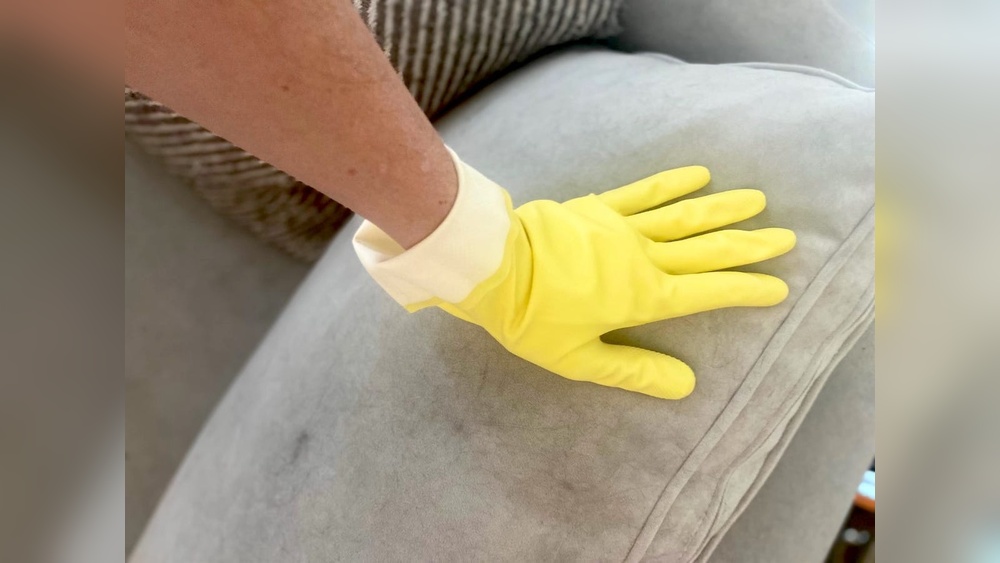
- Rubber Gloves Technique: Wear slightly dampened rubber gloves. Run your hand over the couch—the fur will ball up for easy removal. This works especially well on armrests and cushions.
- Lint Roller Sweep: Roll over the couch with sticky sheets. Replace sheets often for the best effect. Target areas where your cat sleeps most.
- Pet Hair Remover Sponge: Rub gently in one direction to collect clumps of hair, especially in seams and corners.
- Dryer Sheet Wipe: Use a fresh dryer sheet to reduce static and loosen any stubborn hairs.
For Leather Or Faux Leather Couches
Leather surfaces don’t trap fur as easily, but hairs can still stick, especially in seams.
- Microfiber Cloth Wipe: Use a clean, slightly damp microfiber cloth. Wipe gently in a circular motion.
- Vacuum with Brush Attachment: A soft brush prevents scratching. Focus on crevices where fur collects.
- Dry Cloth Buff: After cleaning, buff with a dry cloth to remove any remaining hairs and prevent streaks.
For Velvet, Suede, Or Delicate Fabrics
These fabrics can be tricky. Test on a small area first.
- Fabric Brush or Lint Brush: Use gentle strokes in one direction.
- Specialty Pet Hair Sponge: Lightly rub to lift hairs without damaging the fabric.
- Vacuum on Low Setting: Use a handheld attachment, but avoid strong suction that could harm the fibers.
How Often Should You Remove Cat Fur?
For most cat owners, a quick clean every two to three days keeps fur from building up. If you have multiple cats or a heavy shedder, daily attention may be needed. Plan a deeper clean—using a vacuum and rubber gloves—once a week.
The more often you clean, the easier each session becomes.

Credit: cleanercleaner.co.uk
Homemade And Budget-friendly Solutions
You don’t need expensive gadgets. Many household items do the job well:
- Rubber Gloves: Even dishwashing gloves work—just dampen them slightly.
- Squeegee: Run a dry window squeegee along the couch. The rubber edge lifts hair effectively, especially on flat surfaces.
- Damp Sponge: A clean, damp kitchen sponge can collect fur with gentle strokes.
- Sticky Tape: Wrap wide tape (like packing tape) around your hand, sticky side out, and pat the couch.
These options are cheap, effective, and eco-friendly compared to disposable products.
The Role Of Static Electricity
Static is a big reason cat fur is hard to remove. When the air is dry (especially in winter), static increases. You can control static by:
- Using a humidifier in the room
- Wiping surfaces with a damp cloth instead of a dry one
- Spraying a light mist of water mixed with a little fabric softener
Reducing static makes fur easier to lift and prevents re-clinging after cleaning.
Deep Cleaning: When And How
Even regular cleaning leaves some fur behind. Every few weeks, do a more thorough clean:
- Remove Couch Cushions: Shake them outdoors to release loose fur.
- Vacuum All Sides: Don’t forget the underside and back of cushions.
- Wash Removable Covers: If machine-washable, launder with a cup of white vinegar to loosen fur.
- Use a Pet Hair Sponge: Go over seams and corners that collect hidden hair.
- Finish with a Lint Roller: Pick up any stragglers.
Deep cleaning is also a good time to check for damage from claws or fur buildup in zippers and seams.
Preventing Cat Fur Buildup
Stopping fur before it lands on your couch saves time and effort. While you can’t prevent every hair, these strategies make a big difference:
Groom Your Cat Regularly
Brushing your cat every few days removes loose hair before it ends up on your furniture. Long-haired cats need more frequent grooming. Use brushes designed for your cat’s coat type—slicker brushes for long hair, rubber curry brushes for short hair.
Use Couch Covers Or Blankets
Placing a washable throw or blanket where your cat likes to sleep is a simple, effective barrier. Wash these covers weekly. Choose fabrics that don’t trap hair, like tightly woven cotton.
Choose The Right Couch Fabric
If you’re buying new furniture, some fabrics resist fur better than others. Here’s a quick comparison:
| Fabric Type | Fur Attraction | Ease of Cleaning | Comments |
|---|---|---|---|
| Leather/Faux Leather | Low | Very Easy | Wipes clean; not scratch-proof |
| Microfiber | Medium | Easy | Resists fur, but attracts static |
| Velvet/Suede | High | Hard | Fur clings tightly; needs special tools |
| Linen/Cotton | Medium | Moderate | Easy with regular cleaning |
| Tweed/Chenille | Very High | Hard | Open weave traps hair |
If your current couch holds fur badly, using throws or covers can help a lot.
Block Access During Shedding Season
If possible, restrict your cat’s access to the main couch during heavy shedding periods. Set up a cozy alternative, like a cat bed or a second couch, to encourage your cat to nap elsewhere.
Reduce Static In Your Home
As mentioned, using a humidifier, anti-static sprays, or even houseplants (which increase moisture) can help keep fur from sticking.
What To Do About Fur In Hard-to-reach Areas
Cat fur loves to hide in couch seams, under cushions, and between armrests. Here’s how to tackle these tricky spots:
- Crevice Tool: Most vacuum cleaners come with a narrow nozzle. Use it to target deep seams.
- Compressed Air: Blow fur out of tight spaces, then vacuum it up.
- Toothbrush or Small Detailing Brush: Gently brush fur from corners and fabric folds.
Don’t overlook the couch legs and frame, where fur can collect and trigger allergies over time.
How To Remove Cat Fur From Couch Cushions
Couch cushions often hold the most fur, especially where your cat curls up. For removable covers, always check the care label before washing. For non-removable cushions, use a combination of vacuuming, lint rolling, and the rubber glove technique. If your vacuum isn’t picking up fur, try loosening it first with a damp sponge or a fabric brush.
Pro tip: After cleaning, sprinkle a little baking soda on the cushion, let it sit 15 minutes, then vacuum. This lifts odors as well as stray hairs.

Credit: www.thriftydecorchick.com
Tackling Fur On Different Couch Colors
Fur shows up more on some colors than others. White or light couches show dark fur, while dark couches show white or light-colored fur. Here’s how to handle both:
- For dark couches, use a lint roller and vacuum more often, as light fur stands out.
- For light couches, damp cleaning tools (like rubber gloves or sponges) help prevent dark fur from smearing or embedding in the fabric.
You can also match your couch cover or throw blanket to your cat’s fur color for a low-visibility solution.
Common Mistakes When Removing Cat Fur
Many people waste time or even damage their couch by using the wrong methods. Here are mistakes to avoid:
- Using Too Much Water: Over-wetting can leave stains or watermarks, especially on delicate fabrics.
- Scrubbing Aggressively: This can damage fibers and make the couch look worn.
- Skipping Regular Cleaning: Waiting too long lets fur embed deeper, making it harder to remove.
- Forgetting Static Control: Ignoring static makes fur removal much less effective.
- Using the Wrong Brush: Hard brushes can scratch leather or suede, while soft brushes may not lift heavy fur on tough fabrics.
Health And Allergy Considerations
Cat fur isn’t just a cosmetic problem—it can trigger allergies and worsen asthma in sensitive people. Even if you’re not allergic, dander (tiny flakes of skin attached to fur) can build up and affect air quality. Regular cleaning and using a HEPA-filter vacuum help reduce allergens.
If you or your guests have allergies, consider using air purifiers and washing couch covers in hot water to kill dust mites and remove dander.
The Hidden Impact: Fur And Couch Longevity
Did you know that cat fur can shorten your couch’s lifespan? When fur builds up, it attracts dirt, oils, and even pests. Over time, this can break down fabric fibers, cause staining, and lead to unpleasant smells. Consistent cleaning keeps your couch looking new and protects your investment.
Should You Use Commercial Pet Hair Removers?
There are hundreds of gadgets claiming to remove pet hair. Some work well, others don’t. Look for products with strong reviews and clear return policies. Avoid sticky rollers with weak adhesive or brushes with metal bristles that can harm your couch.
Reusable options, like silicone brushes and specially designed rollers, are often more eco-friendly and cost-effective in the long run. For an in-depth look at consumer-tested options, check resources like the Consumer Reports guide to pet hair removers.
Smart Cleaning Routine For Cat Owners
Staying on top of fur removal is easier with a routine:
- Daily: Quick sweep with a lint roller or rubber glove.
- Weekly: Vacuum and use a pet hair remover on all couch surfaces.
- Monthly: Deep clean cushions, launder covers, and treat the couch with anti-static spray.
Setting reminders or making it part of your chores helps keep fur under control.
When To Call A Professional
If your couch is expensive, antique, or has stubborn stains and fur you can’t remove, consider a professional upholstery cleaning. They have specialized tools and cleaning agents. This is especially important for velvet, suede, and other delicate fabrics. Most professionals recommend cleaning at least once a year for homes with pets.
Two Non-obvious Insights Most Beginners Miss
- Fur in the Air: Even if your couch looks clean, airborne fur can settle back down. Dust and vacuum nearby floors, curtains, and shelves to prevent re-contamination.
- The Role of Humidity: Most people focus only on brushes and vacuums, but controlling humidity (ideally 40–60%) makes all fur removal methods more effective. Dry air increases static, so running a humidifier during colder months helps a lot.

Credit: www.reddit.com
Frequently Asked Questions
How Can I Stop My Cat From Shedding So Much On The Couch?
While you can’t stop shedding completely, regular brushing reduces loose hairs. Feed your cat a healthy diet and ensure they’re hydrated, as poor nutrition can increase shedding. Providing a cozy bed or blanket for your cat can also encourage them to nap away from the main couch.
Are There Any Fabrics That Are Truly Pet Hair-proof?
No fabric is 100% fur-proof, but leather and faux leather are the easiest to clean. Microfiber also resists fur better than most woven fabrics. Avoid tweed, chenille, and velvet if you want to minimize fur problems.
Is It Safe To Use Adhesive Rollers Or Tape On All Couch Types?
Adhesive rollers are safe for most fabric couches. For leather, suede, or delicate materials, test a small area first to make sure the adhesive doesn’t leave marks or damage. Avoid using tape that’s too sticky, as it can lift color from some fabrics.
Can Washing Couch Covers In The Washing Machine Remove All Cat Fur?
Washing helps, but not all fur comes out in the wash. Before washing, use a lint brush or vacuum to remove as much fur as possible. Add half a cup of white vinegar to the rinse cycle—it helps loosen fur from fabric.
What’s The Fastest Way To Remove Cat Fur Before Guests Arrive?
Use a damp rubber glove or a lint roller for a quick sweep. Focus on areas where fur is most visible. For leather, a microfiber cloth works fastest. Keep a dedicated cleaning tool near the couch for last-minute emergencies.
Keeping your couch cat-fur-free isn’t just about appearance—it’s about comfort, health, and making your home welcoming for everyone. With the right tools, habits, and a little patience, you’ll find a routine that keeps fur under control, no matter how much your feline friend loves the couch.