
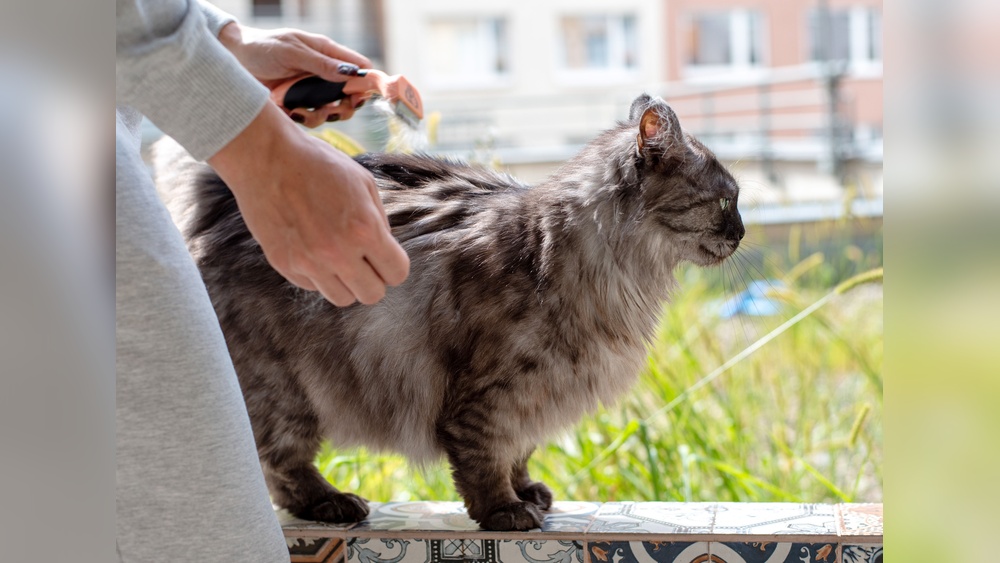
A cat’s soft, shiny fur is one of the reasons people love them so much. But when your cat’s coat becomes tangled, forming matted fur, it’s not just a cosmetic problem. Mats can be painful for cats, cause skin issues, and even lead to infections. Removing matted fur requires careful attention, patience, and the right tools. If you’re a cat owner who has discovered mats in your pet’s coat, you might feel overwhelmed or even a little guilty. Don’t worry—you’re not alone, and it’s possible to fix the problem safely.
This article will guide you through everything you need to know about removing matted fur from your cat. You’ll learn what causes mats, how to prevent them, and most importantly, how to remove them without hurting your feline friend. Along the way, you’ll get practical advice, expert tips, and clear answers to common questions.
Whether you’re dealing with a few small knots or a major tangle, you’ll find solutions here.
Why Do Cats Get Matted Fur?
Before you pick up a brush or scissors, it helps to understand why mats form. Matted fur is more common in some cats, but any breed can develop them under certain conditions.
Causes Of Matted Fur
- Shedding and Loose Hair: Cats shed hair all year, not just during seasonal changes. If dead hairs are not removed by grooming, they can tangle and form mats, especially in long-haired breeds.
- Lack of Self-Grooming: Healthy cats groom themselves often. Illness, obesity, arthritis, or old age can make grooming difficult, causing mats to build up.
- Movement and Friction: Mats often form where the cat’s body moves the most, such as under the legs, behind the ears, and around the collar area. Friction in these areas causes hair to twist and tangle.
- Moisture: If a cat’s fur gets wet and isn’t dried or groomed, it can clump together and mat.
- Dirty Fur: Dirt, dust, and oils can cause hair to stick together, making mats more likely.
Breeds Most At Risk
Some cats are more likely to get matted fur. For example, Persians, Maine Coons, and Ragdolls have long, thick coats that need regular grooming. Even short-haired cats can get mats, especially if they have health issues.
Health Risks Of Matted Fur
Mats can be uncomfortable or even painful for your cat. As mats tighten, they pull on the skin, which can cause irritation and sores. Severe mats can hide parasites like fleas or ticks, trap dirt, and block airflow to the skin, leading to infections.
Non-obvious insight: Many owners don’t realize that mats can form quickly, sometimes in just a few days if the cat is sick or stressed and stops grooming. Regular checks are important even for cats that usually keep themselves clean.
Tools And Supplies: What You Need Before You Start
Removing mats safely requires the right equipment. Using the wrong tool can pull your cat’s skin or even cause injury.
Essential Tools
- Wide-tooth comb: Helps untangle large mats gently.
- Slicker brush: Good for removing loose hairs and breaking up small tangles.
- Mat splitter or mat rake: Designed to cut through tough mats without pulling the skin.
- Blunt-ended scissors: Only for use in emergencies and with extreme caution.
- Detangling spray: Helps loosen knots and reduce pain.
- Pet-safe clippers: If mats are too severe for combing or cutting.
Optional Supplies
- Cornstarch or talcum powder: Sometimes helps loosen mats by reducing friction.
- Treats: To reward and calm your cat.
- Towel or grooming mat: Keeps your cat comfortable and hair off your furniture.
- Gloves: Protects your hands if your cat gets nervous or scratches.
Comparing Tools For Matted Fur
Here’s a quick comparison of the most common tools:
| Tool | Best For | Pros | Cons |
|---|---|---|---|
| Wide-tooth comb | Light to moderate mats | Gentle, easy to use | Not effective for large, tight mats |
| Slicker brush | Loose hair, small tangles | Removes debris, prevents mats | Can scratch skin if used too hard |
| Mat splitter/rake | Thick, stubborn mats | Cuts through mats safely | Requires practice, can pull if misused |
| Clippers | Severe or close-to-skin mats | Quick, less painful | Risk of cutting skin if not careful |
Non-obvious insight: Many pet owners think regular scissors are safe, but cat skin is loose and very thin. Even professionals can accidentally cut the skin. Only use scissors as a last resort and always keep the blades parallel to the skin, never pointed down.

Credit: www.reddit.com
Preparing Your Cat (and Yourself)
Trying to remove mats when your cat is stressed or scared can end badly for both of you. Preparation is key.
Choose The Right Time
Pick a quiet time when your cat is relaxed—after a meal or nap is often best. If your cat is playful or nervous, wait for another time. Grooming should never be rushed.
Create A Calm Environment
- Close doors and windows to prevent escapes.
- Keep other pets away.
- Play soft music or white noise if your cat finds it soothing.
- Have all tools ready before you bring your cat.
Help Your Cat Feel Safe
- Place your cat on a stable surface, like a table with a towel.
- Speak in a calm, gentle voice.
- Pet and reassure your cat before starting.
- If your cat is very nervous, try short grooming sessions over several days.
Consider Safety
If your cat has large mats, severe skin irritation, or becomes aggressive, it’s best to call a professional groomer or your vet. Never risk injury to yourself or your pet.
Step-by-step Guide: How To Remove Matted Fur From Your Cat
Now that you’re prepared, it’s time to start removing the mats. Here’s a clear, step-by-step process.
1. Examine The Mats
Look closely at your cat’s coat. Check:
- How many mats are there?
- Are they small and loose, or large and tight?
- Are they close to the skin?
- Is the skin red, bleeding, or infected under the mats?
If you see any wounds, swelling, or pus, stop and call your veterinarian. Mats that are close to the skin or cover a large area should also be handled by a professional.
2. Apply Detangling Spray Or Powder
Spray a little detangling spray or sprinkle cornstarch on the mat. Work it in gently with your fingers. This reduces friction and helps the comb or brush slide through.
3. Gently Loosen The Mat
Use your fingers to pull the mat apart gently, starting from the ends and working toward the base. Hold the base of the mat with one hand to avoid pulling on your cat’s skin.
4. Use A Wide-tooth Comb Or Mat Splitter
Insert the wide-tooth comb under a small section of the mat. Wiggle it gently to loosen the hairs. If the mat is too tight, use a mat splitter by sliding it between the mat and skin and gently slicing through the mat in small sections.
- Be patient. Work slowly to avoid hurting your cat.
- Never pull hard. Cats have sensitive skin that tears easily.
5. Cut Only If Absolutely Necessary
If you can’t loosen the mat with fingers or a mat splitter, you can use blunt-ended scissors. Place a comb between the mat and your cat’s skin, then cut the mat above the comb. Keep the scissors parallel to the skin, never pointed down.
Warning: This step is risky. If you’re nervous, stop and call a professional.
6. Use Clippers For Severe Mats
For extremely tight mats, pet-safe clippers may be needed. Hold the skin gently flat, run the clippers over the mat, and never press down hard. Use the shortest clipper blade. This is best left to a groomer if you have never used clippers before.
7. Brush And Reward
Once mats are removed, gently brush your cat’s fur to remove any remaining tangles. Give your cat a treat or extra petting to build positive associations with grooming.
Step-by-step Removal Summary
Here’s a summary to keep on hand:
| Step | Action | Key Tips |
|---|---|---|
| 1 | Check mats | Stop if skin is wounded |
| 2 | Apply spray/powder | Use detangling spray or cornstarch |
| 3 | Loosen with fingers | Start from ends, hold base |
| 4 | Comb or mat splitter | Work gently, never pull hard |
| 5 | Cut if needed | Use scissors only as last resort |
| 6 | Clippers for severe mats | Keep blade flat, avoid pressure |
| 7 | Brush and reward | Positive reinforcement is key |
Practical tip: Don’t try to remove all mats in one session if your cat gets upset. A few short sessions are better than one long, stressful one.
When To Call A Professional
Some mats are too severe for home treatment. Calling a cat groomer or your veterinarian is the best choice in these cases.
Signs You Need Help
- Mats cover a large area of the body.
- Mats are close to the skin and you can’t see where the hair ends and skin begins.
- The skin under mats is red, bleeding, or has a bad smell.
- Your cat becomes aggressive or very stressed during grooming.
- Your cat is older, sick, or has a medical condition that makes grooming risky.
Professional groomers have special tools and training. They can sedate cats if needed and treat skin problems safely.
Non-obvious insight: Veterinarians sometimes need to shave cats under anesthesia if mats are very severe. This is safer for both you and your cat.
How To Prevent Matted Fur In The Future
Prevention is always easier than treatment. A little regular care can keep your cat’s coat healthy and mat-free.
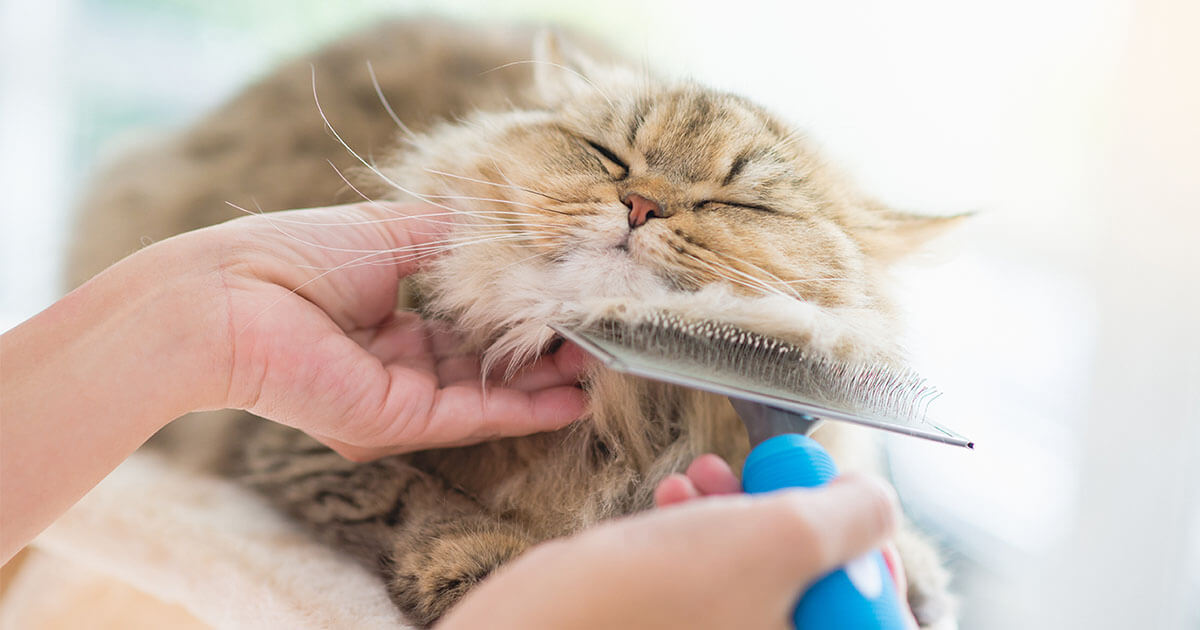
Regular Brushing
- Long-haired cats: Brush every day.
- Short-haired cats: Brush once or twice a week.
- Use a comb and a slicker brush for best results.
- Start grooming when your cat is a kitten to build good habits.
Bathing
Most cats do not need regular baths, but long-haired breeds or older cats may benefit from occasional bathing with a cat-safe shampoo. Always dry your cat completely to avoid mats.
Healthy Diet
A balanced diet supports healthy skin and fur. Cats with poor nutrition shed more and may have dry, brittle hair that mats easily.
Weight And Health Management
Obese or arthritic cats can’t groom themselves well. Regular vet checks and weight management make a big difference.
Trim Problem Areas
If your cat is prone to mats in certain spots—like behind the ears or under the legs—keep these areas trimmed short.
Check For Underlying Problems
Mats can be a sign of health issues. If your cat suddenly stops grooming or develops many mats, see your vet to rule out pain, obesity, dental disease, or other problems.
Credit: www.zoetispetcare.com
Common Mistakes Cat Owners Make
Even careful owners can make mistakes when trying to remove matted fur. Here’s what to avoid.
1. Using Human Hair Products
Some people use human detanglers or conditioners on their cats. These can be toxic if licked and aren’t formulated for cat skin.
2. Bathing Before Mat Removal
Water makes mats tighter and harder to remove. Always remove mats before bathing your cat.
3. Pulling Or Yanking
Pulling on mats hurts your cat and can tear the skin. Always hold the base of the mat and work gently.
4. Cutting Without A Barrier
Never cut a mat without something (like a comb) between the mat and your cat’s skin. Cat skin is thin and can be cut easily.
5. Waiting Too Long
Mats grow quickly. Check your cat’s coat often and remove tangles before they become a bigger problem.
Special Cases: Elderly, Overweight, And Disabled Cats
Older cats, overweight cats, and those with disabilities are at higher risk for mats because they can’t groom themselves well.
How To Help Special-needs Cats
- Brush more often—daily if possible.
- Use softer brushes to avoid hurting sensitive skin.
- Check for mats in hard-to-reach places: Back, hips, under the arms.
- Talk to your vet about pain management if your cat avoids grooming due to arthritis.
Non-obvious insight: Sometimes, cats stop grooming because they’re in pain from arthritis or dental disease. Treating the underlying problem can help prevent mats.
Tips For A Stress-free Grooming Experience
Grooming doesn’t have to be a battle. With a few smart strategies, you can make the process easier for you and your cat.
Short, Frequent Sessions
If your cat gets anxious, try brushing for just a few minutes each day instead of a long session once a week.
Use Positive Reinforcement
Give treats, petting, or playtime after grooming. This builds a good association with the process.
Work With Your Cat’s Personality
Some cats prefer to be groomed while sitting in your lap; others do better on a table. Try different spots and see what works.
Try Feliway Or Calming Sprays
Products like Feliway mimic cat pheromones and can reduce stress during grooming.
Ask For Help
If your cat is very squirmy, ask a friend or family member to gently hold your cat while you groom.
Myths About Matted Fur
Misinformation about cat grooming is common. Here are a few myths—and the truth.
Myth 1: Only Long-haired Cats Get Mats
Fact: Short-haired cats can get mats, especially if they are sick or overweight.
Myth 2: Mats Will Fall Out On Their Own
Fact: Mats rarely go away by themselves. They usually get worse.
Myth 3: Cats Hate All Grooming
Fact: Most cats can learn to enjoy gentle brushing, especially if you start young and use positive reinforcement.
Myth 4: Shaving Is Always Bad
Fact: Sometimes, shaving is the safest way to remove severe mats. Hair will grow back, and your cat will be more comfortable.
How Often Should You Check For Mats?
Regular checks keep mats from becoming a serious problem.
- Long-haired cats: Every day
- Short-haired cats: Once a week
- Older/disabled cats: Every day
Check common problem areas: behind the ears, under the chin, armpits, belly, and around the tail.
Should You Ever Shave Your Cat?
Shaving is sometimes necessary, but it’s not a first choice for most mats.
When Shaving Is Helpful
- Mats cover a large area or are close to the skin
- The cat is aggressive or very stressed by brushing
- Severe matting is causing skin infections
Professional groomers or veterinarians have the right equipment and training for shaving.
Risks Of Shaving
- Cat skin is thin and can be easily cut by clippers
- Cats can get cold after shaving
- Hairless skin is more exposed to sunburn and injury
Only shave as a last resort and always consult your vet or a professional groomer.
:strip_icc()/how-to-de-mat-a-cat-552043-01-3bcd9ef0901041f4b5dc04c4c36c9bd8.JPG)
Credit: www.thesprucepets.com
The Cost Of Professional Grooming
Professional grooming can be expensive, but for some cats, it’s worth it.
What To Expect
- Simple mat removal: $50–$80 per session
- Full shave-down: $100–$200, depending on location and severity
- Some vets may add charges for sedation or treatment of skin problems
Is It Worth It?
If your cat is difficult to handle or has severe mats, professional grooming is often safer and less stressful.
Products That Help Prevent Mats
Several products can make grooming easier:
- Detangling sprays: Break up knots and reduce friction
- Slicker brushes and mat rakes: Remove loose hair before it mats
- Cat wipes: Clean dirty fur and reduce matting risk
- Clippers: For trimming problem areas
Look for products made specifically for cats and avoid anything with strong perfumes or chemicals.
Why Early Detection Matters
The sooner you find a mat, the easier it is to remove. A small tangle can usually be worked out with your fingers and a comb. If you wait, it can become a painful, dangerous problem.
How To Spot Mats Early
- Run your hands over your cat’s body every day
- Feel for bumps or rough patches under the fur
- Look for changes in your cat’s grooming behavior
If you notice your cat spending less time grooming, or avoiding certain areas, check for mats and talk to your vet.
Frequently Asked Questions
What If My Cat Hates Being Brushed?
Some cats dislike brushing at first. Try different types of brushes, start with short sessions, and use treats. If your cat is very fearful, ask your vet about other options.
Is It Safe To Cut Out Mats With Scissors?
Cutting mats with scissors is risky because cat skin is thin and easy to cut. Only use scissors with a comb as a barrier and never point the blades toward the skin. For large or tight mats, see a professional.
Can I Use Human Hair Products On My Cat?
No. Human hair products often contain chemicals or fragrances that are not safe for cats. Always use products labeled for cat use.
How Do I Know If The Mat Is Causing Pain Or Infection?
If your cat flinches when you touch a mat, or if you see redness, swelling, or a bad smell, the area may be infected. Call your veterinarian right away.
Where Can I Find More Information About Cat Grooming?
You can find more information and advice on cat care from the ASPCA Cat Grooming Guide.
Final Thoughts
Removing matted fur from your cat is an important part of keeping your pet healthy and happy. Mats can happen to any cat, but with regular checks, gentle grooming, and the right tools, you can prevent serious problems. If mats do appear, approach removal with patience and care—never force the process.
When in doubt, don’t hesitate to call a professional groomer or your veterinarian. Your cat will thank you with a soft, comfortable, and beautiful coat.