

Are you struggling to train your dog and wondering if a choke collar could be the solution? You’ve probably heard mixed opinions about these collars—some say they work wonders, while others warn against them.
Before you make a decision that affects your furry friend’s wellbeing, it’s important to understand how choke collars really work and whether they are safe and effective for training. Keep reading to discover the truth behind choke collars and find out if they’re the right choice for you and your dog.
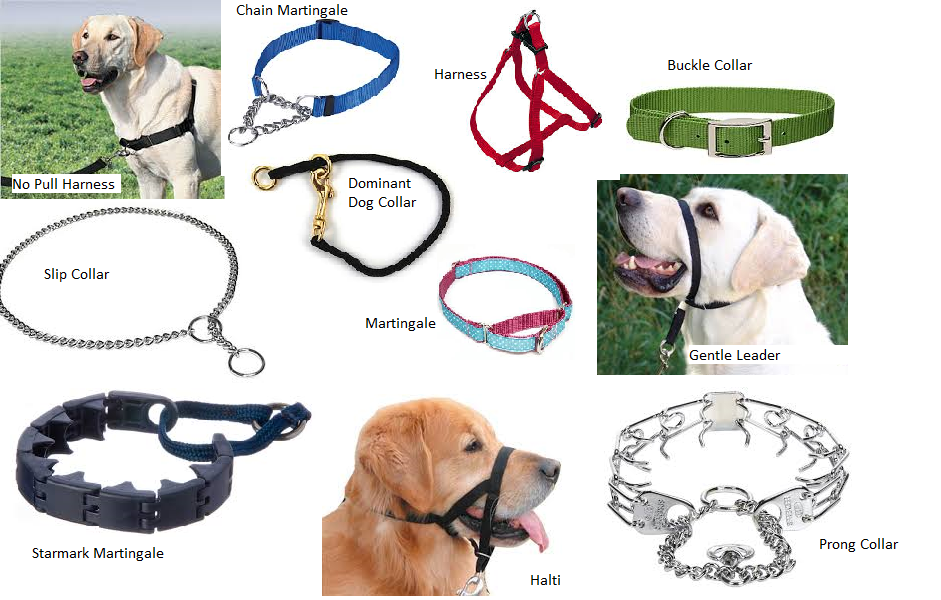
Credit: www.arloren.com
How Choke Collars Work
Understanding how choke collars work is important for dog owners. These collars are tools designed to help control dogs during training. They work by applying pressure around the dog’s neck. This pressure is meant to get the dog’s attention quickly.
Design And Mechanism
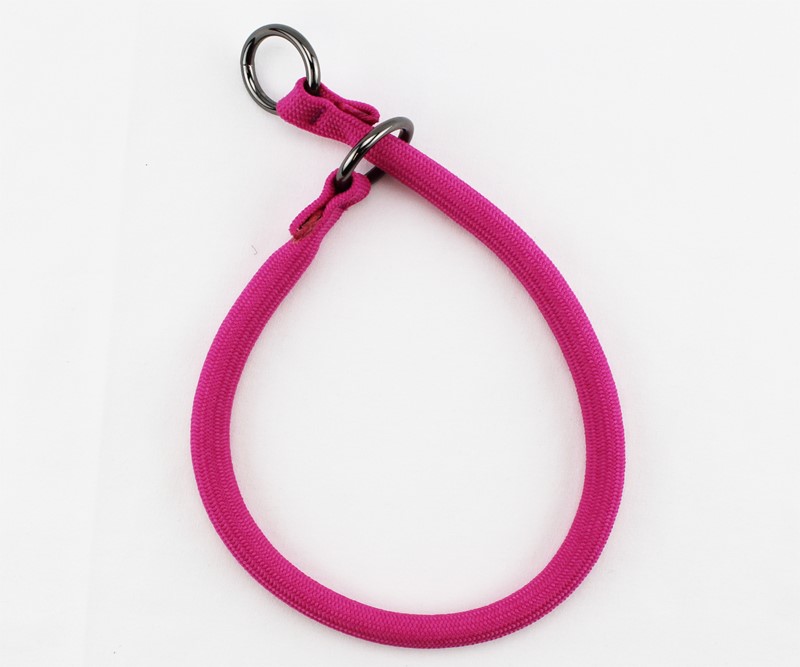
Choke collars are made from metal links or chains. They form a loop that tightens when the dog pulls on the leash. The collar fits loosely at first. When the dog pulls, the collar tightens instantly. This tightening creates a quick, sharp pressure on the neck. The pressure stops when the dog stops pulling. The mechanism works with the dog’s natural movement.
Intended Training Effects
The pressure from the choke collar aims to discourage pulling. It helps teach the dog to walk calmly. The quick tightening acts as a signal. The dog learns that pulling causes discomfort. The collar is not meant to cause pain but to correct behavior. It encourages the dog to pay attention to the handler. This training tool requires careful use to avoid harm.

Credit: www.ahna.net
Benefits Of Using Choke Collars
Choke collars offer certain benefits for dog training. They provide control and quick feedback to the dog. Many trainers find them useful for specific training needs. Understanding these benefits helps decide if they suit your dog’s training style.
Effective Control
Choke collars give strong control over the dog’s movements. They tighten around the neck when the dog pulls. This pressure helps stop pulling or unwanted behaviors fast. Trainers use this control to guide dogs safely during walks.
Quick Correction
The collar offers an instant signal to the dog. A brief pull applies pressure that the dog learns to avoid. This fast feedback helps the dog understand what is wrong quickly. It supports faster learning during training sessions.
Durability And Cost
Choke collars are made from sturdy materials like metal links. This makes them last longer than some other collars. They also cost less than many high-tech training tools. This durability and low cost make them budget-friendly for many owners.
Risks And Drawbacks
Choke collars might seem helpful for dog training. Yet, they carry risks and drawbacks. Understanding these risks helps owners make safer choices. Safety and well-being of dogs come first.
Physical Injuries
Choke collars can cause serious physical harm. They squeeze the dog’s neck tightly. This pressure may damage the windpipe or throat. Dogs may also suffer bruises or cuts. Long use can lead to lasting neck injuries.
Some dogs may choke or have trouble breathing. These injuries can cause pain and fear. Physical harm affects a dog’s overall health and happiness.
Behavioral Issues
Choke collars can increase anxiety in dogs. Dogs may associate pain with training. This may cause fear or aggression. Some dogs may become more nervous or shy. Training should build trust, not fear.
Fearful dogs may not learn well. They might avoid their owners or training. Behavioral problems can get worse instead of better.
Misuse And Overuse
Many problems come from incorrect use. Pulling too hard or holding the collar too long harms dogs. Some owners use choke collars too often. Overuse can cause constant discomfort and stress.
Proper knowledge and care are needed. Without guidance, misuse is common and dangerous. Training tools must be used with caution and respect.
Alternatives To Choke Collars
Choke collars often raise concerns about safety and comfort. Many dog owners seek safer, kinder options for training. Alternatives focus on positive methods and tools that respect a dog’s well-being. These choices help build trust and improve behavior without pain or fear.
Positive Reinforcement Tools
Positive reinforcement uses treats, praise, or toys to reward good behavior. It encourages dogs to repeat actions they enjoy. Clickers and treat pouches are popular tools. They help mark correct behavior clearly and quickly. This method strengthens the bond between owner and dog. Dogs learn to obey happily and without stress.
Harnesses And Head Collars
Harnesses spread pressure across the dog’s chest, not the neck. They prevent choking and reduce pulling. Head collars guide the dog’s head gently, making control easier. Both options are safer than choke collars. They work well for walks and training sessions. These tools help dogs feel more comfortable and calm.
Professional Training Methods
Professional trainers use techniques based on science and kindness. They customize training to fit each dog’s needs. Trainers focus on communication, not punishment. They teach owners how to guide dogs with patience. Sessions build lasting good habits and trust. Professional help ensures training is effective and safe.
Choosing The Right Training Approach
Choosing the right training approach is key to teaching your dog good behavior. Each dog is unique and needs a method that suits their personality and size. Training should be safe and effective to help your dog learn without stress. Understanding your dog’s needs and seeking advice from experts can guide you in selecting the best tools and techniques.
Assessing Your Dog’s Needs
Start by watching how your dog reacts to different situations. Some dogs respond well to gentle commands and praise. Others may need firmer guidance but still require kindness. Consider your dog’s age, breed, and health. These factors affect how they learn and handle training tools.
Consulting Experts
Talking to a professional trainer or vet can offer useful insights. Experts can suggest training methods that match your dog’s behavior and needs. They can explain the pros and cons of tools like choke collars. This helps you make informed choices that keep your dog safe.
Balancing Safety And Effectiveness
Training should never harm your dog. Choose tools that control behavior without causing pain. Observe how your dog reacts to the training aids. Stop using anything that causes fear or discomfort. A balanced approach helps your dog learn happily and confidently.
Credit: www.timberwolfpetproducts.com
Frequently Asked Questions
Are Choke Collars Safe For Dog Training?
Choke collars can cause injury if misused. Proper training and guidance are essential. Safer alternatives like harnesses often work better.
How Do Choke Collars Work On Dogs?
Choke collars tighten around the neck when the dog pulls. This creates discomfort, discouraging pulling behavior during walks.
Can Choke Collars Cause Harm To Dogs?
Yes, choke collars can cause throat injuries, breathing issues, or anxiety if used improperly. Supervision is crucial.
Are There Better Options Than Choke Collars?
Yes, positive reinforcement and harnesses are safer and more effective. They promote trust and reduce stress in dogs.
Conclusion
Choke collars can cause pain and injury if used wrong. Many trainers prefer gentle methods for better results. Dogs learn faster with kindness and patience. Training should build trust, not fear. Choose tools that keep your dog safe and happy.
Remember, good behavior comes from love and care. Think about your dog’s health before using harsh collars. Safe training helps dogs become calm and well-behaved. Your dog deserves a happy, stress-free life.