

Are you struggling to train your dog and wondering if a training collar might be the solution? You’re not alone.
Many dog owners ask the same question: Are dog training collars effective? The answer isn’t simple, but understanding how these collars work and what they can do for your dog could change the way you approach training. Keep reading, and you’ll discover important facts that could make a real difference in your dog’s behavior—and your peace of mind.
Types Of Dog Training Collars
Dog training collars come in different types. Each type works in a unique way to help train dogs. Understanding these types helps choose the right collar for your dog. The following sections explain common types of dog training collars.
Shock Collars
Shock collars deliver a mild electric pulse to the dog’s neck. The pulse acts as a correction for unwanted behavior. These collars often have adjustable levels of intensity. Proper use requires care to avoid hurting the dog. Some owners find them effective for tough training cases.
Vibration Collars
Vibration collars send a gentle buzz to the dog’s neck. The vibration grabs the dog’s attention without pain. These collars work well for sensitive or small dogs. They are often used as a warning before other corrections. Vibration collars offer a humane training option.
Spray Collars
Spray collars release a burst of citronella or air near the dog’s nose. The unpleasant smell or sensation stops bad behavior. These collars do not cause pain but create a distraction. They suit dogs that dislike strong scents. Spray collars provide a safe training method.
Electronic And Remote Collars
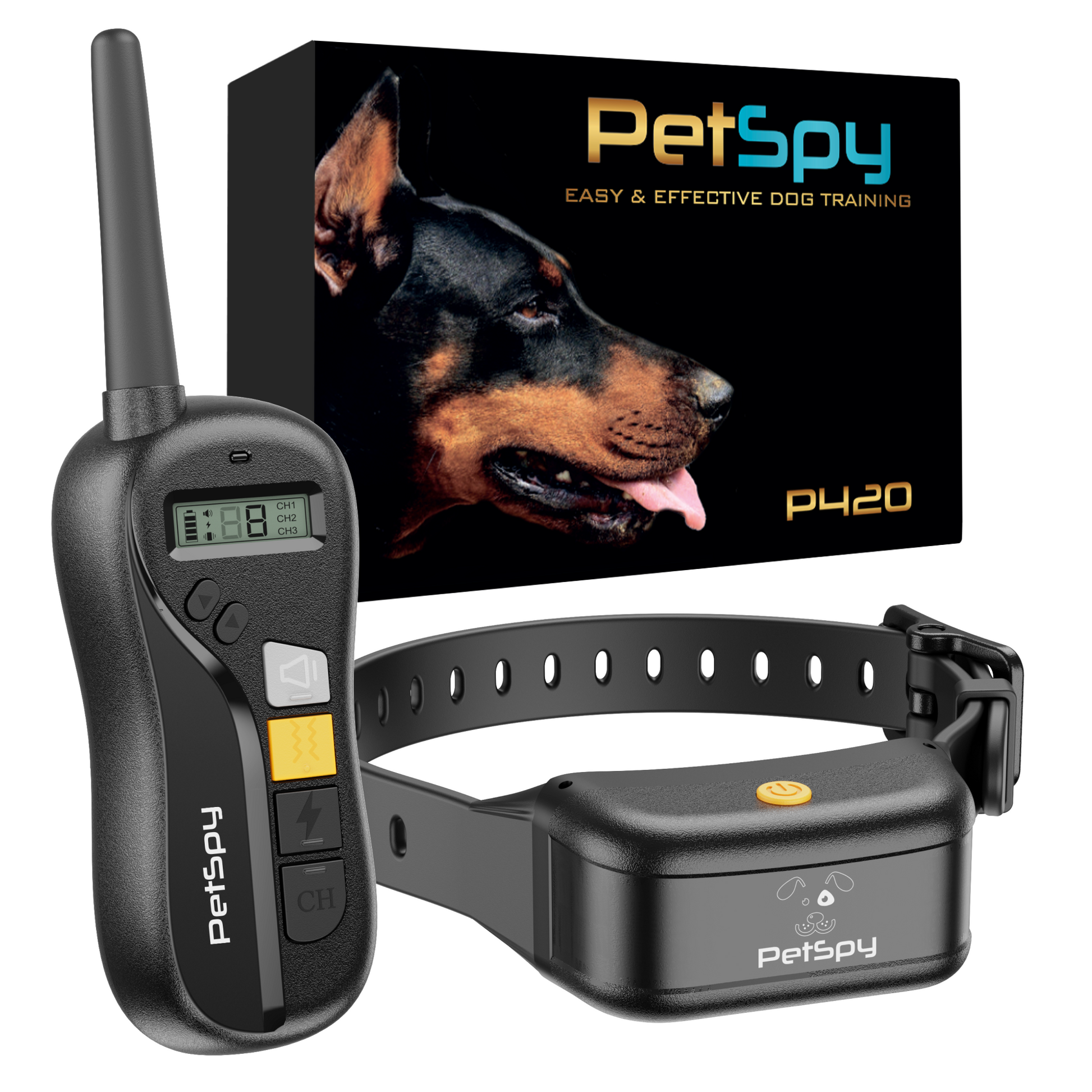
Electronic and remote collars allow owners to control corrections from a distance. They combine shock, vibration, or sound signals. These collars help train dogs without physical proximity. Remote control gives precise timing for corrections. They work well for outdoor training sessions.
How Training Collars Work
Training collars are tools used to guide a dog’s behavior. They work by sending signals to the dog. These signals help the dog learn what is right or wrong. Understanding how these collars work can help owners train their dogs better. The key lies in how dogs respond to these signals and the timing of the corrections or rewards.
Behavior Modification
Training collars aim to change a dog’s behavior. The collar sends a stimulus when the dog acts undesirably. This stimulus can be a vibration, sound, or mild static. The dog learns to connect this signal with the unwanted behavior. Over time, the dog avoids such actions to prevent the stimulus.
Timing And Consistency
Timing is very important in training. The collar’s signal must happen right after the behavior. This helps the dog understand which action caused the stimulus. Consistency also matters. Using the collar the same way every time teaches the dog faster. Without consistency, the dog may get confused.
Positive Vs Negative Reinforcement
Training collars use two types of reinforcement. Positive reinforcement rewards good behavior with praise or treats. Negative reinforcement removes an unpleasant stimulus when the dog behaves well. Some collars use negative stimulation to discourage bad behavior. The best training combines both for effective learning.
Benefits Of Using Training Collars
Training collars can help improve how dogs learn and behave. They offer clear signals that dogs understand. This makes training faster and easier for both dogs and owners.
Using these collars properly supports better communication. Dogs get consistent feedback and can learn rules more quickly. Training collars also help keep dogs safe during walks and activities.
Improved Obedience
Training collars give clear signals that help dogs follow commands. They teach dogs to respond to commands like sit, stay, and come. This leads to better behavior at home and outside. Dogs learn faster because the collar gives immediate feedback.
Safety And Control
These collars allow owners to keep better control over their dogs. They help prevent dogs from running into dangerous places. Owners can stop unwanted behaviors before they get worse. This control keeps dogs and people safer during walks.
Quick Correction
Training collars provide instant feedback for unwanted actions. Dogs learn what is wrong right away. This quick correction helps stop bad habits early. It makes training more effective and less frustrating for owners.
Risks And Concerns
Dog training collars can help some dogs learn commands fast. Yet, these tools also come with risks. Understanding these risks helps owners make smart choices. Training collars must be used carefully to avoid harm.
Potential For Misuse
Training collars can cause problems if used wrong. Some owners may use too much force or shock. This can make dogs scared or confused. Lack of proper training on collar use leads to mistakes. Misuse often causes more behavior problems than it solves.
Stress And Anxiety In Dogs
Many dogs feel stress with training collars. Sudden shocks or vibrations can startle dogs. This stress can make dogs anxious or fearful. Anxious dogs may stop listening or act aggressively. Stress harms a dog’s well-being and training progress.
Physical Harm Possibilities
Collars that shock or pinch can hurt dogs physically. Skin burns, bruises, and muscle pain can occur. Long use of tight collars may cause damage to the neck. Puppies and small breeds are at higher risk. Physical harm can lead to long-term health issues.
Tips For Effective Collar Training
Using a dog training collar can help guide your pet’s behavior. Success depends on how you use the collar. Simple tips make training safer and more effective. Focus on choosing, fitting, and combining methods for best results.
Choosing The Right Collar
Select a collar that fits your dog’s size and temperament. Avoid collars that are too harsh or weak. Some collars work better for small dogs, others for large breeds. Research different types to find the best match.
Proper Fit And Adjustment
The collar must fit snugly but not too tight. Check that you can fit two fingers under the collar. Adjust the collar as your dog grows or gains weight. A loose collar can slip off or cause injury.
Starting With Basic Commands
Begin training with simple commands like “sit” and “stay.” Use the collar to reinforce these commands gently. Short sessions work best to keep your dog’s attention. Practice daily to build good habits quickly.
Combining With Positive Reinforcement
Use treats and praise alongside the collar’s signals. This helps your dog associate the collar with good things. Positive feedback encourages faster learning and better behavior. Avoid punishment to keep training stress-free.

Credit: www.amazon.com
Alternatives To Training Collars
Training collars are common tools for dog training. Yet, many owners seek gentle and effective options. Alternatives focus on comfort and positive learning. These methods help build trust and improve behavior without harshness.
Harnesses And Head Collars
Harnesses wrap around the dog’s body, reducing neck strain. They give control without pulling on sensitive areas. Head collars fit around the nose and head. They guide dogs gently, making walks easier. Both tools help with leash training safely.
Clicker Training
Clicker training uses a small device that makes a sound. The click marks good behavior instantly. Dogs learn to link the click with rewards. This method trains dogs calmly and clearly. It works well for teaching new commands or tricks.
Reward-based Methods
Reward-based training uses treats, praise, or toys. Positive reinforcement encourages dogs to repeat good behavior. It avoids punishment and stress. This approach strengthens the bond between dog and owner. Dogs stay motivated and happy to learn.
When To Consult A Professional
Deciding to consult a professional dog trainer can be key to successful training. Some situations need expert help to ensure safety and progress. Knowing when to seek advice saves time and avoids frustration. Professionals can offer guidance tailored to your dog’s needs.
Behavioral Issues
Serious behavioral problems need professional attention. Aggression, biting, or fear are signs to get help. A trainer understands how to handle tough behaviors safely. Without help, issues can worsen or cause harm.
Training Challenges
Training can be hard and slow. Stubborn dogs or unclear commands cause problems. Professionals use proven methods to improve learning. They show owners clear steps to follow. This makes training easier and faster.
Customized Training Plans
Every dog is unique. A one-size-fits-all approach may not work. Trainers create plans based on your dog’s age, breed, and personality. Custom plans address specific goals and problems. This leads to better results and happier dogs.

Credit: www.amazon.com
Credit: petspy.com
Frequently Asked Questions
Are Dog Training Collars Safe For All Breeds?
Dog training collars are generally safe when used correctly. However, some breeds with sensitive skin or respiratory issues may need special collars or supervision to avoid harm.
How Effective Are Dog Training Collars For Behavior Correction?
Training collars can be effective for correcting behaviors like excessive barking or pulling. Consistent, humane use combined with positive reinforcement yields the best results.
Can Training Collars Replace Professional Dog Training?
Training collars support professional training but shouldn’t replace it. Trainers provide guidance, socialization, and personalized techniques that collars alone can’t offer.
What Types Of Dog Training Collars Exist?
Common types include shock, vibration, spray, and ultrasonic collars. Each type suits different training needs and dog sensitivities, offering various correction methods.
Conclusion
Dog training collars can help improve your pet’s behavior. They work best when used with patience and care. Not every collar suits every dog or owner. Always choose a collar that matches your dog’s size and temperament. Training takes time, and consistency is key.
Remember, positive reinforcement often leads to better results. Watch your dog closely for any signs of discomfort. Safe and kind training helps build trust between you and your dog. Use collars as a tool, not a punishment. Your dog’s well-being should always come first.