

Are you struggling with potty training your puppy or toddler? You might be wondering if pee pads are helping or hurting the process.
It’s tempting to use pee pads for convenience, but could they actually make potty training harder? Understanding the truth about pee pads can save you time, frustration, and stress. Keep reading to find out how pee pads might be affecting your training efforts and what you can do to get better results fast.
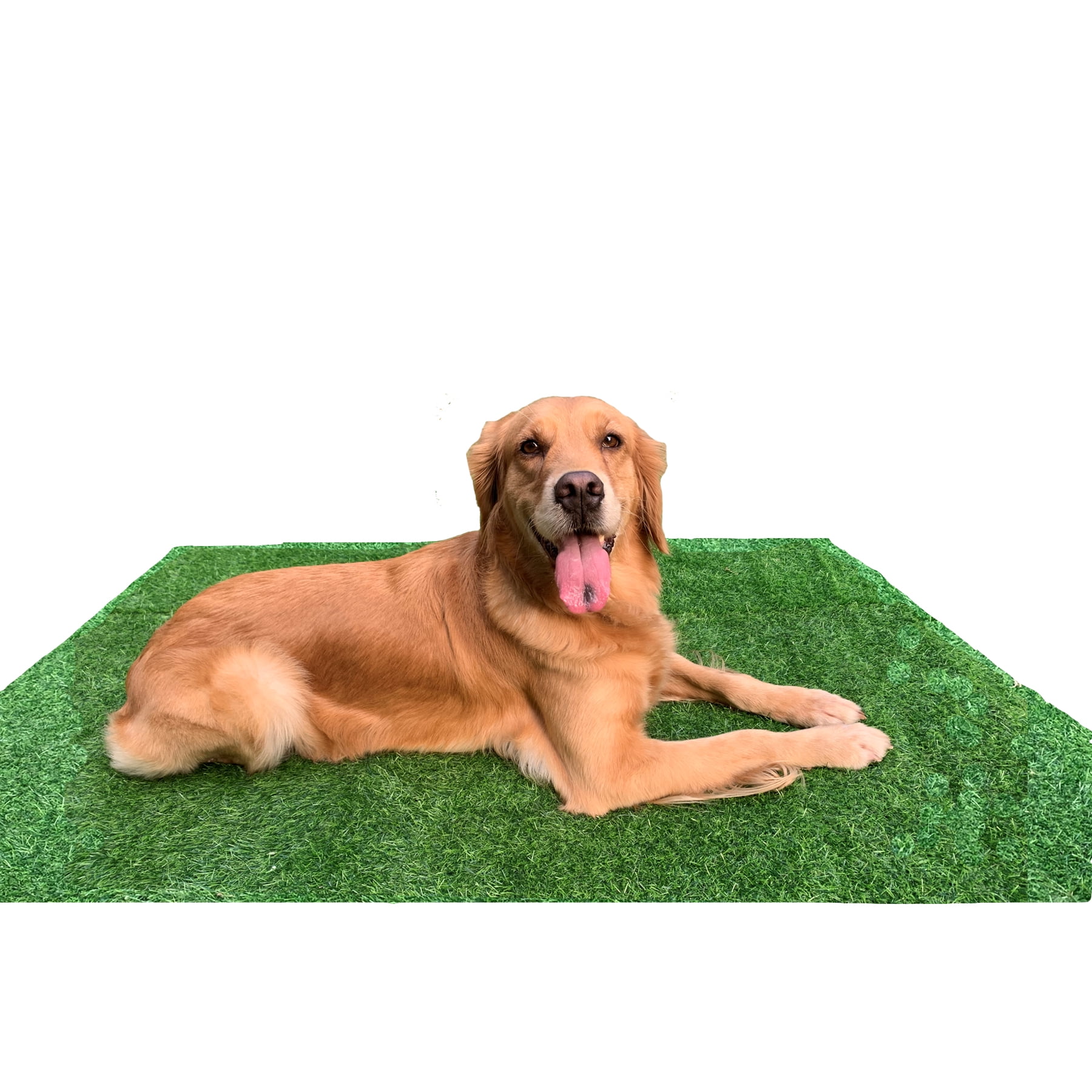
Credit: www.liftingitalia.com
How Pee Pads Work
Pee pads are common tools for potty training pets or young children. They offer a simple way to manage accidents indoors. Understanding how these pads work can help you decide if they suit your training needs.
Materials And Absorption
Pee pads have several layers. The top layer is soft and lets liquid pass through quickly. Underneath, a special absorbent core traps urine. This core keeps the surface dry and prevents leaks. Some pads also have a waterproof bottom layer. It stops liquid from soaking through to floors.
Placement And Usage
Place pee pads in an easy-to-find spot for your pet or child. Consistent placement helps build a routine. Use enough pads to cover the area, especially at first. Change the pads often to keep the area clean. This encourages proper use and prevents bad smells.

Credit: www.airbeam.it
Pros Of Using Pee Pads
Pee pads have both supporters and critics in the world of potty training. Despite some concerns, they offer clear benefits. These benefits help many pet owners manage training with less stress. Understanding the pros can help decide if pee pads fit your situation.
Convenience For Busy Owners
Pee pads offer a simple solution for owners with tight schedules. They reduce the need for constant outdoor trips. This saves time and effort, especially in bad weather. Cleaning becomes easier because the pads absorb messes quickly. This convenience suits busy lifestyles well.
Indoor Training Benefits
Pee pads allow puppies to start potty training indoors. This suits homes without easy outdoor access. Puppies learn a specific spot to relieve themselves. This helps establish early bathroom habits. It also lowers accidents on floors during training.
Protecting Floors And Furniture
Pee pads shield floors and furniture from stains and damage. They prevent urine from soaking into carpets or wood. This protection reduces cleaning costs and home repairs. Pads keep your living space cleaner and fresher. They provide a safe area for pets to go.
Cons Of Pee Pads In Potty Training
Pee pads seem helpful for potty training dogs. They offer a spot for dogs to relieve themselves indoors. Yet, they come with drawbacks that can slow training progress. Understanding these cons helps decide the best training path for your dog.
Confusing Signals For Dogs
Pee pads can confuse dogs about where to go. Dogs may think indoors is okay for bathroom needs. This confusion makes it hard to teach outdoor potty habits. Dogs mix signals between pads and grass.
Delaying Outdoor Training
Using pee pads often delays teaching dogs to go outside. Dogs get used to the pads and resist outdoor training. The habit of indoor relief sticks longer. Training takes more time and patience to shift habits.
Potential Hygiene Issues
Pee pads can cause hygiene problems if not cleaned well. Pads may leak or smell, attracting germs and bugs. Dogs may step in urine and spread mess around. Keeping areas clean requires constant attention with pads.
Impact On Long-term Behavior
The impact of pee pads on a dog’s long-term potty habits is important to consider. Pee pads can influence how dogs learn about where to eliminate. This can affect their behavior for months or even years. Understanding these effects helps in choosing the right potty training method.
Risk Of Indoor Elimination Habits
Using pee pads may teach dogs that indoor elimination is acceptable. Dogs might confuse the pad for a permanent bathroom spot. This can lead to accidents outside the pad area. Some dogs may refuse to go outdoors to potty. This habit can be hard to change later.
Challenges In Transitioning Outdoors
Moving a dog from pee pads to outdoor potty spots can be tough. Dogs may not understand they need to go outside. They might avoid the outdoor area altogether. This causes delays in full potty training. Extra patience and training are often needed to help the dog adjust.
Alternatives To Pee Pads
Pee pads can be convenient but may cause confusion during potty training. Many pet owners seek better ways to teach their dogs where to go. Alternatives to pee pads focus on clear signals and consistent habits. These methods help pets understand the right place for bathroom breaks. Here are some effective techniques to consider.
Outdoor Training Techniques
Taking your dog outside regularly helps them learn the right spot. Choose a specific area in your yard for bathroom breaks. Visit this spot often, especially after meals and naps. Praise your dog when they go outside. This builds a strong habit and clears confusion.
Using Crate Training
Crate training uses a small, safe space for your dog. Dogs avoid soiling their sleeping area naturally. Keep your dog in the crate for short times. Let them out to go potty frequently. This method teaches control and helps your dog hold it longer.
Employing Positive Reinforcement
Praise and treats encourage good potty behavior. Reward your dog immediately after they go in the right place. Use a happy tone and give a small treat. This makes your dog want to repeat the behavior. Positive reinforcement creates a clear link between actions and rewards.

Credit: www.liftingitalia.com
Tips For Effective Potty Training
Potty training can be a challenging time for parents and toddlers. Success depends on simple habits and clear steps. Using the right tips can make the process easier and faster.
Focus on building good habits that help your child learn. Patience and care are key to avoid stress for both of you. Below are important tips to guide you through effective potty training.
Consistency And Routine
Keep the potty training schedule steady every day. Take your child to the potty at regular times. This helps them understand when to go. Try to stick to the same routine, even on weekends. Consistency builds trust and makes learning easier.
Recognizing Signs And Timing
Watch your child for signs they need to use the potty. Look for squirming, holding the crotch, or sudden quietness. These clues show readiness for potty training. Start training when your child shows interest and control. Timing is important for smooth progress.
Reward Systems
Use simple rewards to encourage your child’s efforts. Praise, stickers, or small treats work well. Celebrate every success, no matter how small. Rewards motivate your child to keep trying. Avoid punishments to keep potty training positive.
Frequently Asked Questions
Are Pee Pads Harmful For Potty Training Toddlers?
Pee pads can confuse toddlers by encouraging indoor potty habits. They may delay learning proper toilet use. Consistent training on the toilet is more effective for faster potty success.
How Do Pee Pads Affect Potty Training Success?
Pee pads can reduce potty training success by creating mixed signals. Kids might rely on pads instead of using the toilet. Gradual transition from pads to the toilet improves training outcomes.
Can Pee Pads Cause Bad Bathroom Habits?
Yes, pee pads may cause bad habits like indoor urination. They can hinder understanding of bathroom boundaries. Proper guidance and limiting pad use help form good habits.
Are Pee Pads Useful During Potty Training?
Pee pads offer convenience for accidents and travel. However, overuse can slow toilet learning. Use pads sparingly and focus on toilet rewards for best results.
Conclusion
Pee pads can help some children learn potty habits. They offer a soft, safe spot for accidents. Still, relying on them too long may slow real toilet training. Using pads as a step, not a final goal, works best. Watch your child’s progress and adjust as needed.
Every child learns differently and at their own pace. Patience and consistency remain key to success. Choose what feels right for your family and child. Keep trying, and soon your child will use the toilet confidently.