

Are you struggling to train your dog and wondering if shock collars could be the answer? You’re not alone.
Many dog owners face challenges when teaching their pets good behavior. But before you decide to use a shock collar, it’s important to understand how it works and whether it’s truly effective and safe for your furry friend. This article will guide you through everything you need to know, helping you make the best choice for your dog’s training and well-being.
Keep reading to discover the truth about shock collars and find out if they are really a good option for your dog.
Credit: outwardhound.com
How Shock Collars Work
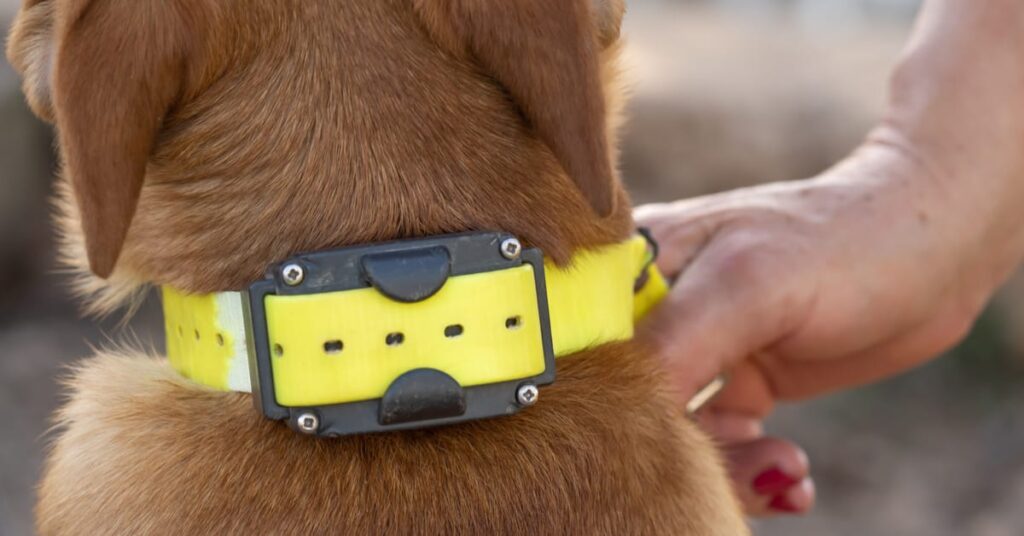
Shock collars are a tool used in dog training. They deliver a small electric pulse to the dog’s neck. This pulse aims to get the dog’s attention or stop unwanted behavior. Understanding how these collars work helps in deciding if they suit your training needs.
Types Of Shock Collars
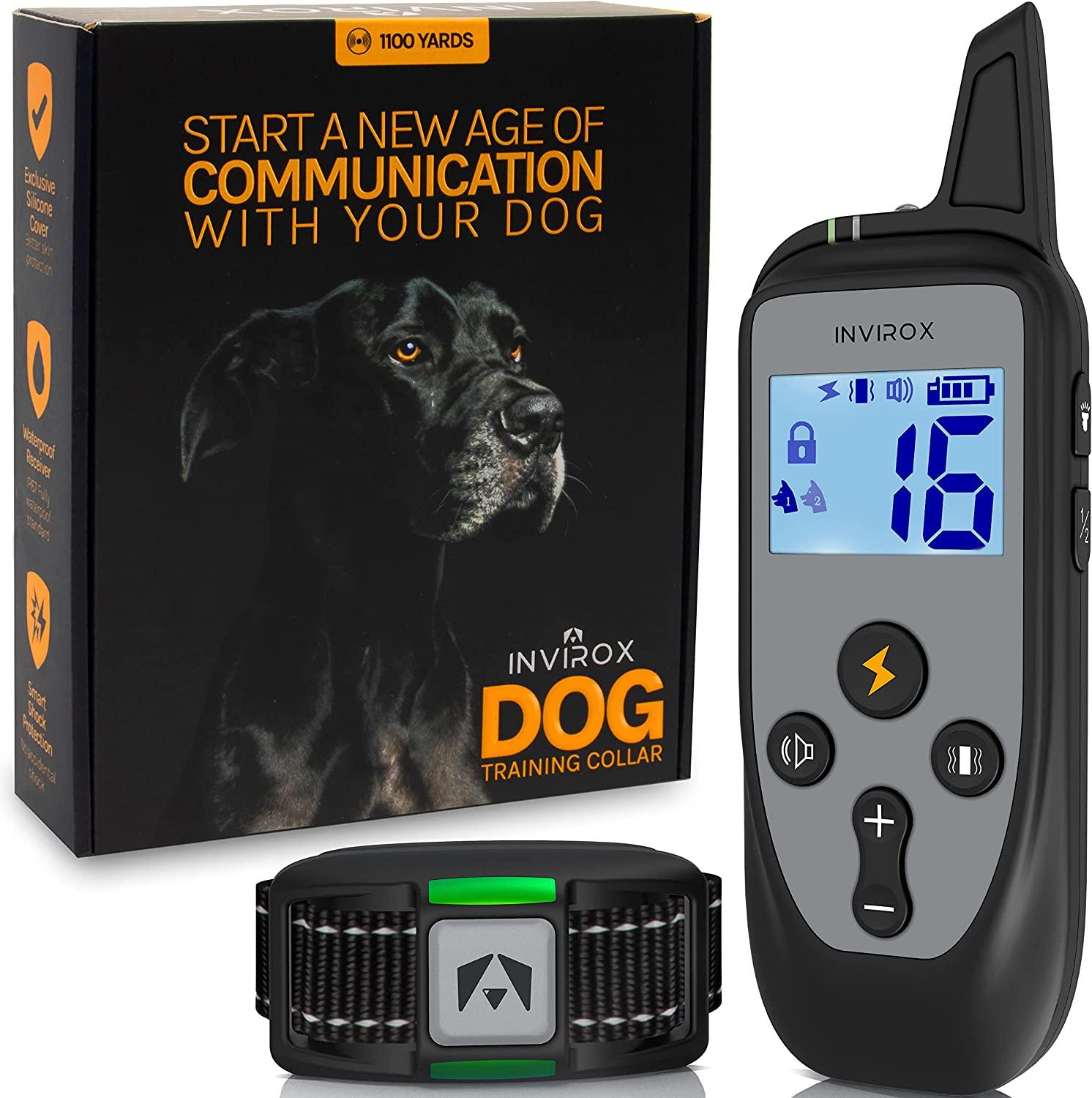
There are different shock collars available. Some use a remote control to send signals. Others react automatically to barking. The intensity of the shock can vary. Some collars offer vibrations or sounds as alternatives. Each type works in a unique way to train dogs.
Mechanism Of Action
The collar sends a mild electric shock through metal contacts. This shock causes a quick, sharp sensation on the dog’s skin. It is not meant to hurt but to interrupt behavior. The dog learns to associate the shock with certain actions. Over time, the dog may stop the unwanted behavior to avoid the shock.
Benefits Of Shock Collars
Shock collars offer several benefits for dog training. They help address unwanted behavior quickly and clearly. Used properly, they can improve communication between you and your dog. This tool supports consistent training and faster learning.
Understanding these benefits helps owners decide if a shock collar fits their training style.
Effective Behavior Correction
Shock collars provide immediate feedback to dogs. This helps them link the correction to their action. They discourage bad habits like barking or running off. The clear signal guides dogs to behave better. It reduces confusion during training sessions.
Quick Response Time
Shock collars deliver instant signals. This speed ensures dogs react right away. Fast correction stops unwanted behavior from continuing. It saves time compared to other methods. Dogs learn faster with timely feedback.
Risks And Drawbacks
Shock collars may seem like a quick fix for dog training. Yet, they carry certain risks and drawbacks. Understanding these risks helps you choose the best training method for your dog. Safety and wellbeing should always come first.
Physical And Psychological Harm
Shock collars can cause physical pain to dogs. The electric pulses may lead to burns or skin irritation. Dogs can also develop stress and anxiety from repeated shocks. These collars can make dogs fearful or aggressive. Such harm affects a dog’s overall health and happiness.
Potential For Misuse
Many people do not know how to use shock collars correctly. Incorrect use can cause more harm than good. Overusing or using high settings can hurt dogs badly. Some owners may rely too much on the collar and skip proper training. This misuse can worsen behavior instead of fixing it.
Alternatives To Shock Collars
Shock collars often cause fear and pain in dogs. Many trainers and owners seek kinder, more effective methods. Alternatives to shock collars focus on respect, trust, and clear communication with your dog. These methods build a strong bond without harm. Here are some popular, humane training options.
Positive Reinforcement Training
Positive reinforcement rewards good behavior with treats, praise, or play. Dogs learn to repeat actions that bring rewards. This method creates happy, willing learners. It helps dogs understand what you want calmly. Consistency and patience are key for success.
Clicker Training
Clicker training uses a small device that makes a clicking sound. The click marks the exact moment the dog does something right. After the click, the dog gets a reward. This clear signal helps dogs learn faster. It’s gentle and fun for both dog and owner.
Other Humane Tools
Tools like harnesses, head collars, and gentle leaders guide dogs without pain. These tools help control pulling or unwanted behaviors safely. They work well combined with positive reinforcement. Choosing the right tool depends on your dog’s size and needs.
Expert Opinions And Research
Experts and research provide important insights into the use of shock collars for dog training. These opinions help pet owners make informed choices about training tools. Understanding different viewpoints shows the benefits and risks involved.
Veterinarians’ Views
Many veterinarians express concern about shock collars. They warn these devices may cause fear and anxiety in dogs. Some vets say shock collars can harm the bond between owner and pet. Others believe gentle training methods are safer and more effective. Several professionals recommend positive reinforcement instead of punishment-based tools.
Scientific Studies
Scientific research shows mixed results on shock collar use. Some studies find shock collars reduce unwanted behavior quickly. But others highlight increased stress and aggression in dogs using them. Research suggests dogs feel confusion and fear from electric shocks. Experts often advise careful use or avoiding shock collars altogether. Studies support training methods that reward good behavior without pain.
Legal And Ethical Considerations
Training dogs with shock collars raises important legal and ethical questions. Owners must understand laws and animal rights before using these devices. The impact on dogs’ well-being is central to this debate. This section explores key rules and concerns surrounding shock collar use.
Regulations On Shock Collar Use
Many countries set rules about shock collars. Some ban them completely. Others allow use under strict conditions. These laws aim to protect animals from harm. Owners should check local regulations before buying or using a shock collar. Ignoring laws can lead to fines or legal trouble.
Animal Welfare Concerns
Shock collars can cause physical pain and stress to dogs. This raises ethical questions about their use. Many experts argue these collars harm animals mentally and physically. Positive training methods often work better and avoid pain. Respecting a dog’s well-being should guide training choices.
Tips For Safe Training
Training dogs with shock collars requires care and attention. Safety must be your top priority. You need to understand how to use these devices correctly. This section shares simple tips for safe training. Follow these to protect your dog’s well-being and build trust.
Proper Use Guidelines
Always read the collar’s manual before use. Start with the lowest shock setting. Use the collar only as a last resort during training. Avoid constant or long shocks. Use the collar for short periods. Make sure the collar fits well but is not too tight. Remove the collar after training sessions. Combine collar use with positive rewards like treats. Never use the collar to punish your dog harshly. Training should be calm and consistent.
Signs Of Distress In Dogs
Watch your dog closely during training. Look for signs of stress or pain. Whining, yelping, or trembling are red flags. Scratching or biting at the collar means discomfort. Avoid training if your dog shows fear or aggression. A stressed dog may hide or refuse to follow commands. Stop using the collar immediately if distress appears. Consult a vet or trainer for advice. Your dog’s safety and comfort matter most.
Credit: www.esseg.eu

Credit: www.chaostocalmk9training.com
Frequently Asked Questions
Are Shock Collars Safe For Dog Training?
Shock collars can cause stress and fear in dogs if misused. Proper guidance and moderation are essential to avoid harm. Many trainers recommend positive reinforcement over shocks for safer, effective training.
How Effective Are Shock Collars Compared To Other Methods?
Shock collars may yield quick results but can damage trust. Positive reinforcement fosters long-term good behavior and a stronger bond. Effectiveness depends on the dog’s temperament and trainer’s skill.
Can Shock Collars Cause Behavioral Problems In Dogs?
Yes, shock collars can lead to anxiety, aggression, or fear. Dogs might associate pain with people or situations, worsening behavior. Use with caution and under professional supervision to minimize risks.
What Are Humane Alternatives To Shock Collars?
Reward-based training, clicker training, and verbal commands are effective alternatives. These methods promote learning without causing pain or fear. They help build a positive relationship between you and your dog.
Conclusion
Shock collars can help train some dogs, but they are not for all. They may cause fear or pain if used wrong. Positive methods often work better and keep dogs happy. Think about your dog’s needs and personality first. Training should build trust, not fear.
Choose tools and methods that help your dog learn safely. Remember, patient and kind training creates the best results. Your dog deserves care and respect every step of the way.