

Are training collars bad for dogs? If you’ve ever wondered this, you’re not alone.
You want the best for your furry friend, and choosing the right training method is a big part of that. But with so many opinions out there, it’s easy to feel confused or even worried about using training collars. You’ll discover the truth behind these tools, how they really affect your dog, and what you need to know before making a decision.
Keep reading to find out how to keep your dog safe, happy, and well-behaved without risking their well-being.
Types Of Training Collars
Training collars come in different types. Each type works in a unique way. Choosing the right collar depends on your dog’s behavior and needs. Knowing the differences helps make better choices. Below are common types of training collars used by many dog owners.
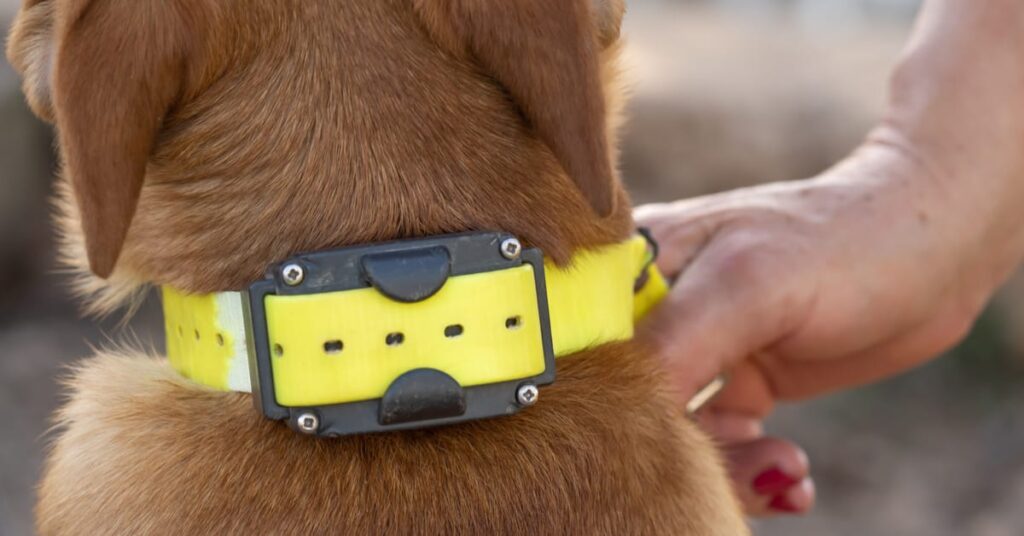
Shock Collars
Shock collars give a small electric pulse to the dog. The pulse is meant to get the dog’s attention. Some use them to stop bad behavior quickly. These collars can cause fear or pain if not used properly. Many trainers advise caution or avoid them altogether.
Prong Collars
Prong collars have metal links with small prongs inside. The prongs press into the dog’s neck when it pulls. This pressure is supposed to stop pulling or bad habits. Prong collars need careful fitting to avoid injury. They require responsible use and training knowledge.
Martingale Collars
Martingale collars tighten slightly when a dog pulls. They prevent the dog from slipping out of the collar. These collars are gentle and used for training or walking. They do not cause pain but offer control. Many trainers recommend them for sensitive or escape-prone dogs.
Flat And Harness Collars
Flat collars are simple and fit around the neck loosely. They hold ID tags and attach to leashes. Flat collars do not tighten or cause pain. Harnesses fit around the dog’s body, not the neck. They distribute pressure evenly and reduce strain. Both are popular for everyday use and gentle training.

Credit: www.chaostocalmk9training.com
How Training Collars Work
Training collars are tools used to guide a dog’s behavior. They deliver signals to the dog to encourage or discourage certain actions. Understanding how these collars work helps owners decide if they fit their training style.
Mechanism Of Action
Training collars work by sending a physical or sensory cue to the dog. Some collars use vibrations, sounds, or mild static pulses. The dog feels or hears the signal during unwanted behavior. This signal interrupts the behavior and grabs the dog’s attention.
The intensity of the signal can often be adjusted. This allows owners to choose a level that is safe and effective. Timing of the signal is important to connect it with the action. Proper timing helps the dog learn faster.
Behavioral Impact
The signal from the collar acts as a deterrent. Dogs learn to avoid the unwanted behavior to prevent the signal. Over time, dogs associate the signal with their actions. This helps shape better behavior patterns.
Training collars can also help reinforce commands. The signal acts like a reminder or prompt. It encourages dogs to focus and obey commands. Positive results depend on consistent and fair use.
Common Concerns And Risks
Training collars can bring worry for many dog owners. Some believe these tools might harm dogs. It is important to know the common concerns and risks. Understanding these risks helps owners make safe choices for their pets.
Physical Injuries
Training collars can cause physical injuries to dogs. Collars that are too tight may hurt the neck. Some collars deliver shocks or vibrations, which can cause pain. Dogs with sensitive skin might get sores or cuts. Sudden jerks from collars can injure the spine or throat. Injuries may lead to long-term health problems.
Emotional Stress
Training collars can create fear and stress in dogs. The shock or pressure may cause anxiety. Dogs might feel scared of their owners or training sessions. Stress can lead to behavior problems like aggression or withdrawal. Emotional harm can affect a dog’s trust and happiness.
Misuse And Overuse
Many problems come from misuse or overuse of training collars. Using the collar too often can confuse dogs. Owners may use collars as punishment instead of training tools. Incorrect use can increase dog anxiety and worsen behavior. Proper guidance and moderation are key for safe use.
Benefits Of Proper Use
Training collars have a mixed reputation. Used correctly, they help improve dog behavior safely and efficiently. Proper use means understanding the collar’s function and limits. It avoids harm and builds trust between dog and owner. The benefits of using training collars properly can be clear and helpful.
Effective Behavior Correction
Training collars provide clear signals to dogs. These signals help dogs learn which behaviors are unwanted. The collar’s feedback is immediate, helping dogs connect actions with consequences. This quick learning speeds up training sessions. It supports consistent behavior correction, reducing confusion for the dog. Proper use avoids harsh punishment and focuses on guidance.
Safety In Training
Using a training collar safely protects the dog’s well-being. Correct fitting prevents injury or discomfort. Using the collar only for short periods avoids stress. Owners who learn the right techniques prevent misuse. Safe use means the collar is a helpful tool, not a source of pain. It supports positive training experiences and stronger bonds.
Alternatives To Training Collars
Training collars often raise concerns about safety and comfort for dogs. Many dog owners seek gentle and effective alternatives. These alternatives focus on kindness and clear communication. They help build trust and good behavior without causing pain or fear. Below are some popular options that work well for training dogs.
Positive Reinforcement Techniques
Positive reinforcement means rewarding good behavior. Treats, praise, or toys encourage dogs to repeat actions. This method creates a happy learning environment. Dogs learn faster when they feel safe and loved. It strengthens the bond between dogs and owners.
Clicker Training
Clicker training uses a small device that makes a clicking sound. The click marks the exact moment a dog does something right. Then, the dog receives a reward. This clear signal helps dogs understand what is expected. The method is gentle and effective for many dogs.
Use Of Harnesses
Harnesses provide control without hurting the dog’s neck. They spread pressure evenly across the body. This reduces the risk of injury or discomfort. Many harnesses come with front clips to stop pulling. They are a safer choice for walking and training.

Credit: buynobaddogs.com
Expert Opinions And Studies
Experts and studies provide valuable insight into the use of training collars for dogs. Their opinions help dog owners make informed choices. Research focuses on how collars affect dogs’ behavior and wellbeing.
Veterinary Perspectives
Many veterinarians express concern about training collars. Some types can cause pain or injury if used incorrectly. Physical harm can include neck damage and skin irritation. Stress and fear are common side effects in dogs. Vets often recommend safer, positive training methods. They stress the importance of understanding a dog’s needs.
Behaviorist Recommendations
Animal behaviorists usually prefer reward-based training over collars. They find positive reinforcement builds trust and good habits. Studies show dogs learn faster with praise and treats. Behaviorists warn that aversive collars can increase anxiety. They suggest collars only as a last option. Training should focus on communication, not punishment.
Choosing The Right Collar For Your Dog
Choosing the right collar for your dog is important for their safety and comfort. The collar you pick should suit your dog’s size, behavior, and training needs. A proper collar helps with control without causing pain or stress. Understanding your dog’s unique needs guides you to the best choice.
Assessing Your Dog’s Needs
Consider your dog’s size and breed. Small dogs need lighter collars, while large dogs need stronger ones. Think about your dog’s behavior. Calm dogs may do well with a simple flat collar. Dogs that pull or are hard to train might need special collars. Check if your dog has any skin problems or sensitivities.
Training goals matter too. For basic control, a flat or martingale collar works well. For more advanced training, some trainers use training collars carefully. Always prioritize your dog’s comfort and well-being.
Fitting And Usage Tips
Fit the collar so it is snug but not tight. You should fit two fingers between the collar and your dog’s neck. Avoid collars that pinch or cause discomfort. Regularly check the fit, especially for growing puppies.
Use the collar only as intended. Do not leave training collars on your dog all day. Remove the collar during rest or playtime. Monitor your dog’s reaction to the collar closely. Replace any collar that shows signs of wear or damage.
Credit: outwardhound.com
Frequently Asked Questions
Are Training Collars Harmful To Dogs’ Health?
Training collars can cause harm if misused. Proper use and supervision reduce risks. Choose gentle collars for safe training.
Do Training Collars Cause Behavioral Problems In Dogs?
Improper use may lead to fear or aggression. Positive reinforcement combined with collars ensures better behavior outcomes.
Are There Safer Alternatives To Training Collars?
Yes, positive reinforcement, clicker training, and harnesses are safer options. They encourage learning without discomfort or fear.
How Do Training Collars Affect A Dog’s Emotional Well-being?
Harsh collars can cause stress and anxiety. Gentle training methods promote trust and a positive bond with your dog.
Conclusion
Training collars can have risks if used incorrectly. Dogs need gentle, kind guidance to learn well. Many dogs respond better to positive rewards and patience. Owners should choose tools that keep dogs safe and happy. Always watch your dog’s reaction to any collar.
Learning takes time and care, not force. The best training helps build trust and friendship. Choose what fits your dog’s needs and personality. Safe training makes both you and your dog smile.