
Cat fleas are a common problem for pet owners worldwide. These tiny pests can cause discomfort, itching, and even health issues for your feline friend. Many people wonder if simple solutions like combing can truly solve the problem. Is it possible to get rid of cat fleas by combing alone?
Or do you need extra methods to fully protect your pet? In this article, we will look closely at how combing works, its strengths and limits, and what you should know before relying on this technique.
Understanding Cat Fleas
Cat fleas, known as Ctenocephalides felis, are small insects that live on cats and other animals. They feed on blood and can jump very far compared to their size. A single flea can lay up to 50 eggs per day, which means an infestation can grow quickly. Fleas also move easily from pets to carpets, furniture, and even humans. Their bites cause itching and irritation, and in some cases, they can transmit diseases or cause allergies.
Cat fleas have a life cycle with four stages:
- Egg: Laid on the cat, but often fall off into the environment.
- Larva: Worm-like stage, feeds on flea dirt (flea feces).
- Pupa: Cocoon stage, can survive for weeks.
- Adult: Seeks out a host to feed and reproduce.
It’s important to understand this cycle because combing only removes adult fleas and maybe some eggs, but does not affect larvae or pupae hiding in your home.
What Is Flea Combing?
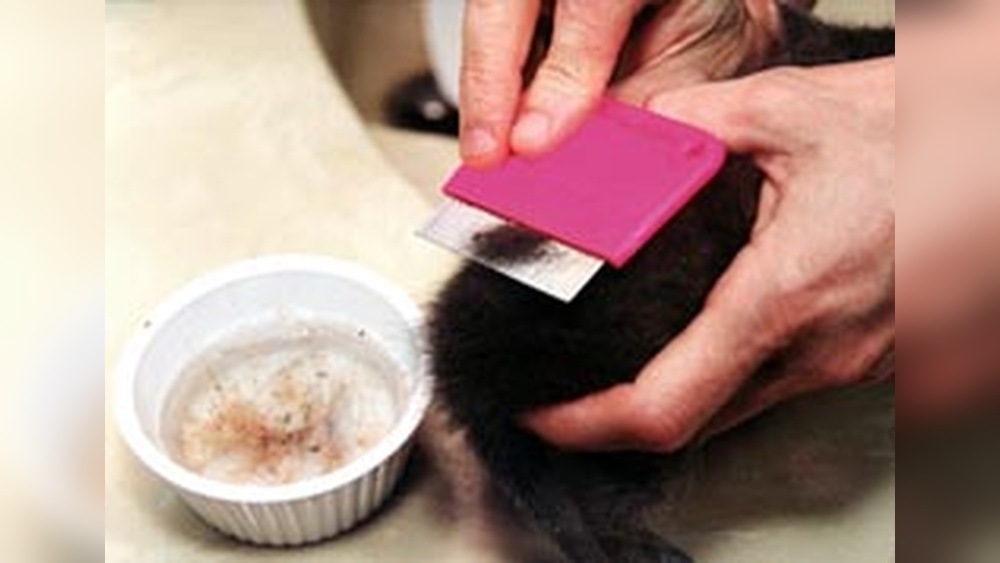
Flea combing is a manual method to remove fleas from your cat’s fur. The tool used is a fine-toothed metal comb. These combs are specially designed to catch fleas, flea dirt, and eggs as you comb through your pet’s hair. Combing is often recommended by veterinarians as a part of flea control. The process is simple: you brush your cat’s fur with the comb, check for fleas, and dispose of them.
Combing is popular because it is:
- Safe for your cat
- Chemical-free
- Easy to do at home
However, the real question is whether combing alone can solve a flea problem.
How Effective Is Flea Combing?
Many studies and pet owners agree that flea combing is a helpful tool, but it is not a complete solution for flea infestations. Let’s look at the reasons why.
Flea Removal Rate
Combing removes visible adult fleas and some eggs or dirt. The effectiveness depends on several factors:
- Frequency: Daily combing removes more fleas than weekly.
- Cat’s coat: Short-haired cats are easier to comb.
- Infestation level: Heavy infestations need more effort.
In a study published in the Journal of Feline Medicine, combing removed about 50-60% of adult fleas in mild infestations. In severe cases, combing only made a small dent.
Missed Fleas And Eggs
Fleas move quickly and hide deep in the cat’s fur, especially in areas like the neck, tail base, and belly. Eggs are tiny and often drop off into carpets or bedding. Combing cannot reach fleas hiding in the environment or those not on the cat at the time.
Flea Life Cycle
Combing only affects the adult fleas on your cat. It does not touch larvae and pupae living in your home. New fleas can hatch and jump back onto your cat after combing. This is why infestations often return unless you treat the environment.
Comparison: Combing Vs Other Flea Control Methods
Let’s compare the effectiveness of combing with other common flea control methods.
| Method | Immediate Removal | Long-Term Control | Chemical Use | Environment Impact |
|---|---|---|---|---|
| Flea Combing | Moderate | Low | No | Low |
| Topical Treatments | High | High | Yes | Moderate |
| Oral Medications | High | High | Yes | Low |
| Environmental Sprays | Low | High | Yes | High |
As you can see, combing is best for immediate removal but does not give long-term control unless combined with other methods.
Step-by-step Guide To Flea Combing
If you want to try flea combing, follow these steps for the best results:
- Choose a quality flea comb: Look for a metal comb with fine teeth spaced closely.
- Prepare your workspace: Use a white towel or paper so you can see the fleas and dirt.
- Calm your cat: Make sure your cat is relaxed. Petting or treats can help.
- Start combing: Begin at the head and work down to the tail, focusing on neck, belly, and base of tail.
- Check for fleas and dirt: Fleas are small and dark, flea dirt looks like black specks.
- Dip the comb in soapy water: After each pass, dip the comb in a bowl of soapy water to kill fleas.
- Repeat daily: For best results, comb your cat every day until you see no more fleas.
Combing takes about 10-20 minutes per session, depending on your cat’s patience and coat length.
Tips For Successful Flea Combing
To get the most out of combing, keep these practical tips in mind:
- Use two combs: One for the body, one for sensitive areas.
- Keep sessions short: Don’t stress your cat; short and frequent sessions are better.
- Check bedding and furniture: Fleas often hide in these places.
- Wash combs after use: Prevent spreading fleas to other pets.
It’s also helpful to use a magnifying glass if you have trouble seeing fleas or eggs.
Common Mistakes When Flea Combing
Many beginners make mistakes that reduce the effectiveness of combing. Here are some to avoid:
- Combing too quickly: Fleas can escape if you rush.
- Missing key areas: Always check the neck, behind ears, and tail base.
- Not disposing of fleas properly: Fleas can jump back onto your cat if you don’t drown them in soapy water.
- Ignoring other pets: Fleas move between animals; comb all pets in the home.
- Skipping environmental cleaning: Fleas in carpets and bedding will continue to infest your cat.
If you notice your cat still scratching after combing, check again for missed fleas and consider other treatment options.
Why Combing Alone Is Not Enough
While combing can remove a good number of fleas, it does not solve the root problem. Fleas reproduce quickly and their eggs, larvae, and pupae are often hidden in your home. Unless you treat your environment and use additional methods, fleas will return.
A research report from the American Veterinary Medical Association found that over 90% of flea eggs and larvae live in the environment, not on the pet. Only about 5% of the flea population is on your cat at any time. This means combing only targets a small part of the problem.
Combing is best used as:
- A support method: To remove fleas quickly and reduce itching.
- A monitoring tool: To check if other treatments are working.
It is not a full solution for infestations.
Environmental Control: The Missing Piece
To really get rid of cat fleas, you must also treat your environment. Here are the key steps:
- Vacuum regularly: Carpets, furniture, and bedding. This removes eggs, larvae, and pupae.
- Wash bedding: Use hot water to kill fleas hiding in blankets or pet beds.
- Use flea sprays or powders: Choose products safe for pets and humans.
- Treat all pets: Even if only one shows symptoms, fleas can live on others.
Some people forget that fleas can survive for weeks without a host in the pupal stage. Environmental control is just as important as treating your cat.
How Combing Fits Into A Full Flea Control Plan
If you want the best chance of eliminating fleas, combine combing with other proven methods. Here’s a sample plan:
| Action | Frequency | Purpose |
|---|---|---|
| Flea combing | Daily | Remove adult fleas and monitor progress |
| Topical treatment | Monthly | Kill fleas on pet and prevent reinfestation |
| Vacuuming | 2–3 times/week | Remove eggs and larvae from home |
| Washing bedding | Weekly | Kill fleas hiding in fabric |
This combined approach is much more effective than combing alone.
Flea Combing For Kittens And Sensitive Cats
Some cats, especially kittens or those with allergies, cannot handle strong chemicals. For these pets, combing is a safer way to reduce fleas. However, you must be gentle and patient.
- Kittens under 8 weeks: Use only combing and environmental cleaning.
- Sensitive cats: Avoid products with harsh chemicals; rely on combing and vet-approved treatments.
If your cat has skin problems or wounds, ask your vet before combing.
Non-obvious Insights For Flea Combing
Many people miss some key points when combing for fleas:
- Flea dirt can signal hidden fleas: If you see flea dirt but no fleas, new adults may emerge soon. Keep combing daily.
- Fleas are attracted to warmth: Comb your cat in a warm room. Fleas move toward warmth, making them easier to catch.
- Combing is a diagnostic tool: If you see new fleas after treatment, the infestation is not fully controlled.
These details help you understand what’s really happening and avoid surprises.
When Should You See A Veterinarian?
Combing can help with mild infestations, but sometimes professional help is needed. Go to the vet if:
- Your cat is scratching non-stop or losing fur.
- You see wounds or skin infections.
- Fleas return after treatment.
- Your cat is young, old, or has health problems.
Vets can recommend safe treatments and check for other issues like allergies or tapeworms (which fleas can transmit).
How Flea Combing Helps You Monitor Progress
One often overlooked advantage is that combing lets you track how well your flea treatments are working. Keep a log of how many fleas you find each day. If the numbers drop, your plan is working. If not, change your approach.
Example log:
- Day 1: 15 fleas
- Day 2: 10 fleas
- Day 3: 5 fleas
- Day 4: 1 flea
- Day 5: 0 fleas
This simple method gives you clear feedback.
Can Combing Help Prevent Flea Infestation?
Combing can help prevent infestations if you use it regularly, especially during flea season (spring and summer). It catches fleas before they reproduce. For outdoor cats, comb daily during high-risk periods.
However, prevention also includes:
- Keeping your home clean
- Using flea prevention products
- Checking all pets regularly
Combing alone is not enough for prevention, but it is a useful part of your routine.
Comparison: Flea Combing Vs Bathing
Many people ask if bathing is better than combing. Here’s a quick look:
| Method | Flea Removal | Cat Comfort | Frequency |
|---|---|---|---|
| Flea Combing | Moderate | High | Daily |
| Bathing | High (during bath) | Low (cats dislike water) | Rare (once every few weeks) |
Bathing removes more fleas at once but stresses most cats. Combing is easier for your pet and can be done daily.
What To Do If Fleas Keep Coming Back
Persistent fleas are a sign that you need to review your flea control plan. Try these steps:
- Increase vacuuming and wash bedding more often.
- Check for fleas in hidden areas (under furniture, cracks).
- Use a flea spray recommended by your vet.
- Make sure all pets are treated, not just the cat.
- Review your combing technique; slow down and check all body parts.
If nothing works, ask your vet for advanced treatments.
The Science Behind Flea Combing
Research shows that flea combing is best for:
- Quick relief from itching
- Monitoring treatment progress
- Reducing flea numbers in mild infestations
But scientific studies confirm that combing alone cannot stop the flea life cycle. For example, a study published in Veterinary Parasitology found that “combing reduced visible fleas but did not stop new infestations from environmental sources.” Only combined methods worked long-term.
Why Flea Combing Is Still Valuable
Even though combing is not a complete solution, it has important benefits:
- Immediate comfort: Your cat feels less itchy.
- No chemicals: Safe for sensitive animals.
- Bonding time: Cats often enjoy gentle grooming.
- Early detection: You spot problems before they get worse.
It is an important tool for pet owners, especially those who want to avoid chemicals or have young kittens.
Real-life Example: Flea Combing Success Story
Anna, a cat owner from Ohio, noticed her cat scratching more than usual. She started flea combing daily and found several fleas and flea dirt. She combined combing with vacuuming and washing her cat’s bedding every week. After two weeks, the number of fleas dropped to zero.
Anna continued combing once a week for prevention and has not had a flea problem since. Her story shows how combing, when used with other methods, can solve the issue.
Choosing The Right Flea Comb
Not all flea combs are equal. Here’s what to look for:
- Metal teeth: Stronger and more effective than plastic.
- Fine spacing: Teeth should be close together to catch small fleas.
- Comfortable handle: Makes combing easier.
- Size: Choose a comb that matches your cat’s coat length.
Avoid cheap plastic combs; they break easily and miss fleas.
How To Dispose Of Fleas After Combing
It’s not enough to just remove fleas; you must kill them. Here’s a safe way:
- Fill a bowl with soapy water before combing.
- After each comb pass, dip the comb in the water.
- Fleas drown quickly in soapy water.
- Dispose of the water down the drain.
Never crush fleas with your fingers; they may escape or carry diseases.
The Role Of Flea Combing In Allergy Control
Some cats have flea allergy dermatitis (FAD), which causes severe reactions to flea bites. Combing can help reduce bites and relieve symptoms. For allergic cats, remove fleas daily and keep the environment extra clean. If your cat still has symptoms, see a vet for special treatment.
How Often Should You Comb Your Cat?
The answer depends on the situation:
- Active infestation: Daily
- Preventive care: Once or twice a week
- After treatment: Daily for 1–2 weeks, then reduce
Regular combing is key during flea season or if your cat goes outside.
Flea Combing For Long-haired Cats
Long-haired cats need extra care. Fleas can hide deep in thick fur. Use a comb with longer teeth and work in small sections. Untangle knots first to avoid hurting your cat. Take your time and check behind ears, under legs, and at the tail base.
Can Flea Combing Harm Your Cat?
If done gently, combing is safe. However, avoid pulling or tugging, especially if your cat has mats or wounds. If your cat seems stressed, take breaks and use treats to reward good behavior. Never force combing; it should be a positive experience.
How To Tell If You’re Making Progress
Look for these signs:
- Fewer fleas and flea dirt each day
- Less scratching and biting
- Healthier skin and coat
- Your cat seems happier
Keep a simple log to track progress and adjust your plan if needed.
Additional Tools To Support Flea Combing
Some tools can make combing easier:
- Magnifying glass: Helps spot tiny fleas.
- Lint roller: Picks up flea dirt after combing.
- Pet grooming gloves: Good for sensitive cats.
Use these tools to improve your results.
Are There Natural Ways To Boost Flea Control?
Many people try natural solutions like vinegar, lemon sprays, or herbal powders. While these can help repel fleas, they are not strong enough for infestations. Use them as a support, not a main treatment. Always check with your vet before using any homemade remedy.
Linking To Reliable Flea Information
For more detailed scientific information on flea biology and control, visit Wikipedia.
Summary: Flea Combing’s Real Role
To answer the main question: Can you get rid of cat fleas by combing? The honest answer is: combing alone cannot fully eliminate fleas, especially in established infestations. It is a helpful tool for removing adult fleas, monitoring progress, and giving your cat relief. For full flea control, combine combing with environmental cleaning and proven treatments. Flea combing is most valuable as a part of a larger plan, not as a single solution.
Frequently Asked Questions
Is Flea Combing Safe For All Cats?
Yes, flea combing is safe for most cats if done gently. Avoid combing if your cat has open wounds or severe skin problems. For kittens and sensitive cats, combing is often the best option.
How Long Does It Take To See Results From Flea Combing?
Results can appear within a few days for mild infestations. You may see fewer fleas and less scratching. For severe infestations, progress takes longer. Combine combing with other methods for faster results.
Do I Need To Comb My Cat Every Day?
Daily combing is best during active infestations. For prevention, comb once or twice a week. Adjust your routine based on your cat’s risk and comfort.
Can Flea Combing Replace Chemical Treatments?
No, combing cannot replace chemical treatments for full flea control. It helps remove fleas and monitor progress but does not stop the flea life cycle. Use combing as a support with other methods.
What Should I Do If My Cat Hates Being Combed?
Try shorter sessions and use treats as rewards. If your cat is very resistant, use grooming gloves or ask your vet for advice. Never force combing; keep the experience positive.
Cat flea control is a challenge, but with the right tools and knowledge, you can protect your pet. Flea combing is a useful technique that gives immediate relief and helps you track your progress. Combine it with a strong cleaning routine and proven treatments for the best results.
Your cat will thank you for the extra care and comfort.

Credit: www.kwikpets.com