

Are you planning to travel with your furry friend soon? If so, you might be wondering, do airlines measure pet carriers before you board?
Knowing the rules about pet carrier sizes can save you from last-minute stress and extra fees at the airport. You’ll discover exactly how airlines check your pet’s carrier, what size limits you need to follow, and simple tips to make your trip smooth and worry-free.
Keep reading to make sure your pet travels comfortably and safely with you.
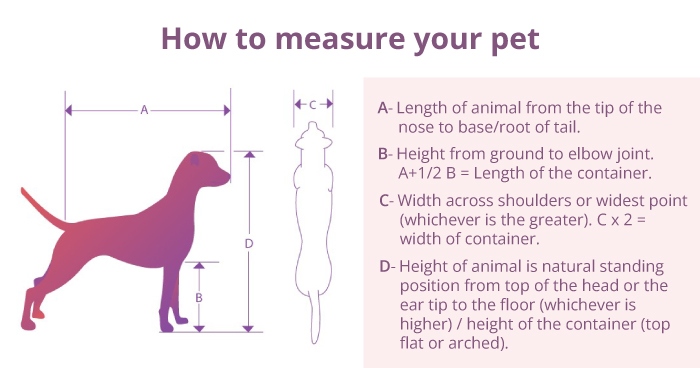
Credit: www.carrymypet.com
Airline Pet Carrier Policies
Airlines set clear rules for pet carriers to keep pets safe and comfortable. These rules help avoid problems at the airport and during the flight. Understanding airline pet carrier policies is key to smooth travel with pets. Each airline may have different rules. Knowing these rules before your trip saves time and stress.
Size Restrictions
Airlines limit the size of pet carriers allowed on board. Carriers must fit under the seat in front of you. This rule ensures the pet stays secure during the flight. Too large carriers may not be accepted in the cabin. Check the airline’s size limits before you pack your pet.
Weight Limits
Most airlines set weight limits for pets and their carriers. This limit usually includes your pet and the carrier combined. Staying within weight limits helps with safety and handling. Overweight carriers might need to travel in cargo. Verify the weight rules to avoid last-minute issues.
Approved Carrier Types
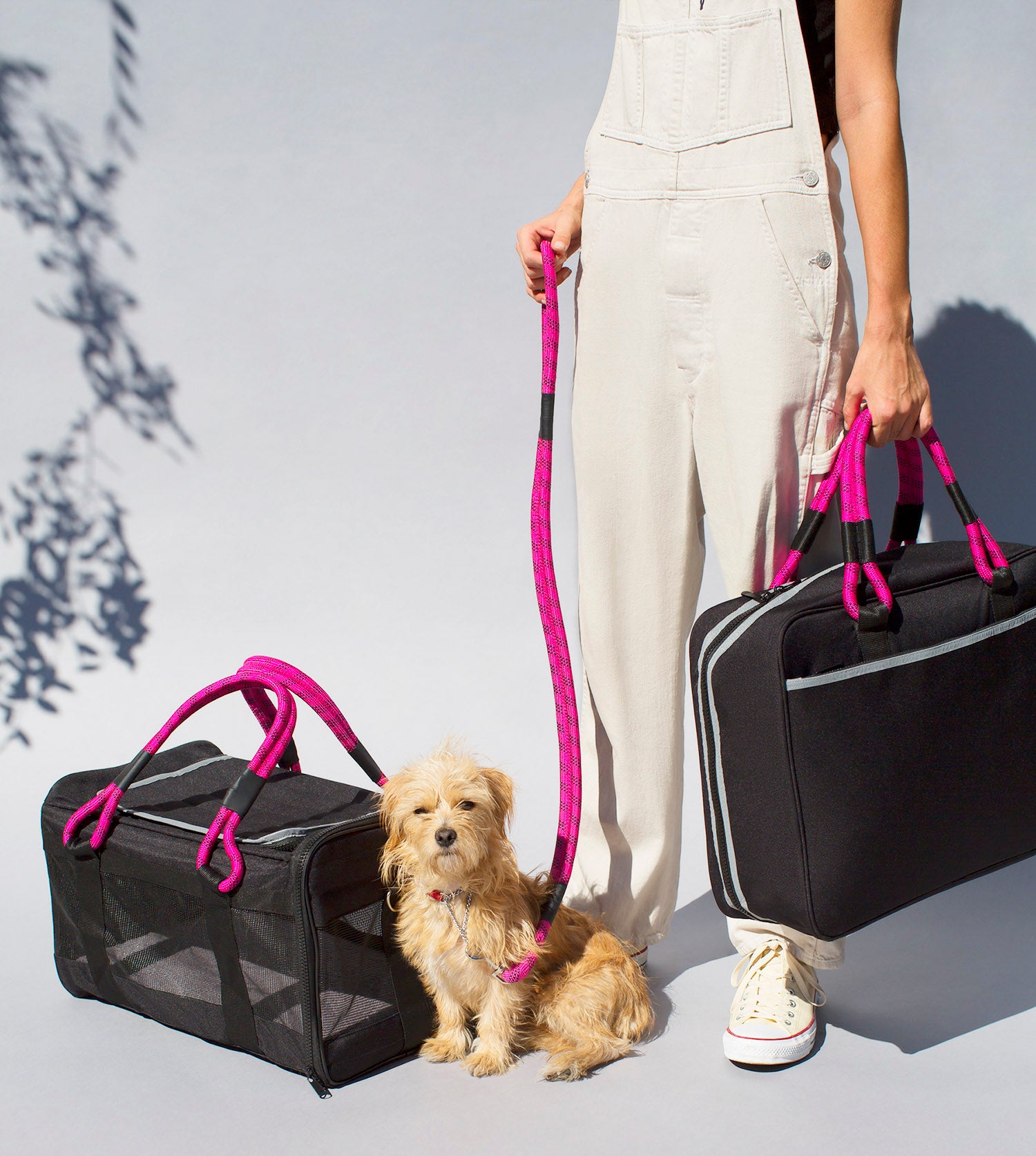
Airlines only accept certain types of pet carriers. Soft-sided carriers are common for cabin travel. They offer comfort and fit easily under seats. Hard-sided carriers may be required for larger pets or cargo travel. Carriers must have ventilation and secure closures. Check carrier type rules for your airline before buying one.
Measuring Your Pet Carrier
Measuring your pet carrier is key before traveling by air. Airlines have strict rules about carrier size. Your pet’s comfort and safety depend on the right fit. Taking accurate measurements avoids last-minute problems at the airport.
Dimensions To Check
Measure the length, width, and height of the carrier. Include handles, wheels, or any extra parts. Check the interior space where your pet will sit. The carrier must fit under the airline seat. Each airline may have different size limits.
Tools For Accurate Measurement
Use a tape measure or a ruler for precise results. A soft measuring tape works well for curved edges. Measure twice to avoid mistakes. Write down each number clearly. Measuring tools help ensure you follow airline rules exactly.
Common Measurement Mistakes
Not including handles or wheels causes errors. Measuring only the inside or outside alone confuses results. Guessing sizes instead of measuring leads to problems. Forgetting to check airline size rules wastes time. Small errors can mean your pet carrier gets rejected.
Booking Tips For Pet Travel
Booking a flight for your pet needs careful planning. Airlines have rules for pet carriers and travel. Knowing these rules helps avoid problems at the airport. It also makes the journey calm for your pet. Here are key tips for booking your pet’s trip.
Notifying Airlines In Advance
Tell the airline you will travel with a pet. Do this as early as possible. Many airlines have a limit on pets per flight. Early notice secures your pet’s spot. You may need to provide your pet’s weight and carrier size. This helps the airline prepare for your pet’s travel.
Selecting Pet-friendly Flights
Choose flights that are better for pets. Shorter flights reduce stress on your pet. Flights during mild weather are safer. Avoid very hot or cold times. Some airlines offer pet-friendly cabins or areas. Check these options to keep your pet comfortable.
Understanding Additional Fees
Airlines often charge extra for pet travel. These fees vary by airline and flight type. Fees may depend on your pet’s size or carrier dimensions. Know the costs before booking. This prevents surprises at the airport. Prepare to pay these fees as part of your travel plan.
Credit: www.carrymypet.com
Preparing Your Pet Carrier
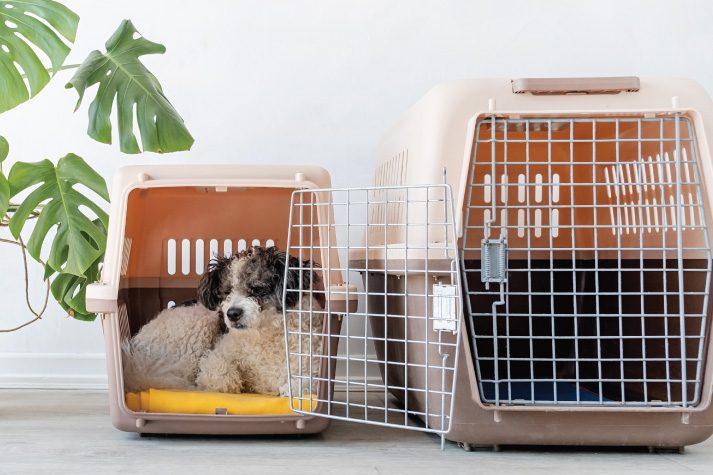
Preparing your pet carrier before a flight is very important. Airlines check pet carriers for size and safety. A well-prepared carrier keeps your pet safe and calm during travel. Follow these simple tips to get your carrier ready for the trip.
Comfort And Ventilation
Choose a carrier with enough space for your pet to stand and turn. Good ventilation helps your pet breathe easily. Look for carriers with mesh windows or vents on multiple sides. Soft bedding inside makes the carrier cozy. Avoid materials that trap heat or block airflow.
Securing Your Pet
Make sure your pet stays secure inside the carrier. Use strong zippers or locks to prevent escapes. Check for loose parts that could harm your pet. The carrier should not wobble or tip over during travel. A stable carrier keeps your pet calm and safe.
Labeling And Documentation
Attach clear labels with your pet’s name and your contact details. Include your phone number and address on the carrier. Keep all travel documents and health certificates handy. Airlines often ask for vaccination records. Proper labeling and paperwork speed up the check-in process.
At The Airport
At the airport, pet carriers must meet specific size rules. Airlines often check the size and weight of your pet carrier. This ensures your pet travels safely and comfortably. Knowing what to expect helps reduce stress for both you and your pet.
Check-in Procedures
During check-in, airline staff measure your pet carrier carefully. They check if it fits under the seat or in the cargo hold. If the carrier is too big, you may need to upgrade your ticket or change the carrier. Having the right paperwork ready speeds up the process.
Security Screening For Pet Carriers
At security, you must take your pet out of the carrier. The empty carrier goes through the X-ray machine. You carry your pet through the metal detector. This step is quick but requires attention. Staying calm helps your pet feel safe.
Handling Delays And Layovers
Delays can be tough for pets in carriers. Plan extra time to walk your pet during long layovers. Keep water and snacks handy. Some airports have pet relief areas. Use these spaces to keep your pet comfortable and calm.
Credit: www.roverlund.com
Tips For Stress-free Pet Travel
Traveling with pets can be a smooth experience with the right preparation. Stress affects pets and owners alike. Keeping pets calm improves safety and comfort during flights. Simple steps before and during travel help pets feel secure and relaxed.
Familiarizing Pets With Carriers
Let pets explore carriers at home. Place treats or toys inside to create positive feelings. Leave the carrier open so pets enter freely. Practice short trips in the carrier to build comfort. This reduces anxiety during the actual flight.
Feeding And Hydration
Feed pets a light meal a few hours before travel. Avoid heavy meals to prevent nausea. Offer water regularly but limit large amounts before flying. Carry a small water bottle and bowl for use during layovers. Staying hydrated keeps pets alert and calm.
Calming Techniques
Use gentle petting or soft voices to soothe pets. Bring a favorite blanket or toy for comfort. Natural calming sprays or collars may help reduce anxiety. Avoid loud noises and sudden movements near pets. Remain calm yourself; pets sense your mood.
Frequently Asked Questions
Do Airlines Weigh Pet Carriers Before Boarding?
Yes, most airlines weigh pet carriers to ensure they meet size and weight limits. This helps maintain safety and comfort standards during the flight.
Are Pet Carrier Dimensions Strictly Measured By Airlines?
Airlines typically measure pet carriers to confirm they fit under the seat. This ensures pets travel safely in the cabin without obstructing aisles.
Can Overweight Pet Carriers Be Checked As Luggage?
Some airlines allow overweight pet carriers as checked baggage, but policies vary. Always check specific airline rules before traveling with your pet.
Do Pet Carriers Need To Be Airline-approved Size?
Yes, airlines require pet carriers to meet specific size standards. Approved carriers provide comfort for pets and comply with airline safety regulations.
Conclusion
Airlines do measure pet carriers to ensure safety and comfort. Carrying the right size helps pets travel without issues. Always check your airline’s specific rules before flying. This saves time and avoids last-minute problems at the airport. Remember, a well-fitted carrier keeps your pet calm and secure.
Traveling with pets can be smooth when you prepare well. Keep your pet’s needs in mind for a happy trip. Small steps make a big difference in pet travel success.