

If you love your dog, you want them to look and feel their best. But taking your furry friend to a groomer can be time-consuming and expensive.
What if you could save money and enjoy grooming your dog right at home? Building your own dog grooming table is easier than you think. In this guide, you’ll discover simple steps to create a sturdy, safe, and comfortable space for your pet.
Keep reading, and you’ll have everything you need to start grooming your dog like a pro—without leaving your house.

Credit: kdfoundation.org
Choosing The Right Materials
Choosing the right materials for your DIY dog grooming table is important. The materials affect the table’s strength, durability, and safety. Picking good materials helps the table last longer and stay steady during grooming. It also keeps your pet comfortable and secure. Consider the types of wood, metal frames, and tools you need. Each part plays a key role in building a reliable grooming table.
Wood Types And Their Benefits
Wood is a popular choice for DIY grooming tables. It is easy to work with and looks nice. Pine wood is light and affordable. It is good for small to medium dogs. Oak and maple are harder woods. They hold up well under heavy use. These woods resist scratches and dents better. Choose smooth wood to avoid splinters. A sealed or painted surface protects wood from water and stains.
Metal Frames And Stability
Metal frames add strong support to the table. Steel is tough and can hold heavy dogs. Aluminum is lighter but still sturdy. Metal keeps the table stable and safe. It prevents wobbling during grooming. Use rust-resistant metal for long life. Welding or bolts can join metal parts. A metal frame combined with wood top creates a balanced table. The metal frame also makes the table easier to move.
Essential Tools Needed
Gathering the right tools makes building easier. A saw is needed to cut wood pieces. Sandpaper smooths rough edges for safety. A drill helps attach screws and metal parts. Screws and bolts secure everything tightly. Clamps hold pieces in place while working. Measuring tape ensures accurate cuts and fits. A level checks the table’s flatness. These tools help create a safe, sturdy dog grooming table.

Credit: www.youtube.com
Designing Your Grooming Table
Designing your own dog grooming table lets you create a space that suits your needs. You control the size, height, and features. A well-designed table makes grooming easier and safer for both you and your dog.
Think about your dog’s size and how you work best. Comfort and safety must come first. Each choice shapes your grooming experience.
Ideal Table Size And Height
Choose a table size that fits your dog comfortably. It should be large enough for your dog to stand or sit without slipping. A table too small makes grooming hard and unsafe.
The height should match your body to avoid back pain. A good rule is to have the table at your waist level. This helps you work without bending or stretching too much.
Features For Safety And Comfort
Non-slip surfaces keep your dog steady during grooming. Use materials that provide grip but are easy to clean. Rounded edges prevent injuries for both you and your pet.
Adding adjustable restraints can keep your dog calm and still. Soft padding offers comfort during longer grooming sessions. Think about easy-to-clean features to save time.
Portable Vs. Stationary Tables
Portable tables are light and easy to move. They work well if you groom in different places. Look for foldable legs and a carry handle for easy transport.
Stationary tables stay in one spot. They are usually stronger and more stable. Choose stationary if you have a dedicated grooming area at home.
Step-by-step Assembly
Building your own dog grooming table is easier than you think. This step-by-step guide breaks down the process. Follow each part carefully to create a safe and sturdy table for your dog. Ready? Let’s get started.
Preparing The Workspace
Clear a large area for your project. Make sure it is clean and well-lit. Gather all tools and materials. Safety first: wear gloves and goggles. Keep your workspace organized to avoid mistakes.
Cutting And Shaping Materials
Measure wood pieces according to your design. Use a saw to cut them carefully. Sand the edges to smooth any rough spots. Double-check all parts fit together well. Take your time to ensure accuracy.
Assembling The Frame And Surface
Start by building the table frame. Attach legs firmly to the base. Use screws and wood glue for extra strength. Place the tabletop on the frame. Secure it tightly to avoid wobbling.
Adding Non-slip Surfaces
Cover the table surface with non-slip material. Use rubber mats or textured vinyl sheets. Cut the material to fit the tabletop size. Attach it securely with adhesive or staples. This keeps your dog safe during grooming.
Customizing Your Table
Customizing your DIY dog grooming table makes the grooming process easier and safer. You can add features that suit your dog’s needs and your working style. Custom touches help keep tools organized and the dog secure. This section covers key ways to personalize your grooming table.
Attaching Grooming Arms And Restraints
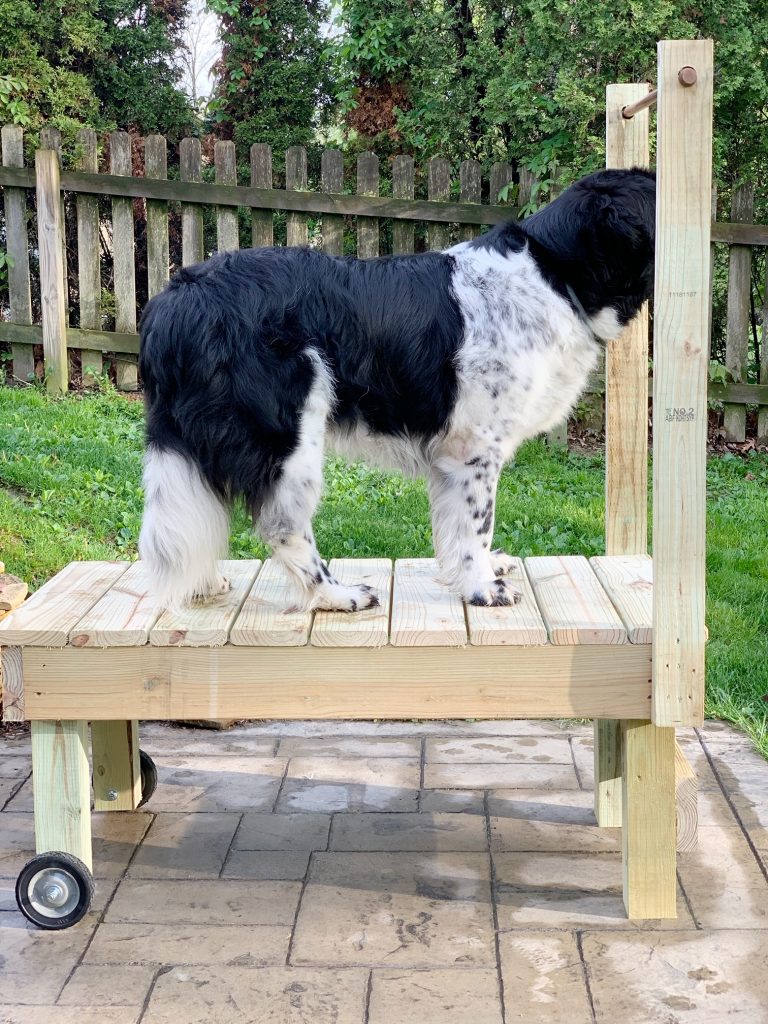
Grooming arms hold your dog in place during grooming. Attach them firmly to the table’s edge for stability. Use clamps or bolts to secure the arms. Restraints like nooses keep your dog safe and steady. Choose adjustable restraints to fit dogs of different sizes. Proper placement prevents stress on your dog’s neck.
Storage Solutions For Tools
Keep grooming tools within easy reach by adding storage options. Mount small shelves or trays on the table sides. Use hooks for scissors, brushes, and combs. Drawers under the table help store clippers and towels. Organized tools save time and reduce mess. Make sure storage does not clutter your workspace.
Finishing Touches And Paint Options
Finish your table with paint or sealant to protect the wood. Choose water-resistant paint to handle spills and moisture. Smooth surfaces are easier to clean and maintain. Pick colors that brighten your grooming area. Non-toxic finishes keep your dog safe during grooming sessions. A good finish extends the table’s life and looks neat.
Maintenance And Safety Tips
Maintaining your DIY dog grooming table is key for safety and long use. Cleanliness and regular checks keep your pet safe and your table strong. Follow these tips to keep grooming smooth and safe every time.
Cleaning And Disinfecting
Wipe down the table after each use. Use mild soap and warm water for cleaning. Avoid harsh chemicals that may harm your pet’s skin. Disinfect regularly to kill germs and bacteria. Let the table dry fully before the next grooming session.
Regular Inspections For Wear
Check the table for cracks or loose parts often. Tighten screws and bolts as needed. Look for splinters or rough edges that can hurt your dog. Replace any worn or broken parts quickly. A sturdy table helps prevent accidents during grooming.
Safe Grooming Practices
Always use grooming tools carefully on the table. Secure your dog gently with a harness or leash. Avoid sudden movements that can cause falls. Keep the grooming area well-lit and clutter-free. Stay calm and patient to make grooming safe and pleasant.
Troubleshooting Common Issues
Troubleshooting common issues with your DIY dog grooming table keeps grooming safe and smooth. Small problems can stop work or make your pet uneasy. Fixing these issues fast saves time and effort. Below are simple fixes to common problems you might face.
Fixing Wobbly Tables
A wobbly table feels unsafe for your dog. Check all screws and bolts first. Tighten any loose parts using a wrench or screwdriver. Make sure the legs sit flat on the floor. Use rubber pads under legs if the floor is uneven. This stops slipping and shaking during grooming.
Replacing Damaged Parts
Damaged parts reduce table strength and safety. Identify broken pieces like cracked wood or bent metal. Order replacement parts from the original supplier or local hardware store. Remove damaged parts carefully to avoid injury. Fit new parts tightly and test table stability before use. Regular checks prevent unexpected failures.
Improving Table Stability
Stable tables protect your dog and make grooming easier. Add cross braces between legs for extra support. Use non-slip mats on the tabletop to keep your dog steady. Ensure the table height suits your comfort to avoid shaking. Balance weight evenly across the table during grooming. These steps improve control and safety greatly.
Credit: kashifiqbal.com
Frequently Asked Questions
What Materials Are Best For A Diy Dog Grooming Table?
Wood and metal are ideal for DIY dog grooming tables. Wood offers durability and easy customization. Metal provides strength and stability. Use non-slip surfaces for safety. Choose materials that are easy to clean and resistant to water damage.
How Do I Ensure Stability In My Grooming Table?
To ensure stability, use sturdy legs and a wide base. Reinforce joints with screws or brackets. Add rubber feet to prevent slipping. Stability keeps your dog safe and comfortable during grooming sessions.
What Size Should A Diy Grooming Table Be?
The table should be large enough for your dog to stand comfortably. Generally, 36-48 inches long and 24-30 inches wide works well. Adjust size based on your dog’s breed and grooming needs for better control.
How Can I Make My Grooming Table Portable?
Use foldable legs or lightweight materials like aluminum. Attach locking hinges for safety during use. Add handles or wheels to ease transportation. Portability helps if you groom in different locations.
Conclusion
Building your own dog grooming table saves money and fits your needs. It gives you a safe space to groom your pet comfortably. You can choose the right size and materials yourself. Plus, it feels great to create something useful with your hands.
Regular grooming keeps your dog healthy and happy. A DIY table makes this job easier and more fun. Try it out and enjoy a better grooming experience at home. Simple, practical, and rewarding.