

If you’re planning to travel with your pet, you probably wonder how strict airlines are about pet carriers. You want to keep your furry friend safe and comfortable, but you also don’t want your trip to get complicated by unexpected rules.
Understanding what airlines expect can save you from last-minute stress and extra fees. You’ll discover exactly how picky airlines are about pet carriers and what you need to know to make your journey smooth and worry-free. Keep reading to avoid surprises and ensure your pet travels happily by your side.

Credit: www.reddit.com
Airline Policies On Pet Carriers
Airlines have clear rules for pet carriers to keep pets safe during flights. These rules help both pets and owners have a smooth travel experience. Knowing the policies before you travel helps avoid problems at the airport.
Carrier Size And Dimensions
Each airline sets specific size limits for pet carriers. Carriers must fit under the seat in front of you. This space is usually small. Oversized carriers may not be allowed in the cabin. Check the exact measurements on the airline’s website before your trip.
Approved Carrier Types
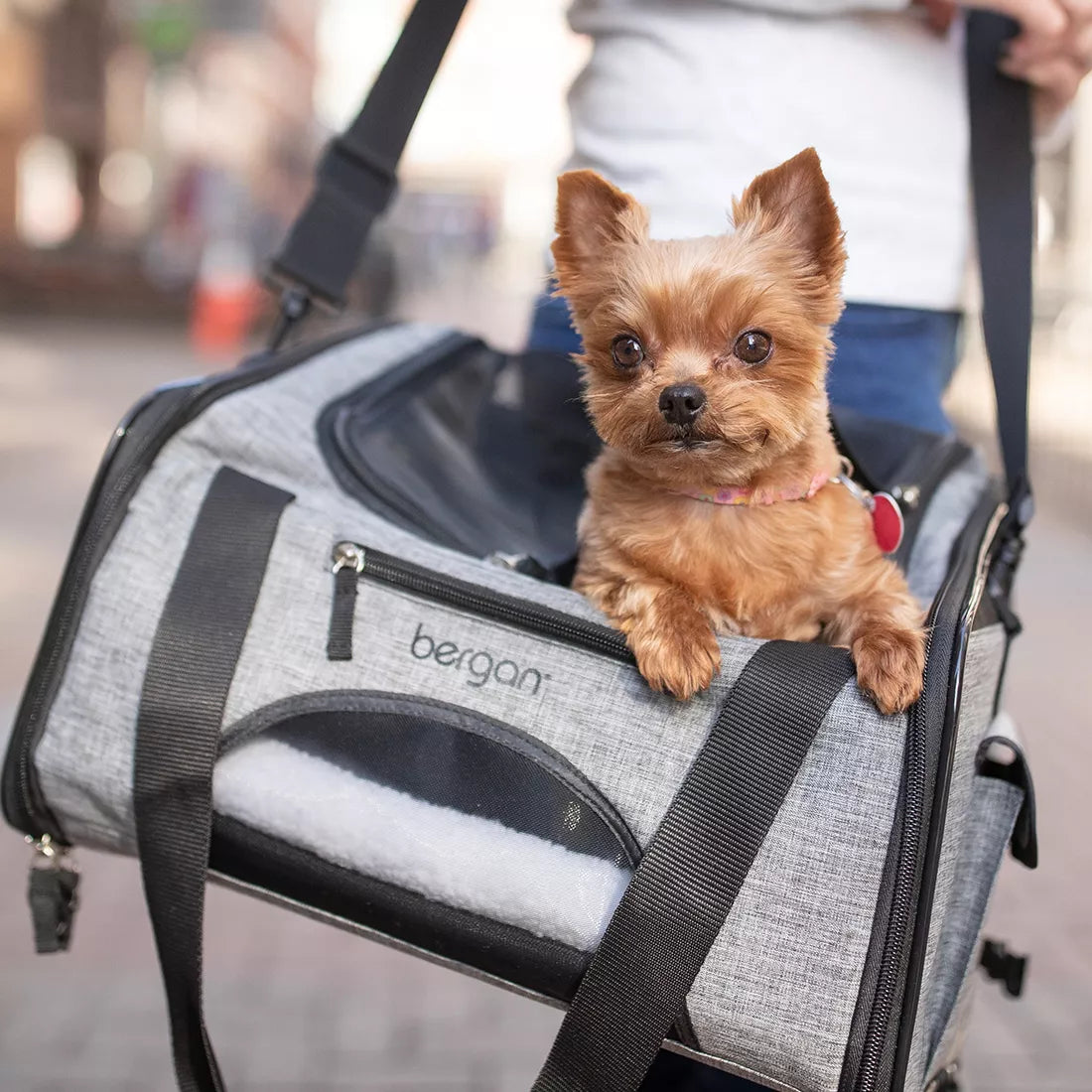
Airlines accept certain types of pet carriers only. Soft-sided carriers are common because they fit better under seats. Hard plastic carriers may be allowed but must meet size rules. The carrier must be well-ventilated and secure. It should keep your pet comfortable and safe.
Weight Limits And Restrictions
Most airlines have weight limits for pets plus carriers. This limit usually ranges from 15 to 20 pounds. Pets heavier than the limit may need to travel as cargo. Confirm the weight rules before booking. Overweight pets require special arrangements and fees.
Booking And Documentation
Booking a flight with a pet involves more than just buying a ticket. Airlines have clear rules about pet carriers. These rules protect your pet and other passengers. Understanding booking and documentation helps avoid travel stress.
Reservation Requirements
Most airlines require you to reserve a spot for your pet. Pet spots are limited and fill quickly. Call the airline early to book your pet’s carrier space. Online booking might not show pet options. Confirm with the airline before finalizing your ticket.
Health Certificates And Vaccinations
Airlines often ask for a recent health certificate. This certificate shows your pet is fit to fly. A vet must issue it, usually within ten days before travel. Some countries and airlines require proof of vaccinations. Rabies shots are commonly required. Keep these documents ready for check-in.
Pet Identification Rules
Your pet must have proper identification. Attach a tag with your name, phone number, and address. Some airlines ask for a microchip as extra ID. Make sure your pet’s carrier has a clear label. Include your contact details and flight information. Proper ID helps if your pet gets lost.
In-cabin Vs Cargo Travel
Choosing between in-cabin and cargo travel for pets depends on size, safety, and airline rules. Both options have strict guidelines that owners must follow. Knowing these rules helps ensure a smooth trip for your pet.
Criteria For In-cabin Pets
Small pets often travel in the cabin with their owners. Airlines usually require pets to fit in a carrier under the seat. The carrier must be well-ventilated and secure. Pets should stay inside the carrier during the flight. Weight limits often apply, generally under 15 pounds including the carrier.
Airlines may require advance notice for in-cabin pets. Some breeds may be restricted. It is important to check the airline’s specific rules before booking.
Cargo Hold Guidelines
Larger pets or those not allowed in the cabin travel in the cargo hold. Airlines require sturdy, airline-approved crates for cargo pets. The crate must be large enough for the pet to stand, turn, and lie down comfortably. Proper ventilation is necessary on all sides of the crate.
Labeling the crate with contact information is mandatory. Airlines often have temperature and timing restrictions for cargo pets. Booking early is important due to limited cargo space.
Risks And Safety Measures
Cargo travel carries risks like temperature changes and stress. Airlines use climate-controlled areas to reduce dangers. Owners should prepare pets with familiar blankets or toys inside the carrier. Avoid sedatives unless prescribed by a vet.
In-cabin travel allows pets to stay close to owners, reducing anxiety. Regardless of travel type, hydration and comfort are essential. Always follow airline safety instructions to protect your pet.

Credit: www.reddit.com
Security And Screening Procedures
Security and screening procedures are important for traveling with pets. Airlines and security staff follow strict rules to keep everyone safe. Understanding these steps helps you prepare your pet and carrier for the journey.
Pets must go through security checks just like passengers. The process ensures no dangerous items are hidden inside pet carriers. Airports use special machines to scan the carrier without opening it first.
Tsa Screening Process
The TSA requires pet carriers to pass through X-ray machines. You need to take your pet out of the carrier and carry them through the metal detector. The empty carrier then goes on the conveyor belt for scanning.
If security staff need a closer look, they may open the carrier. They handle pets gently and quickly to reduce stress. The TSA follows strict guidelines to protect both pets and passengers.
Handling Pet Carriers At Checkpoints
Security officers ask travelers to remove pets before screening the carrier. This step is necessary for a clear inspection. Keep your pet calm and secure during this process.
Carry your pet in your arms or use a leash while the carrier passes through the scanner. After the carrier clears security, place your pet back inside. Staff may check the carrier’s size and structure for airline rules.
Tips For Smooth Security Checks
Use a soft-sided carrier that fits under the seat easily. This design makes inspections faster and less stressful. Practice taking your pet out calmly before the trip.
Arrive early at the airport to allow extra time for pet screening. Stay calm and follow instructions from security staff. Clear communication helps avoid confusion and delays.
Common Airline Restrictions
Airlines have clear rules about pet carriers. These rules help keep pets safe and comfortable. They also ensure smooth travel for all passengers.
Understanding common restrictions can help avoid problems at the airport. Each airline sets limits on what types of pets and carriers are allowed. Some rules depend on the season or travel route.
Breed And Species Limitations
Many airlines restrict certain breeds and species. Some dog breeds with short noses, like bulldogs, face limits due to breathing risks. Exotic animals often need special approval or cannot fly in the cabin. Airlines usually allow small cats and dogs in approved carriers only.
Seasonal And Route-based Rules
Hot weather can affect pet travel. Airlines may stop accepting pets during summer months on some routes. Long flights or flights to certain countries may have extra rules. Some airlines limit pets on international flights to avoid quarantine issues.
Prohibited Items In Carriers
Carriers must be free of items that harm pets or others. Food, toys, or blankets are usually allowed but check airline rules. Sharp objects, liquids, and batteries are banned inside carriers. Proper ventilation and secure locks are a must for safety.
Preparing Your Pet And Carrier
Preparing your pet and carrier is key for a smooth flight experience. Airlines have strict rules about pet carriers. Making your pet comfortable helps reduce stress during travel. Proper preparation also ensures the carrier meets airline standards. This section covers important tips to get ready for your trip.
Carrier Comfort And Ventilation
Choose a carrier that fits your pet well. It should allow your pet to stand, turn, and lie down. Good ventilation is a must. Look for carriers with mesh sides or vents. Proper airflow keeps your pet cool and calm. Avoid carriers that feel cramped or stuffy. Soft bedding inside adds comfort and absorbs accidents. Make sure the carrier is sturdy but light enough to carry.
Feeding And Hydration Tips
Feed your pet a light meal a few hours before the flight. Avoid heavy meals right before travel to prevent nausea. Offer water up to the time you leave for the airport. Use a spill-proof bowl inside the carrier. Dehydration can cause discomfort and stress. Do not give your pet food or water during takeoff or landing. After landing, offer water and food as soon as possible.
Calming Techniques For Pets
Familiar items help pets feel secure. Place a favorite blanket or toy inside the carrier. Use gentle petting or soft talking before the flight. Some pets respond well to natural calming sprays. Avoid sedatives unless prescribed by a vet. Practice short trips in the carrier before travel day. This builds positive associations and reduces anxiety. Calm pets make the journey easier for everyone.
Consequences Of Non-compliance
Airlines have strict rules about pet carriers to keep all passengers safe. Not following these rules can cause many problems. You may face extra costs, miss your flight, or have trouble boarding. Understanding what happens if you don’t comply helps you avoid stress and delays.
Potential Fees And Penalties
Airlines may charge extra fees for carriers that do not meet size rules. You could pay for a checked bag fee or an oversized pet fee. Some airlines may refuse to carry your pet without a proper carrier. These fees can be costly and unexpected.
Denied Boarding Scenarios
If your pet carrier does not follow airline rules, the airline can deny boarding. This means you and your pet cannot get on the plane. The airline may also ask you to change your carrier or reschedule your flight. Denied boarding causes delays and can ruin travel plans.
Tips To Avoid Last-minute Issues
Check your airline’s pet carrier rules before booking your flight. Measure your carrier carefully to meet size limits. Use a carrier that is sturdy and well-ventilated. Arrive early at the airport to allow time for inspections. Prepare all required documents for your pet’s travel. These steps help prevent problems at the airport.
Credit: www.esseg.eu
Frequently Asked Questions
How Strict Are Airlines About Pet Carrier Sizes?
Airlines enforce strict size limits for pet carriers to ensure safety and comfort. Carriers must fit under the seat. Always check your airline’s specific size requirements before traveling with pets.
Can Soft-sided Carriers Be Used On All Airlines?
Most airlines accept soft-sided carriers for in-cabin pets due to flexibility and ventilation. However, always verify with your airline, as some may have unique rules or prefer hard-sided carriers.
Are Pet Carriers Required To Have Ventilation?
Yes, airlines require pet carriers to have adequate ventilation on multiple sides. This ensures pets get enough air during the flight and remain comfortable throughout the journey.
What Materials Are Allowed For Pet Carriers On Flights?
Airlines typically allow carriers made from durable, breathable materials like nylon or plastic. The carrier must be sturdy enough to protect pets and meet airline safety standards.
Conclusion
Airlines take pet carrier rules seriously to keep pets safe. Each airline has its own size and material limits. Following these rules helps avoid travel problems. Choose a carrier that fits your pet and airline rules. Prepare early to make your trip smooth and stress-free.
Caring for your pet starts with the right carrier. Safe travels and happy pets go hand in hand.