

Keeping your pet grooming gloves clean is essential for both your pet’s health and your own. These gloves help you remove loose fur, dirt, and even dead skin from your pet. But after a few grooming sessions, the gloves themselves can get dirty, smelly, and less effective.
Many pet owners don’t realize that cleaning grooming gloves is not just about washing off fur. It’s about removing bacteria, oils, and debris that build up over time. If you use dirty gloves, you could spread germs back to your pet or even cause skin irritation.
In this guide, you’ll learn exactly how to clean pet grooming gloves, what mistakes to avoid, and how to keep your gloves in top shape for years.
Why Clean Pet Grooming Gloves Matters
Pet grooming gloves are convenient and easy to use. But after each use, they hold onto fur, dander, pet oils, and sometimes even parasites. If you don’t clean them, these materials can accumulate and cause problems:
- Bacterial buildup: Dirty gloves can harbor bacteria, leading to infections or rashes in pets.
- Allergic reactions: Old fur and dander can trigger allergies in humans.
- Decreased effectiveness: Gloves covered in fur and oil don’t grip new hair or dirt well.
- Odor issues: Trapped sweat and pet oils can make gloves smell bad.
A study from the American Veterinary Medical Association showed that over 30% of pet owners who don’t clean grooming tools regularly report skin problems in their pets. Clean gloves mean safer grooming and a healthier pet.
Understanding Different Types Of Pet Grooming Gloves
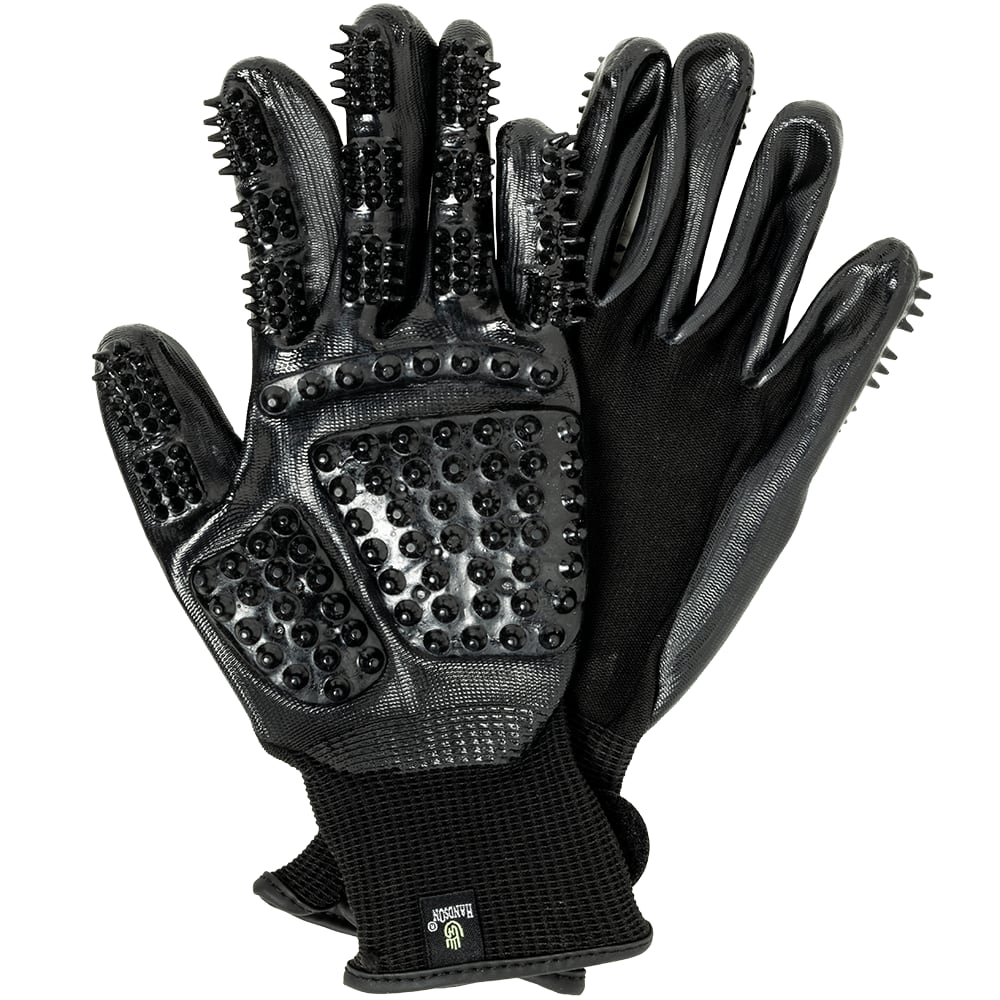
Before you start cleaning, it’s important to know what type of grooming gloves you have. Not all gloves are made the same, and some require special care.
| Type of Glove | Main Material | Cleaning Difficulty | Common Uses |
|---|---|---|---|
| Silicone Nubs | Silicone & Fabric | Easy | Short/Medium Hair Pets |
| Rubber Palms | Rubber & Mesh | Moderate | Long Hair Pets, Bathing |
| Full Fabric | Polyester/Nylon | Hard | Gentle Grooming, Sensitive Skin |
Silicone gloves are very popular because they are easy to rinse and dry fast. Rubber gloves are tougher and work well for heavy grooming but need more scrubbing. Fabric gloves are soft but can trap oils and require careful washing.
Step-by-step Guide: How To Clean Pet Grooming Gloves
Each glove type needs a slightly different cleaning method. But the basic steps are similar. Here’s how to clean your pet grooming gloves thoroughly:
Step 1: Remove Loose Fur And Debris
After grooming, always pull off as much loose fur and dirt as possible. Use your fingers or a soft brush. For stubborn fur stuck between nubs, try these tricks:
- Tap gloves gently against a hard surface.
- Use a toothpick or tweezers for deep cleaning.
- Shake outdoors to avoid indoor mess.
Step 2: Rinse With Warm Water
Take your gloves to a sink and rinse them with warm water. This helps loosen oils and leftover dirt. Most gloves can handle running water, but avoid very hot water, as it can damage rubber or silicone.
Step 3: Apply Mild Soap Or Pet-safe Detergent
Use a mild soap, like dish soap or a pet-safe detergent. Avoid harsh chemicals, bleach, or strong cleaners, as these can harm the glove material or irritate your pet’s skin later. Rub the soap into the glove’s nubs or palms. For fabric gloves, use a gentle detergent and avoid scrubbing too hard.
Step 4: Scrub Gently
Use a soft brush, sponge, or your fingers to scrub the glove. Focus on the nubs, fingers, and palm area where most fur and oils build up. For rubber gloves, a toothbrush works well for deep cleaning.
Step 5: Rinse Thoroughly
Rinse off all soap and dirt. If soap remains, it can dry and irritate your pet next time. Check between nubs and seams for hidden residue. Repeat the rinse if needed.
Step 6: Sanitize (optional But Recommended)
For extra cleanliness, you can sanitize your gloves. Mix one tablespoon of white vinegar or hydrogen peroxide in a cup of water. Soak or wipe the gloves with this solution. This kills bacteria and removes odors. Rinse again after sanitizing.
Step 7: Dry Properly
Never store wet gloves. Hang them up or lay them flat in a well-ventilated area. Avoid direct sunlight, as it can damage the material over time. For fabric gloves, air drying is best. Don’t use a dryer unless the label says it’s safe.
Tips For Cleaning Specific Glove Materials
Each material needs special care to last longer and stay clean.
Silicone Gloves
Silicone is non-porous, so it doesn’t absorb much. But it can hold onto oils and fur. Clean with dish soap and rinse under running water. Avoid rough scrubbing—silicone can tear if treated harshly.
Rubber Gloves
Rubber gloves are tough, but they can crack if exposed to strong chemicals or heat. Use a soft brush and mild soap. If gloves start to smell, sprinkle baking soda before washing.
Fabric Gloves
Fabric gloves are the hardest to clean. They absorb oils and can stain. Use a gentle detergent. If they are machine washable, use a cold, gentle cycle. Always check labels. For stubborn stains, spot clean before washing.
How Often Should You Clean Pet Grooming Gloves?
Many pet owners forget that regular cleaning is key. Here’s a simple guideline:
- After every use: Remove loose fur and rinse with water.
- Weekly: Wash with soap and dry completely.
- Monthly: Sanitize for extra hygiene.
If you groom several pets or pets with skin issues, clean more often. Some experts recommend cleaning gloves after every session, especially for dogs with allergies or cats with sensitive skin.
Common Mistakes When Cleaning Pet Grooming Gloves
Even experienced pet owners make mistakes that reduce glove life or put pets at risk. Avoid these errors:
- Using hot water: It can warp rubber and silicone.
- Using harsh chemicals: Bleach or strong cleaners damage gloves and can irritate pets.
- Not rinsing enough: Soap residue can cause skin reactions.
- Storing gloves wet: Leads to mold and bacteria growth.
- Scrubbing too hard: Tears nubs or fabric.
- Machine drying: Shrinks or damages gloves.
- Ignoring stains: Old stains can lead to odor and bacteria.
Always read manufacturer instructions, if available. If your gloves are expensive, contact the brand for cleaning tips.
How To Remove Odors From Grooming Gloves
Pet gloves often get smelly due to sweat, oils, and bacteria. To remove bad odors:
- Soak gloves in a mix of baking soda and water for 30 minutes.
- Rinse and air dry.
- For tough odors, use a diluted vinegar solution.
- Never use scented sprays on gloves—these can irritate pets.
Consistent cleaning prevents most odor problems. If your gloves smell even after cleaning, it may be time to replace them.
Deep Cleaning: When And How
Sometimes, regular cleaning is not enough. If your gloves have stubborn stains, heavy buildup, or smell bad, try deep cleaning.
- Fill a basin with warm water and add a few drops of mild detergent.
- Soak gloves for 15–30 minutes.
- Use a toothbrush or soft brush to scrub every nook.
- Rinse thoroughly and check for any residue.
- Sanitize using vinegar or hydrogen peroxide.
- Dry completely in a ventilated space.
Deep cleaning is recommended every 1–2 months, especially for heavy use.

Credit: www.amazon.com
How To Clean Gloves After Grooming Sick Or Infested Pets
If your pet has fleas, ticks, or skin infections, cleaning gloves is even more important. Here’s what to do:
- Wear disposable gloves while cleaning to protect yourself.
- Remove all fur and debris.
- Wash with hot, soapy water (if material allows).
- Sanitize with a strong vinegar solution or use a pet-safe disinfectant.
- Rinse several times.
- Dry in sunlight if safe for your glove material.
Always check gloves for signs of damage after cleaning. If gloves are heavily contaminated, consider replacing them.
How To Store Pet Grooming Gloves Properly
Proper storage extends the life of your gloves and keeps them clean. Here are practical tips:
- Store gloves in a dry, cool place.
- Hang on hooks or lay flat—avoid folding or crushing.
- Keep gloves away from direct sunlight and heat sources.
- If possible, store in a clean, breathable bag.
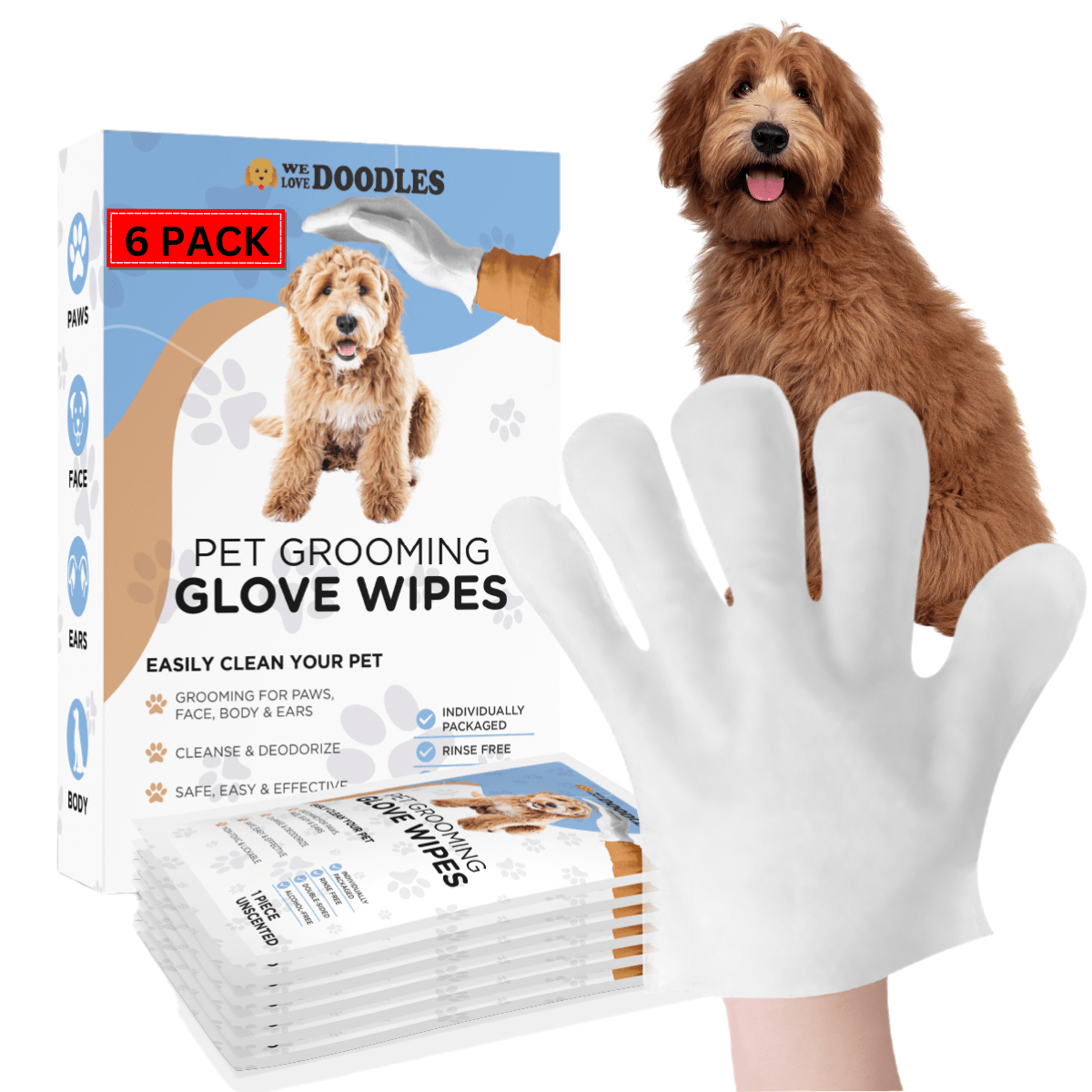
Never store gloves with other dirty grooming tools. Cross-contamination can spread germs.
Credit: shop.welovedoodles.com
Comparison: Cleaning Pet Grooming Gloves Vs. Other Grooming Tools
Cleaning grooming gloves is different from cleaning brushes, combs, or clippers. Here’s a quick comparison:
| Tool | Cleaning Method | Frequency | Difficulty |
|---|---|---|---|
| Grooming Gloves | Hand wash, mild soap, air dry | Weekly | Easy |
| Brushes/Combs | Remove fur, soak, scrub | Monthly | Moderate |
| Clippers | Disassemble, clean blades, oil | After each use | Hard |
Gloves are easier and faster to clean, but need frequent washing. Brushes and combs hold onto fur but don’t trap oils as much. Clippers require the most care and cleaning.
How To Tell If Your Grooming Gloves Need Replacement
Even with good care, grooming gloves don’t last forever. Here are signs you need to replace them:
- Nubs or palms are torn or missing.
- Odors remain after cleaning.
- Gloves lose grip and don’t remove fur well.
- Material feels stiff or cracked.
- Skin irritation in pets after use.
Most gloves last 6–12 months with regular use. If you groom daily, expect to replace gloves more often.
Cleaning Gloves For Different Pet Types
Each pet has unique grooming needs. Cleaning gloves used for different animals may require extra care.
Dogs
Dogs shed a lot and have natural oils. Gloves used on dogs should be cleaned more often. Use pet-safe soap and sanitize monthly.
Cats
Cats are sensitive. Avoid strong cleaners and rinse gloves thoroughly. Some cats react to scents, so keep gloves scent-free.
Rabbits And Small Animals
Use gentle detergents. Avoid scrubbing too hard. Gloves used for small animals should be washed after each use.
Horses And Large Pets
Gloves get dirtier due to mud and sweat. Deep clean regularly and check for damage.
The Role Of Sanitizing In Pet Grooming Glove Care
Sanitizing is more than just washing—it’s about killing germs and keeping your pet safe. Experts recommend sanitizing gloves at least once a month, or after grooming sick pets.
- Use hydrogen peroxide or white vinegar.
- Avoid bleach unless gloves are bleach-safe.
- Rinse thoroughly after sanitizing.
Sanitizing reduces risk of skin infections and keeps gloves smelling fresh.
Eco-friendly Ways To Clean Pet Grooming Gloves
Many pet owners want to avoid harsh chemicals. Here are eco-friendly cleaning tips:
- Use baking soda as a natural deodorizer.
- Clean with castile soap or plant-based detergents.
- Sanitize with vinegar.
- Air dry instead of using a machine.
Eco-friendly cleaning is safe for pets and the environment. It’s also cheaper and easy to do at home.
How To Clean Gloves With Built-in Velcro Or Straps
Some gloves have velcro or straps for better fit. Dirt and fur get trapped in these parts. To clean them:
- Use a toothbrush to scrub velcro.
- Rinse straps thoroughly.
- Dry straps completely to prevent mold.
Velcro can lose stickiness if not cleaned regularly. If straps are damaged, replace gloves.
Quick Cleaning Hacks For Busy Pet Owners
If you are in a rush, try these hacks:
- Use sticky tape to pull off fur quickly.
- Rinse gloves in a bucket with soap, shake, and air dry.
- Use a damp cloth for spot cleaning.
- Keep a second pair of gloves for backup.
These tricks save time but don’t replace deep cleaning.
Pet Grooming Gloves And Allergies
Dirty gloves can make allergies worse for both pets and humans. Regular cleaning removes allergens like dander and pollen. If allergies are a concern:
- Wash gloves after every use.
- Sanitize often.
- Store gloves away from other cleaning products.
Clean gloves are a simple way to reduce allergy symptoms.
Comparing Diy Cleaning Vs. Professional Cleaning Services
Some pet salons offer glove cleaning as part of their grooming service. Here’s how DIY compares to professional cleaning:
| Cleaning Method | Cost | Effectiveness | Convenience |
|---|---|---|---|
| DIY Cleaning | Low | Good | High |
| Professional Service | High | Excellent | Low |
DIY cleaning is cheaper and quick. Professional cleaning is more thorough but costly and less convenient.
Non-obvious Insights: What Most Pet Owners Miss
Many pet owners focus only on removing fur. But here are some things beginners miss:
- Oils and dander stick to gloves and can spread skin problems.
- Gloves used for different pets can cross-contaminate diseases.
- Not drying gloves fully can lead to mold and bad smells.
- Cleaning gloves regularly extends their life and saves money.
Another common oversight is not checking glove seams. Dirt and bacteria can build up in seams and edges, so pay attention to these areas during cleaning.
Credit: www.premier1supplies.com
Practical Advice For Long-lasting Pet Grooming Gloves
To keep your gloves in great shape:
- Clean after every use, not just when dirty.
- Use mild, pet-safe products.
- Air dry thoroughly.
- Store gloves properly.
- Replace gloves when worn out.
With good care, gloves will last longer and work better. Your pet will enjoy grooming, and you’ll avoid health problems.
Frequently Asked Questions
How Often Should I Clean Pet Grooming Gloves?
Clean gloves after each grooming session by removing loose fur and rinsing them. Do a full wash with soap once a week. Sanitize monthly or after grooming sick pets.
Can I Put Pet Grooming Gloves In The Washing Machine?
Some fabric gloves are machine washable, but silicone and rubber gloves should be hand washed. Always check the care label before using a washing machine.
What’s The Best Soap For Cleaning Grooming Gloves?
Use mild dish soap or a pet-safe detergent. Avoid harsh chemicals, bleach, or scented soaps that can irritate your pet’s skin.
How Do I Remove Tough Stains From Gloves?
Spot clean with a soft brush and mild detergent. For deep stains, soak gloves in soapy water for 30 minutes and scrub gently. For fabric gloves, try a stain remover safe for pets.
Are There Professional Cleaning Services For Grooming Gloves?
Yes, some pet salons offer glove cleaning services. These can be more thorough but are often costly. DIY cleaning is usually enough for most pet owners. You can learn more from the American Veterinary Medical Association.
Cleaning your pet grooming gloves is not difficult, but it’s easy to overlook. Regular, proper cleaning keeps your gloves effective, your pet happy, and your home healthier. With these tips, you can confidently care for your grooming gloves and enjoy better grooming sessions every time.