

Is your furry friend always searching for a warm, cozy spot to rest? Imagine giving your dog a special bed that keeps them snug and toasty, even on the coldest days—without needing electricity or batteries.
You might think it’s complicated or expensive, but making a self-heating dog bed is easier than you expect. In this guide, you’ll discover simple steps and clever tricks to create a comfortable haven your dog will love. Ready to make your pet’s comfort your priority?
Let’s get started!

Credit: khpet.com
Choosing Materials
Choosing the right materials is key to making a safe and cozy self heating dog bed. The materials affect comfort, warmth, and durability. Picking fabrics, insulation, and heating parts carefully helps keep your pet warm and safe during cold days.
Selecting Fabric Types
Choose soft, durable fabrics for your dog bed’s outer layer. Cotton and fleece work well. These fabrics feel gentle on your dog’s skin. They also let air pass through, preventing overheating. Avoid rough or synthetic fabrics that might irritate your pet.
Insulation Options
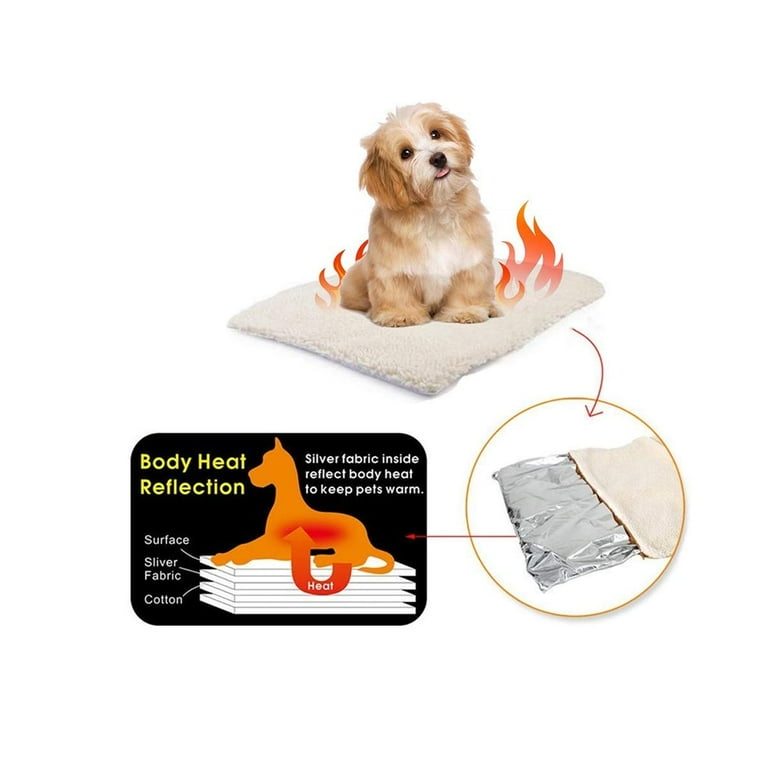
Insulation helps keep heat inside the bed. Foam or polyester batting are good choices. They trap warmth and keep the bed cozy. You can also use reflective materials to direct heat back to your dog. Make sure insulation is lightweight and safe for pets.
Safe Heating Elements
Choose heating elements made for pet use. Low voltage heating pads or heat packs work well. They provide steady warmth without getting too hot. Avoid electric blankets or devices not designed for animals. Always check for safety certifications before use.
Designing The Bed
Designing the bed is the first step in making a self-heating dog bed. This part shapes how cozy and warm your dog will feel. The right design fits your dog’s size and habits. Comfort and safety are key. Each part of the bed must work well together. Think about how your dog sleeps and moves.
Size And Shape Considerations
Measure your dog while it lies down. Add extra space for stretching and turning. Choose a shape that matches your dog’s favorite resting pose. Round beds suit curled-up sleepers. Rectangular beds work for dogs who stretch out. Make sure the bed fits your space at home.
Adding Comfort Layers
Soft layers keep your dog cozy and warm. Use foam or cushioned pads for support. Cover these with soft fabric that is easy to clean. Add a washable blanket or cover for extra comfort. These layers trap heat and keep your dog snug.
Incorporating Heating Components
Select safe heating pads or self-warming materials. Place them under the comfort layers for gentle warmth. Check if the heating parts have automatic shut-off features. Use covers that protect your dog from direct contact. Ensure all electrical parts are secure and hidden.
Assembly Steps
Building a self heating dog bed is simple with clear steps. Follow these steps carefully for a safe and cozy bed your dog will love. Break down the process into three parts: preparing materials, sewing layers, and installing the heating element.
Cutting And Preparing Materials
Start by choosing soft and durable fabric for the bed’s cover. Cut two pieces of fabric to the size you want. Next, cut the inner insulating layer slightly smaller than the cover. This layer keeps heat inside the bed. Use scissors or a fabric cutter for clean edges. Make sure all pieces match up well before sewing.
Sewing The Layers Together
Place the fabric pieces right sides together. Put the insulating layer inside between the fabric. Pin them to hold in place. Sew around the edges, leaving one side open. Turn the bed inside out through the open edge. Sew the open side closed with a neat stitch. This creates a pouch to hold the heating element safely.
Installing Heating Mechanism
Choose a safe, pet-friendly heating pad or self-warming material. Insert it carefully into the pouch you made. Make sure the heating element fits well and does not move around. Secure it if needed with extra stitching or Velcro. Test the heating pad before closing the bed fully. Your dog will enjoy warmth and comfort safely.
Credit: www.walmart.com
Safety Tips
Safety is the top priority when making a self heating dog bed. A warm bed helps your pet feel cozy. But poor design or wrong materials can cause risks. This section shares key safety tips to keep your dog safe and comfortable.
Preventing Overheating
Never let the bed get too hot. Overheating can harm your dog’s skin and health. Use a thermostat or temperature sensor to control heat levels. Set a safe maximum temperature below 40°C (104°F). Check the bed often to ensure it stays warm but not hot.
Using Pet-safe Components
Choose parts made for pets. Heating pads must be non-toxic and have no sharp edges. Avoid materials that release harmful chemicals when warm. Use covers made from breathable, washable fabric. Secure all wires and plugs to stop chewing or biting risks.
Regular Maintenance
Clean the bed regularly to remove dirt and hair. Check for wear and tear on wires and heating elements. Replace damaged parts immediately to avoid electric shocks or fires. Test the heating function often to confirm it works safely. Keep the bed in a dry place to prevent moisture damage.
Alternative Heating Ideas
Alternative heating ideas help keep your dog warm without electricity. These options are safe, easy, and eco-friendly. They work well for cold nights and outdoor use. Choose what fits your dog’s needs and your lifestyle.
Microwaveable Inserts
Microwaveable inserts are simple heat sources. Fill them with grains or gel and warm in the microwave. They release gentle heat for hours. Place the insert inside the dog bed for cozy warmth. These inserts are reusable and safe if used correctly.
Solar-powered Warmers
Solar-powered warmers use sunlight to generate heat. They are great for sunny days and outdoor spaces. These warmers charge during the day and provide heat at night. No electricity bills or cords needed. Ideal for eco-conscious pet owners.
Battery-operated Pads
Battery-operated pads offer portable warmth anywhere. They run on rechargeable batteries for several hours. Perfect for travel or places without power. These pads have adjustable heat settings for comfort. Easy to clean and lightweight for convenience.
Cost And Time Estimates
Estimating the cost and time helps plan your self heating dog bed project well. Knowing these details avoids surprises and keeps the process smooth. It also helps choose the right materials and set realistic goals.
Budgeting Materials
Basic materials include fabric, heating pads, and stuffing. Fabric costs range from $10 to $30 depending on quality. Heating pads usually cost between $15 and $40. Stuffing or foam costs about $10 to $25. Expect total costs around $35 to $95. Choosing reusable or homemade parts can lower expenses. Keep a small budget for tools or extra supplies. Prices may vary by location and store.
Estimated Build Time
Simple designs take about 2 to 4 hours to build. More complex beds with sewing and wiring might need 5 to 7 hours. Time depends on your skill and tools. Preparing materials can add extra time. Plan breaks to avoid mistakes. Setting realistic time helps finish the project without stress.

Credit: www.youtube.com
Frequently Asked Questions
What Materials Are Needed For A Self Heating Dog Bed?
You need reflective insulation, soft fabric, and a cozy cushion. Reflective insulation retains your dog’s body heat effectively. Soft fabric ensures comfort. These materials are affordable and easy to find at craft or hardware stores.
How Does A Self Heating Dog Bed Work?
It uses your dog’s body heat trapped by reflective insulation. The insulation reflects warmth back to your pet. This keeps your dog warm without electricity or batteries. It’s a safe, energy-efficient solution for cold weather.
Can I Wash A Self Heating Dog Bed?
Yes, most self heating dog beds are washable. Remove the reflective insulation before washing. Use mild detergent and cold water for fabric parts. Air dry the bed to maintain insulation quality and fabric softness.
Is A Self Heating Dog Bed Safe For All Dogs?
Yes, it is safe for dogs of all ages and sizes. The bed doesn’t use electricity, reducing fire risk. Reflective materials are non-toxic. Always check for wear and replace if damaged to ensure safety.
Conclusion
Creating a self heating dog bed helps keep your pet warm and cozy. It uses simple materials you can find easily. This project saves money and adds comfort for your dog. Your pet will enjoy a snug place during cold days.
Try making one and see how happy your dog feels. A warm bed shows you care without extra cost. Give your furry friend a cozy spot to rest. Simple steps bring big comfort to your dog’s life.