

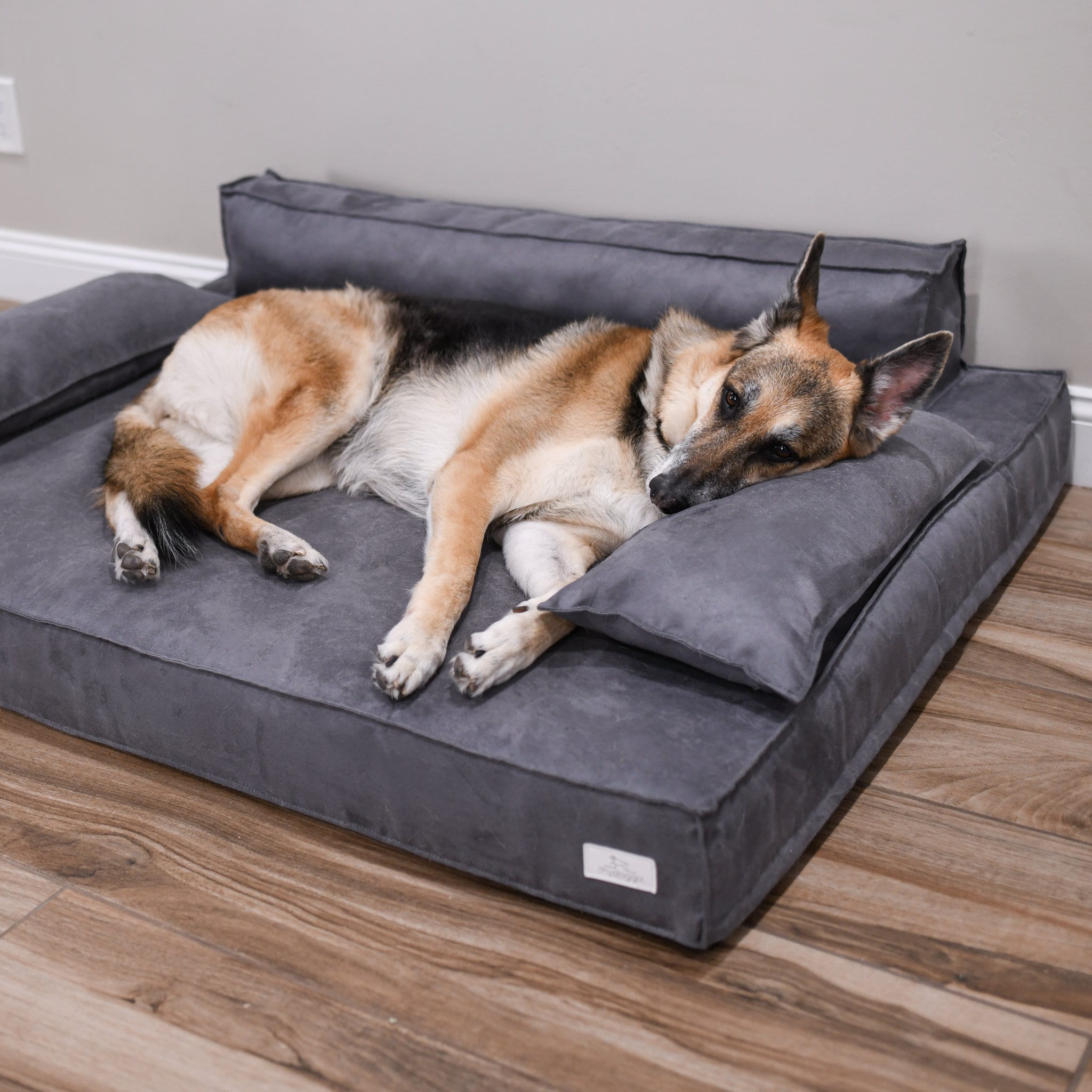
If your dog struggles with joint pain or stiffness, giving them the right bed can make all the difference. An orthopedic dog bed supports their body and helps ease discomfort, letting your furry friend rest better and feel happier.
But buying one can be expensive, and you might worry about finding the perfect fit. What if you could make an orthopedic dog bed yourself, tailored exactly to your dog’s needs? You’ll discover simple steps to create a cozy, supportive bed that shows your dog just how much you care.
Keep reading, and you’ll learn how to give your dog the comfort they deserve—without breaking the bank.
Credit: celularia.com.br
Benefits Of Orthopedic Dog Beds
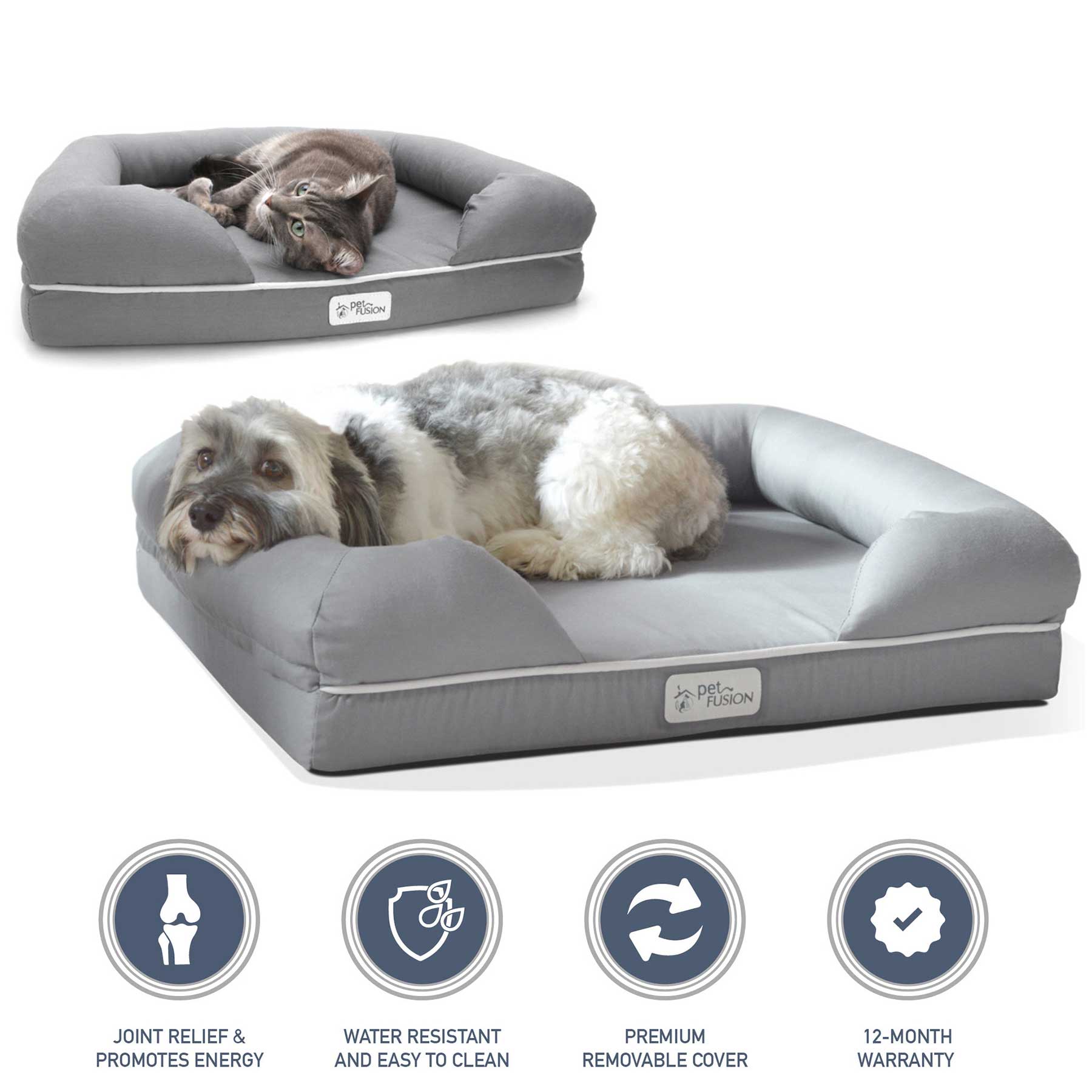
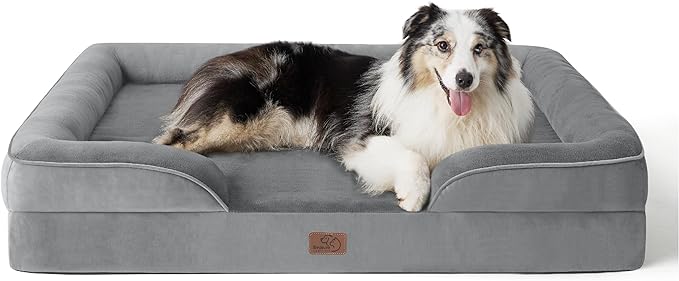
Orthopedic dog beds offer many benefits for pets of all ages. They provide comfort and support that regular beds often miss. These beds help dogs stay healthy and happy by easing pressure on their bodies. Understanding these benefits shows why orthopedic beds are a smart choice for your dog.
Support For Joint Health
Orthopedic beds use special foam to support joints. This foam cushions bones and reduces pressure. It helps prevent joint pain and stiffness. Dogs with arthritis or hip problems find relief. Proper support keeps joints aligned and healthy.
Improved Sleep Quality
Comfortable support leads to better sleep. Dogs rest deeply without tossing or turning. Good sleep boosts energy and mood. Orthopedic beds help dogs relax fully at night. Restorative sleep improves overall health and behavior.
Relief For Senior Dogs
Older dogs often suffer from aches and pains. Orthopedic beds ease these discomforts. They reduce swelling and soothe tired muscles. Senior dogs enjoy more restful naps and less stress. This comfort helps them stay active and happy longer.
Materials Needed
Gathering the right materials is the first step to making an orthopedic dog bed. Choosing quality supplies ensures comfort and durability. This section covers the essential materials you will need.
Choosing The Right Foam
Foam is the heart of an orthopedic dog bed. Memory foam works best because it molds to your dog’s body. It supports joints and reduces pressure points. Look for high-density foam for long-lasting comfort. Avoid cheap, thin foam that breaks down quickly.
Fabric Options
Select fabric that is soft and durable. Cotton and polyester blends are good choices. They are easy to clean and breathable. Waterproof fabric helps protect the foam from accidents. Choose colors and patterns that match your home decor.
Additional Supplies
You will need basic sewing tools like scissors and needles. Strong thread will hold the fabric securely. A zipper or Velcro makes the cover removable for washing. Measuring tape helps get the right size. Extra padding or stuffing can add comfort.
Measuring Your Dog
Measuring your dog is the first step to making a perfect orthopedic dog bed. The right size ensures comfort and support. A bed that fits well helps your dog rest better and reduces joint pain. Take your time to measure carefully. Use a soft tape or a ruler. Note down the measurements for later use.
Determining Bed Size
Measure your dog from nose to tail. Include the tail length if your dog likes to stretch. Measure from the top of the head to the base of the tail for a snug fit. Add a few inches for extra space. This allows your dog to move and change positions comfortably. A bed too small can cause discomfort. Too large may not provide the needed support.
Considering Dog’s Sleeping Position
Watch how your dog sleeps. Some curl up tightly. Others like to sprawl out fully. If your dog curls, a round or oval bed works best. For dogs that stretch out, a rectangular or larger bed is better. Consider extra length if your dog stretches legs forward or backward. Match bed shape and size to sleeping habits. This ensures your dog’s joints stay supported all night.
Cutting And Shaping Foam
Cutting and shaping foam is a key step in making an orthopedic dog bed. The foam provides support and comfort. It needs to fit your dog’s size and sleeping style. Careful cutting and shaping help create the perfect bed. This section explains how to select foam density and shape it for maximum comfort.
Selecting Foam Density
Choose foam with the right density for your dog’s needs. Higher density foam offers better support. It holds shape longer and relieves pressure on joints. Lower density foam is softer but may wear out fast. For older dogs or those with joint pain, firm foam works best. Measure your dog to decide the size and thickness of foam. Thick foam supports heavier dogs better. Pick foam that balances comfort and durability.
Shaping Tips For Comfort
Cut the foam carefully using a sharp knife or electric cutter. Mark the shape first with a marker or chalk. Smooth edges avoid discomfort and skin irritation. Round corners gently to prevent sharp edges. Consider adding a slight curve for neck or back support. Test the shape by pressing on it with your hand. Adjust curves and thickness as needed. Proper shaping ensures your dog rests in a cozy, supportive bed.
Sewing The Cover
Sewing the cover for your orthopedic dog bed is an important step. The cover protects the foam and keeps the bed clean. It also adds style and comfort for your dog. You can customize the cover to fit your dog’s needs and your home decor. This section explains simple sewing steps. Follow these tips for a neat, durable cover.
Fabric Cutting Techniques
Start by choosing the right fabric. Durable cotton or canvas works well. Use a ruler and fabric chalk to mark pieces. Cut fabric on a flat surface. Cut carefully to match the bed’s shape. Leave extra fabric for seams, about one inch. Sharp scissors help make clean cuts. Cutting fabric right makes sewing easier and the cover fit better.
Adding Zippers Or Velcro
Zippers or Velcro make the cover easy to remove and wash. Choose a zipper that matches the fabric color. Sew the zipper along one side of the cover. Use pins to hold it in place. Sew slowly for a neat finish. Velcro is a good choice for simple covers. Attach Velcro strips to the edges. Both options keep the cover secure but easy to open.
Waterproofing Options
Waterproof fabric protects the bed from spills and accidents. You can buy waterproof fabric or use a spray. Waterproof spray is simple to apply at home. Spray evenly and let it dry fully. Test a small fabric piece first. Waterproofing keeps your dog’s bed fresh longer. It is a smart choice for puppies or older dogs.
Credit: www.petmate.com
Assembling The Bed
Assembling the orthopedic dog bed is a simple and important step. It brings together all parts for a cozy and supportive rest place. Careful assembly ensures the bed lasts long and feels great for your dog.
Inserting Foam Into Cover
Start by taking the foam pieces out of their packaging. Check if the foam is clean and free of damage. Hold the cover open wide enough to slide the foam inside easily. Gently push the foam into the cover, starting with the largest piece. Make sure the foam fits snugly without bending or folding. Smooth out any wrinkles to keep the surface even.
Securing The Cover
Close the cover using the zipper or Velcro strip provided. Run your fingers along the edges to ensure the closure is tight. A secure cover keeps the foam in place and stops dirt from getting inside. If the cover has buttons or snaps, fasten them firmly. Double-check the closure before placing the bed in your dog’s resting area.
Maintenance Tips
Keeping your orthopedic dog bed in good shape helps your pet stay comfortable and healthy. Proper care extends the bed’s life and keeps it clean. Follow simple steps to maintain the bed well.
Cleaning Instructions
Remove the cover and wash it regularly. Use mild detergent and cold water to protect the fabric. Avoid bleach or strong chemicals that can damage the material. Air dry the cover to keep its shape. Spot clean the foam with a damp cloth. Let it dry completely before putting the cover back.
Replacing Foam When Needed
Check the foam for signs of wear or damage often. If it feels flat or loses support, it is time to replace it. Choose high-quality memory foam for the best comfort. Cut the foam to fit the bed’s size exactly. Replace the foam to keep your dog’s bed supportive and cozy.
Customizing Your Bed
Customizing your orthopedic dog bed makes it perfect for your pet’s needs. It also reflects your style and home decor. Small changes can boost comfort and add charm. This section covers ways to personalize the bed easily.
Adding Extra Padding
Extra padding increases comfort and support for your dog. Use memory foam or thick foam layers for better joint relief. Cut foam to fit the bed size exactly. Cover foam with a soft, washable fabric for hygiene. Add a removable top layer for easy cleaning. Padding thickness depends on your dog’s size and health.
Decorative Elements
Decorations make the bed inviting and match your room. Choose fabrics with colors or patterns your dog likes. Sew or glue fabric trims, like ribbons or piping, around edges. Add a name tag or embroidered patch for a personal touch. Use safe materials that do not irritate your pet’s skin. Keep decorations simple to avoid choking hazards.
Credit: caninearthritis.org
Frequently Asked Questions
What Materials Are Best For Orthopedic Dog Beds?
Memory foam is ideal for orthopedic dog beds. It supports joints and relieves pressure. Use durable, washable covers for hygiene and comfort.
How To Choose The Right Size For An Orthopedic Dog Bed?
Measure your dog’s length and width while lying down. Add extra space for stretching. Choose a bed that fits your dog’s sleeping style.
Can I Make An Orthopedic Dog Bed At Home?
Yes, you can create one using memory foam and sturdy fabric. Cut foam to size and sew a removable cover. This saves money and customizes comfort.
How Often Should I Replace An Orthopedic Dog Bed?
Replace every 2-3 years or when foam loses support. Worn beds can reduce joint relief and comfort. Regularly check for damage or odor.
Conclusion
Making an orthopedic dog bed helps your pet stay comfortable and healthy. You can choose soft materials that support joints well. A good bed reduces pain and helps dogs sleep better. It also keeps your dog warm and cozy. You don’t need special tools or skills to create one.
Just follow simple steps and use safe materials. Your dog will thank you with more energy and happiness. Try making an orthopedic bed today and see the difference it makes. Caring for your pet has never been easier or more rewarding.