

Potty training your dog can feel overwhelming, especially if you’re not sure where to start. If you’ve chosen to use pads, you might wonder how to make the process smooth and stress-free for both you and your furry friend.
You want your home to stay clean, and you want your dog to learn quickly. This guide will show you simple, effective steps to potty train your dog with pads, helping you avoid frustration and accidents. Keep reading, and you’ll discover easy tips that make potty training a success from day one.
Choosing The Right Pads
Choosing the right potty pads is key for successful dog training. Good pads protect your floors and make cleanup easy. The right pads also help your dog learn faster. Different pads suit different needs and dogs. Let’s explore what to consider when picking pads.
Types Of Potty Pads
There are several types of potty pads available. Regular pads absorb urine and control odor. Some have attractant scents to guide dogs. Eco-friendly pads use natural materials and break down faster. Choose pads based on your dog’s habits and your preferences.
Size And Absorbency
Pick a pad size that fits your dog’s body. Larger dogs need bigger pads to avoid messes. Check pad absorbency to prevent leaks. High-absorbency pads keep floors dry longer. Change pads often to maintain cleanliness and freshness.
Placement Tips
Place pads in quiet, low-traffic areas. Keep pads where your dog likes to go. Avoid moving pads too often to reduce confusion. Use a consistent spot to help your dog learn quickly. Clean nearby areas to keep the space inviting.
Preparing Your Space
Preparing your space is the first step in potty training your dog with pads. Creating the right environment helps your dog learn faster. A calm, clean area makes your dog feel safe and focused. Dogs respond well to consistency. Setting up a designated spot helps your dog know where to go.
Designating A Potty Area
Choose a quiet corner in your home for the potty pads. Pick a spot away from your dog’s food and sleeping area. This separation keeps your dog comfortable. It also reduces accidents in unwanted places. Use the same spot every time. Your dog will start to connect this area with potty time.
Setting Up A Comfortable Zone
Make the potty area inviting. Place the pads flat and smooth. Avoid folding or bunching them up. Add a small barrier if needed to keep pads in place. Keep the space clean and dry. Change pads often to prevent smells. A fresh area encourages your dog to use it regularly.
Introducing Your Dog To Pads
Introducing your dog to potty pads is the first step in indoor training. Dogs need time to adjust to new things. Patience and gentle guidance will help your dog learn quickly. Setting a calm and positive environment makes this training easier.
Start by showing your dog the pads. Let them sniff and explore without pressure. This builds comfort and curiosity. Your dog will soon associate the pads with a safe spot to go.
Encouraging Exploration
Place the pads in a quiet area. Avoid noisy or busy spots. Dogs like calm places for potty time. Allow your dog to walk around the pads freely.
Use treats to reward your dog near the pads. Praise your dog softly to create good feelings. Let your dog touch the pads with their nose or paws. Do not force your dog onto the pads.
Using Commands And Cues
Choose a simple word or phrase like “go potty.” Say it calmly each time your dog uses the pad. Repeat this consistently to build understanding.
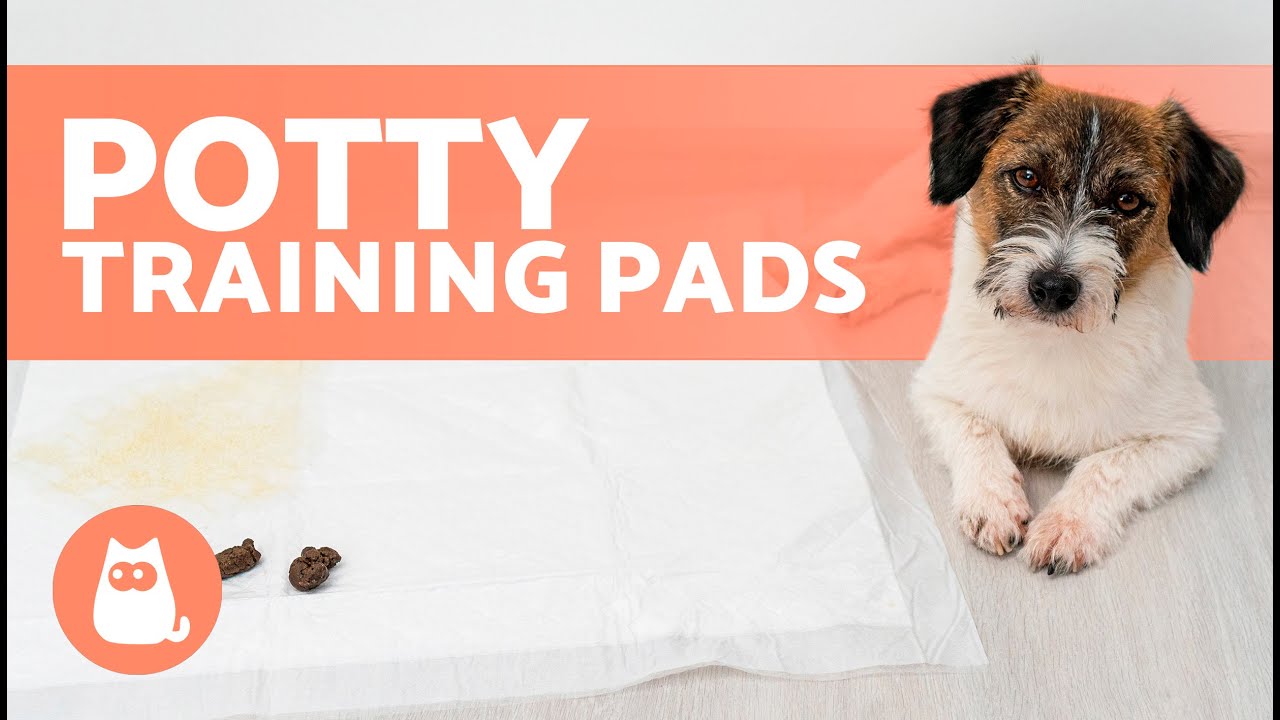
Watch for signs your dog needs to go, such as sniffing or circling. Bring your dog to the pad and use the command. Reward your dog after they use the pad correctly.
Credit: www.youtube.com
Establishing A Routine
Establishing a routine helps your dog learn when and where to potty. Dogs feel safe and confident with a clear schedule. It reduces accidents and speeds up training. Start by setting regular times for feeding and bathroom breaks. Keep these times steady every day.
Feeding And Potty Schedule
Feed your dog at the same times daily. This controls when your dog feels the need to go. After eating, your dog will usually need to potty soon. Take your dog to the potty pad within 15 to 20 minutes after meals. This timing helps your dog connect eating with potty time. Consistent feeding and potty times make training easier.
Consistent Timing
Take your dog to the potty pad often. At first, visit every two hours during the day. Also, take your dog out after naps and playtime. Use a timer or alarm to keep the schedule. Dogs learn faster when timing stays the same. Avoid waiting too long or changing times too much. Consistent timing builds strong potty habits quickly.
Positive Reinforcement Techniques
Positive reinforcement is a key method to teach your dog to use potty pads. It helps your dog learn by rewarding good behavior. This makes training faster and happier for both of you.
Using kind and clear signals shows your dog what you want. This way, your dog feels safe and eager to please. Positive reinforcement builds trust and confidence in your dog.
Treats And Praise
Give your dog a small treat right after they use the potty pad. This helps your dog connect the action with a reward. Use soft, tasty treats your dog loves.
Say “good job” or “well done” in a happy voice. Your dog will enjoy the praise and want to repeat the behavior. Use petting or a gentle scratch to add more reward.
Avoiding Punishment
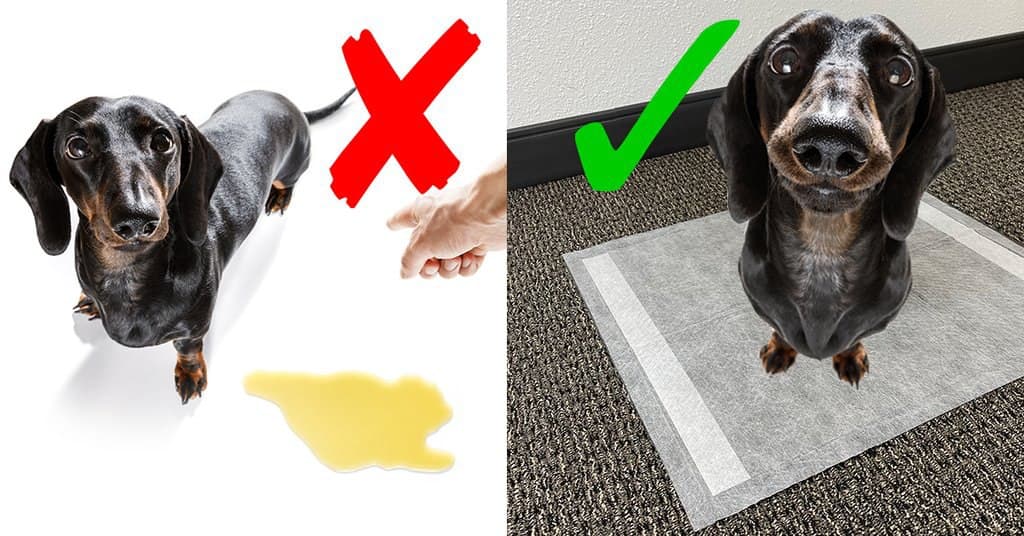
Do not scold or punish your dog for mistakes. Punishment can cause fear and confusion. Dogs learn best when they feel safe and loved.
Focus on rewarding good actions instead of punishing accidents. Clean up accidents quietly and remove any smells. This helps your dog understand where to go without stress.
Handling Accidents
Accidents happen during potty training with pads. They are part of the learning process for your dog. Handling these accidents well helps your dog learn faster and keeps your home clean. Stay calm and act quickly to manage accidents properly.
Cleaning Up Properly
Use paper towels or cloth to soak up the mess. Clean the area with a pet-safe cleaner. This removes smells that may attract your dog back to the spot. Dispose of used pads and cleaning materials safely. Avoid strong-smelling cleaners that can confuse your dog.
Staying Patient And Calm
Dogs sense your feelings. Stay calm during accidents to avoid stress. Speak softly and do not punish your dog. Encourage your dog with gentle words and praise when using the pad. Patience helps build trust and makes training smoother.
Transitioning Away From Pads
Transitioning away from pads is an important step in your dog’s potty training. Pads help your dog learn where to go inside. But moving them to outdoor training is better for long-term habits. This change needs patience and clear steps. Follow a simple plan to help your dog adjust smoothly.
Gradual Reduction
Start by using fewer pads each day. Move the remaining pads closer to the door. This teaches your dog to go near the exit. Watch your dog carefully. Praise and reward them when they use the pads correctly. Slowly remove the pads over several days. This helps your dog understand they must go outside soon.
Moving To Outdoor Training
Take your dog outside at regular times. Use the same spot every time for consistency. Give clear commands like “go potty” to help them learn. Stay with your dog until they finish. Praise and give treats immediately after they go outside. Be patient if accidents happen. Keep a routine to build good habits fast.
Credit: temperville.com.br

Credit: www.youtube.com
Frequently Asked Questions
What Is The Best Way To Start Potty Training With Pads?
Begin by placing pads in a consistent spot. Encourage your dog to use them after meals or naps. Reward them immediately for using the pad correctly. Consistency and patience are key to successful training.
How Long Does Potty Training With Pads Usually Take?
Training time varies by dog age and breed. Most dogs learn pad use within 2 to 4 weeks. Regular reinforcement and patience speed up the process. Avoid punishment to maintain trust and progress.
Can Puppies Be Potty Trained Using Pads Effectively?
Yes, puppies adapt well to pad training. Pads offer a safe indoor bathroom option for young dogs. Start training early and supervise closely. Frequent bathroom breaks and positive reinforcement improve success.
How Do I Prevent My Dog From Chewing Potty Pads?
Use pads with bitter sprays or place them under a grate. Distract your dog with toys and training when near pads. Consistent supervision and redirection reduce chewing behavior over time.
Conclusion
Potty training a dog with pads takes patience and consistency. Stay calm and reward your dog for good behavior. Change pads often to keep the area clean and inviting. Watch your dog’s signals and guide them gently. Remember, every dog learns at their own pace.
Celebrate small successes along the way. Soon, your dog will understand where to go. This method helps keep your home clean and your dog happy. Keep practicing, and you will see progress. Potty training can be simple with care and time.