
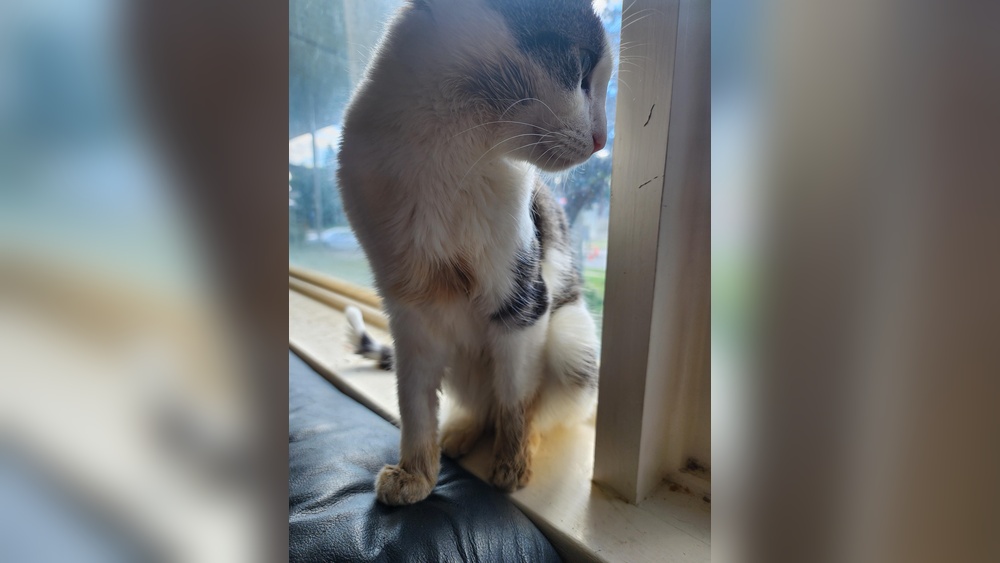
Grease on cat fur is a stubborn problem many pet owners face. Whether it comes from motor oil, cooking spills, or even cat acne, greasy fur can be uncomfortable and unhealthy for your feline friend. This guide will help you understand why grease sticks to cat fur, how to remove it safely, and what mistakes to avoid.
You’ll find practical methods, expert advice, and real examples to make sure your cat stays clean and comfortable.
Why Cats Get Grease On Their Fur
Cats are curious animals. They often squeeze into tight spaces, explore garages, or walk across kitchen counters. This behavior exposes them to various greasy substances, such as engine oil, cooking fats, and even human hair products. Sometimes, grease comes from their own bodies due to conditions like seborrhea or cat acne, which causes excess oil production.
Unlike dirt, grease doesn’t wash away easily. It clings to the fur, making it sticky and unpleasant. If left untreated, grease can lead to skin irritation, matting, or even more serious health issues. Cats may also ingest harmful substances when grooming themselves.
The Risks Of Grease On Cat Fur
Grease is more than just a cosmetic issue. It can cause:
- Skin irritation and itching
- Matting and clumping of fur
- Infections if bacteria get trapped under the grease
- Toxicity if the grease is from chemicals or motor oil
- Digestive upset if the cat licks and swallows grease
Grease also makes it harder for cats to groom themselves. This can lead to stress and behavioral changes. Owners need to act quickly to remove grease and prevent health problems.
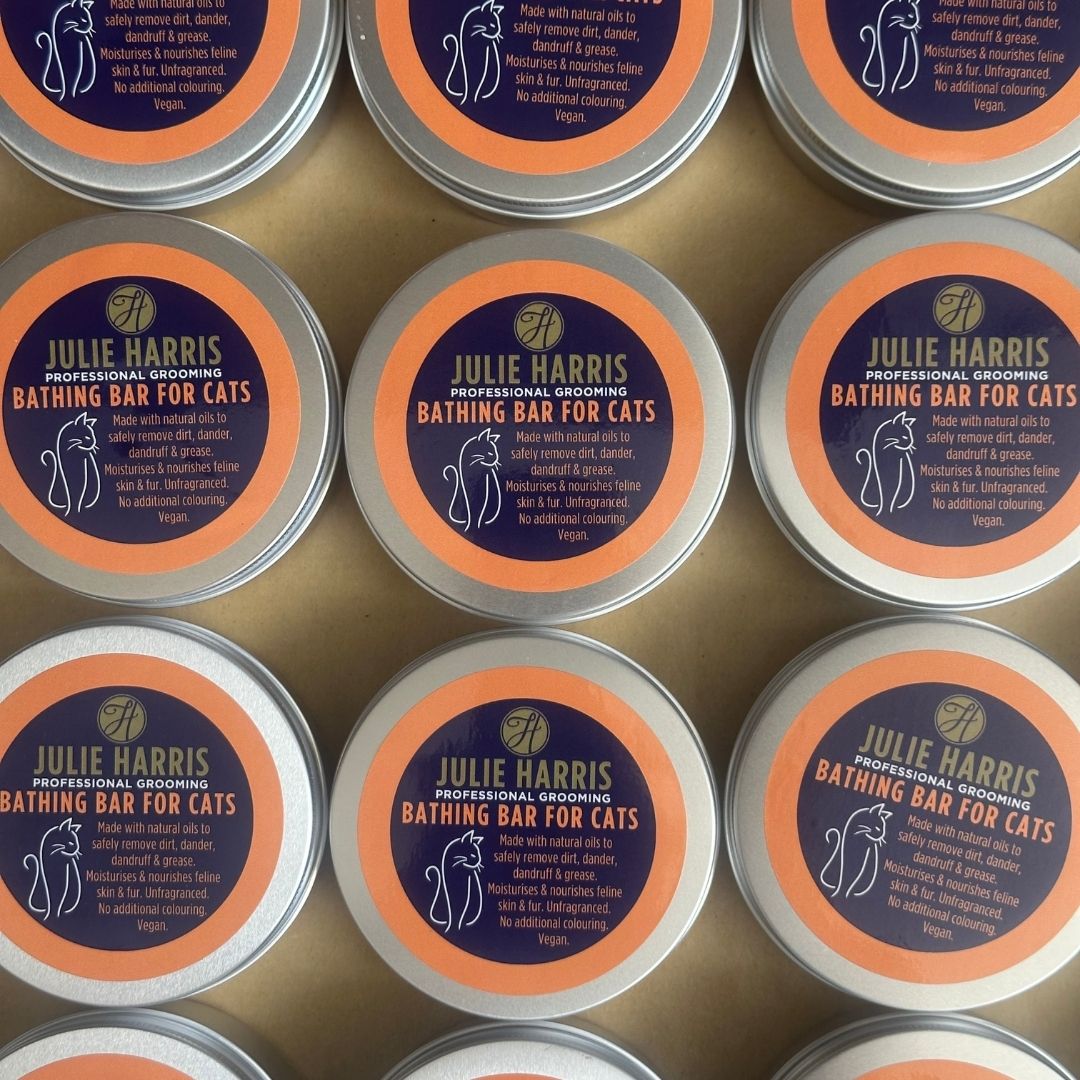
Credit: www.julieharrisgroomer.com
Understanding Cat Fur And Grease Removal
Cat fur is delicate. It has natural oils that keep it soft and shiny. Harsh chemicals or rough handling can damage the fur and skin. Successful grease removal means choosing the right products and methods that clean without causing harm.
The table below shows how common types of grease compare in terms of removal difficulty:
| Type of Grease | Removal Difficulty | Potential Risks |
|---|---|---|
| Cooking Oil | Moderate | May cause skin irritation |
| Motor Oil | High | Toxic if ingested |
| Body Oil (Seborrhea) | Low | Can lead to matting |
| Cosmetic Grease | Moderate | May contain harmful chemicals |
Preparing For Grease Removal
Before removing grease, you need to prepare both yourself and your cat. Cats are sensitive to stress and dislike water or unfamiliar smells.
Steps to prepare:
- Gather supplies: You will need gloves, a mild cat-safe shampoo, towels, a comb, and possibly cornstarch or dish soap (more on these later).
- Choose a safe space: Pick a quiet, enclosed room where your cat can’t escape easily.
- Calm your cat: Speak softly, offer treats, and let your cat smell the supplies. If your cat is very anxious, consider asking someone to help you gently hold them.
- Check the grease: Identify the type and amount of grease. This helps you choose the best cleaning method.
Some owners skip preparation, leading to spilled water, scratched arms, and a stressed cat. Taking a few minutes to get ready makes the process smoother for everyone.
Safe Methods To Remove Grease From Cat Fur
There are several ways to remove grease from cat fur. The right method depends on the type of grease, the amount, and your cat’s temperament. Let’s look at the most effective options.
1. Using Cornstarch Or Baking Soda
Cornstarch and baking soda are gentle, absorbent powders. They work well for small grease spots and are safe for most cats.
How to use:
- Sprinkle cornstarch or baking soda directly onto the greasy area.
- Gently rub it in with your fingers.
- Wait 5–10 minutes. The powder absorbs the grease.
- Brush the powder out using a soft comb or brush.
This method is quick and less stressful, but it may not remove heavy or sticky grease. It’s a great first step or for mild cases.
2. Cat-safe Shampoo
Cat shampoos are designed for feline skin, which is more sensitive than human skin. Don’t use human or dog shampoos, as they can cause irritation.
How to wash:
- Wet the greasy area with lukewarm water. Avoid soaking the whole cat unless needed.
- Apply a small amount of cat shampoo and work it into the fur.
- Massage gently, avoiding rough scrubbing.
- Rinse thoroughly until no shampoo remains.
- Dry with a towel and keep your cat warm.
For stubborn grease, you may need to repeat the wash. Never use hot water or let shampoo sit on the skin for too long.
3. Dish Soap For Tough Grease
Some veterinarians recommend a tiny amount of unscented dish soap (such as Dawn) for very stubborn grease, like motor oil or cooking fat. Dish soap cuts through oil but can be drying, so use it sparingly.
How to use dish soap:
- Put on gloves to protect your hands.
- Apply a drop of dish soap to the greasy spot.
- Massage gently, then rinse with lukewarm water until all soap is gone.
- Follow up with a cat-safe shampoo to restore moisture.
- Dry and brush your cat’s fur.
This method is effective but should only be used for emergencies. Always rinse thoroughly, as leftover soap can irritate the skin.
4. Professional Grooming
If the grease is widespread, very sticky, or your cat is aggressive, professional grooming may be the best option. Groomers have tools and experience to handle tough cases.
When to seek help:
- The grease is covering large areas
- Motor oil or toxic substances are involved
- The cat is stressed or violent
- Home methods have failed
Professional groomers also check for skin issues or wounds under the grease. They can recommend products and tips for future care.
5. Spot Cleaning With Pet Wipes
Pet wipes are gentle and convenient for small spots. They won’t remove heavy grease but can help with minor spills or maintenance.
How to use:
- Pick unscented, cat-safe wipes.
- Rub the greasy spot gently.
- Use a comb to remove loosened grease and dirt.
Pet wipes are handy for quick fixes but not for deep cleaning. They are also good for touch-ups after other methods.
Step-by-step Guide: Removing Grease Safely
Let’s break down the process step by step, using a calm expert approach. Imagine your cat has a patch of cooking oil on their back.
- Calm your cat. Offer treats and speak softly.
- Assess the grease. Is it a small spot or a larger area?
- Apply cornstarch. For mild grease, use cornstarch and brush it out after 10 minutes.
- Wash with shampoo. For sticky or thick grease, use cat shampoo on the area. Rinse and dry.
- Try dish soap if needed. For stubborn oil, use a drop of dish soap, rinse, and follow up with shampoo.
- Dry and groom. Towel-dry your cat and comb their fur to prevent matting.
- Observe for irritation. Check the skin for redness, swelling, or signs of discomfort.
If the grease doesn’t come off after two tries, or if your cat reacts badly, contact a professional groomer or veterinarian.
Comparing Grease Removal Methods
Here’s a comparison of the most common methods, showing their pros and cons:
| Method | Effectiveness | Safety | Ease of Use |
|---|---|---|---|
| Cornstarch/Baking Soda | Moderate | High | Easy |
| Cat-Safe Shampoo | High | High | Moderate |
| Dish Soap | Very High | Moderate | Moderate |
| Professional Grooming | Very High | Very High | Difficult (needs travel) |
| Pet Wipes | Low | High | Easy |
Common Mistakes To Avoid
Removing grease seems simple, but many owners make errors that can harm their cat or worsen the problem.
- Using harsh chemicals: Never use human shampoos, bleach, or strong solvents.
- Rough handling: Cats bruise easily. Be gentle when massaging or combing.
- Leaving soap residue: Rinse thoroughly. Leftover soap can cause itching or rashes.
- Skipping drying: Wet fur mats and chills quickly. Always dry your cat after cleaning.
- Ignoring stress: Stressed cats may bite, scratch, or hide. Go slow and reward calm behavior.
One non-obvious insight is that some cats have allergies to certain products. Test any new shampoo or wipe on a small area first. Another tip: grease can hide injuries, so check for wounds under sticky fur.
How To Prevent Grease On Cat Fur
Prevention is easier than cleaning. Here’s how to keep your cat’s fur grease-free:
- Keep cats away from kitchens and garages. These areas have the most grease hazards.
- Clean surfaces regularly. Wipe counters, floors, and appliances to remove oils.
- Use pet-safe bedding. Some fabrics attract grease or trap oils.
- Treat skin conditions. If your cat has seborrhea or acne, ask your vet for special shampoos.
- Regular grooming. Brush your cat weekly to remove loose fur and oils.
Some owners overlook the importance of environmental control. For example, cats often crawl under cars or into engine spaces, picking up motor oil. Block access to these areas, especially for outdoor cats.
When To Call The Veterinarian
Sometimes home cleaning isn’t enough. Call your veterinarian if:
- The grease is from a toxic source (motor oil, chemicals)
- Your cat has wounds, swelling, or signs of infection
- Grease keeps coming back (could be a skin condition)
- Your cat is licking excessively or seems unwell
Veterinarians can prescribe medicated shampoos or check for underlying health problems. If you’re unsure about a product, ask your vet before using it.
Dealing With Cat Acne And Seborrhea
Cat acne and seborrhea are common causes of greasy fur. Cat acne appears as black spots or greasy patches, often on the chin. Seborrhea makes skin flaky and oily.
Treatment involves:
- Regular cleaning with mild cat shampoo
- Medicated wipes or ointments prescribed by the vet
- Avoiding plastic bowls (they can trigger acne)
- Monitoring diet and stress levels
These conditions are not always obvious. If grease keeps returning to certain areas, ask your vet to check for acne or seborrhea.
Real-life Example: Removing Motor Oil From Cat Fur
Suppose your cat wanders into the garage and gets motor oil on their fur. Motor oil is dangerous and hard to remove.
How to handle:
- Wear gloves. Motor oil is toxic to humans and pets.
- Isolate the cat. Keep them away from other pets and surfaces.
- Apply dish soap. Use a drop of unscented dish soap and massage gently.
- Rinse thoroughly. Use plenty of lukewarm water.
- Wash with cat shampoo. This restores moisture and removes soap residue.
- Dry and monitor. Keep your cat warm and check for signs of illness.
If your cat licked motor oil, call your vet immediately. Motor oil can cause vomiting, diarrhea, and neurological symptoms.
Cat Grooming Tools For Grease Removal
Certain tools make grease removal easier and safer:
- Fine-toothed comb: Removes powder and loosened grease.
- Soft brush: Helps distribute natural oils after cleaning.
- Pet-safe wipes: For spot cleaning.
- Absorbent towels: For drying and wrapping.
Some owners use hair dryers, but this can stress cats and cause burns. If you must use a dryer, set it on low and keep it far from the skin.
Aftercare And Monitoring
Once the grease is gone, keep an eye on your cat. Look for:
- Redness or swelling
- Excessive grooming
- Hair loss
- Changes in behavior
If you notice any of these, consult your vet. Sometimes, cleaning reveals hidden skin issues that need treatment.
Data On Cat Grooming Incidents
According to the American Veterinary Medical Association, skin and fur problems are among the top five reasons cats visit veterinarians. About 12% of cat owners report issues with sticky or greasy fur each year. Most cases are mild, but 3% involve toxic substances like motor oil or antifreeze.
The following table shows the frequency of different grease-related incidents:
| Source of Grease | Percentage of Cases | Severity |
|---|---|---|
| Cooking Oil | 42% | Moderate |
| Motor Oil | 17% | High |
| Cat Acne/Seborrhea | 29% | Low |
| Cosmetic Products | 12% | Moderate |
How Often Should You Clean Greasy Fur?
Cleaning greasy fur is not a daily task. Too much washing removes natural oils and irritates the skin. For most cats:
- Spot cleaning: As needed for spills
- Full washing: Only when grease is visible
- Regular grooming: Weekly brushing is enough for healthy cats
If your cat has a skin condition, follow your vet’s advice. Medicated shampoos may be needed on a schedule.
Tips For Stress-free Grease Removal
Cats dislike water and unfamiliar smells. Here are practical tips for making the process easier:
- Work in short sessions. Break the cleaning into steps if your cat is anxious.
- Use treats and praise. Reward calm behavior before, during, and after cleaning.
- Wrap your cat in a towel. This prevents scratches and keeps your cat calm.
- Have a helper. Two people make the process faster and safer.
- Avoid loud noises. Keep the environment quiet and peaceful.
Most owners don’t realize that cats sense your mood. If you’re stressed, your cat will be too. Stay calm and patient, even if the cleaning takes longer.
Should You Shave Greasy Fur?
Some owners consider shaving their cat to remove grease. This is rarely needed and can cause stress or injury.
Shaving is only recommended when:
- The grease is impossible to remove
- The fur is badly matted
- The vet advises it for medical reasons
If you must shave, ask a professional groomer. Never attempt it yourself, as cats move unpredictably and can be cut easily.
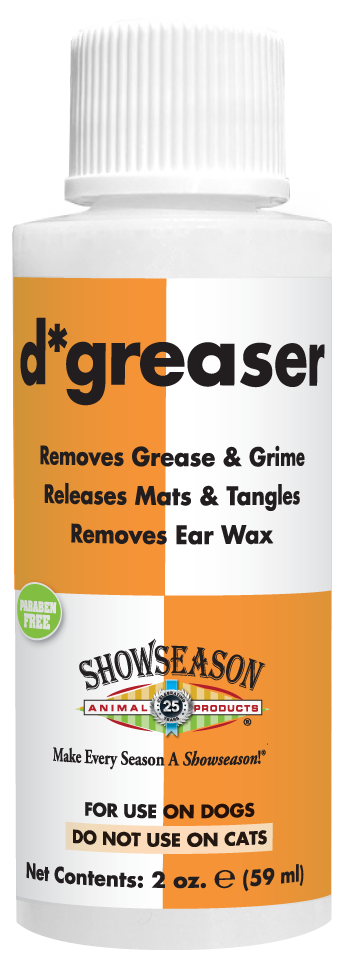
Credit: www.showseasongrooming.com
Natural Alternatives And Homemade Solutions
If you prefer natural cleaning, cornstarch and baking soda are safe options. Some owners use diluted apple cider vinegar, but this can sting and isn’t always effective.
Always test any homemade solution on a small patch of fur first. Never use essential oils, as they are toxic to cats.
Environmental Factors And Grease Hazards
Cats living in urban areas face more grease hazards. Garages, driveways, and kitchens are common sources. Indoor cats are safer but can still get greasy from kitchen spills or cosmetics.
Outdoor cats need extra monitoring. Block access to garages and engine spaces. Use pet-safe pest control and cleaning products.
Cat Breeds And Grease Susceptibility
Some breeds are more prone to greasy fur due to their coat type:
- Persians and Himalayans: Long fur traps grease easily.
- Sphynx cats: Lack of fur but oily skin.
- Maine Coons: Dense, water-resistant fur can hide grease.
Long-haired breeds need more frequent grooming. Short-haired cats are easier to clean but still need care.
Cleaning Multiple Cats
If you have several cats, grease can spread quickly. Clean the affected cat first, then check others for signs of grease or irritation. Use separate towels and combs to prevent cross-contamination.
Monitor group behavior. Some cats lick each other, spreading grease or chemicals. Isolate affected cats until they are clean.

Credit: www.amazon.ae
Educating Family Members
Everyone in the household should know how to prevent and handle greasy fur. Teach children not to feed cats in the kitchen or let them into garages. Share cleaning tips and keep supplies handy.
Pets thrive in safe, clean environments. Prevention saves time and stress for both cats and owners.
Frequently Asked Questions
How Dangerous Is Motor Oil On Cat Fur?
Motor oil is very dangerous. It contains toxic chemicals that can cause poisoning if licked or absorbed through the skin. If your cat gets motor oil on their fur, clean it immediately with dish soap and call your vet if they show signs of illness.
Can I Use Human Shampoo To Clean My Cat?
No. Human shampoo is too harsh for cats and can cause skin irritation or allergic reactions. Always use a cat-safe shampoo or consult your veterinarian for recommendations.
What If My Cat Hates Water?
Many cats dislike water. Try spot cleaning with cornstarch or pet wipes. If a full wash is needed, work in short sessions and use treats to calm your cat. Professional groomers can help with difficult cases.
How Do I Know If My Cat Has A Skin Condition Causing Greasy Fur?
Look for signs like persistent greasy spots, redness, blackheads, or flaking skin. Cat acne and seborrhea are common causes. If grease keeps coming back, consult your veterinarian for diagnosis and treatment.
Is It Safe To Let My Cat Outside After Cleaning?
Yes, but wait until your cat is fully dry and comfortable. Wet or recently cleaned fur can attract dirt and matting. If your cat had toxic grease (like motor oil), monitor them for signs of illness before allowing outdoor access.
Grease removal from cat fur is a challenge, but with patience and the right tools, you can keep your feline friend safe and comfortable. Remember to use gentle methods, avoid harsh chemicals, and seek professional help when needed. For more information on cat grooming and health, visit the Wikipedia page on Cat Grooming. Your cat will thank you with purrs and a shiny, clean coat.