
Cats are known for their soft, silky fur. But if you have a cat at home, you may have noticed that their coat sometimes develops knots or mats. These tangles are not just unsightly—they can cause pain, skin problems, and even affect your cat’s mood. Many owners worry when they spot knots in their cat’s fur, unsure how to fix the problem safely. The truth is, removing knots isn’t just a grooming task; it’s a careful process that needs patience and the right approach. If you want your cat to stay comfortable and healthy, understanding how to remove knots in their fur is crucial. This guide will help you learn why knots form, how to remove them step-by-step, and how to prevent them in the future. Whether you have a long-haired breed or a short-haired cat, you’ll find practical advice for every situation.
Why Do Cats Get Knots In Their Fur?
Knots, also known as mats, happen when loose hair and debris tangle together. Some breeds, like Persian or Maine Coon cats, are more prone to knots because of their long, thick coats. But even short-haired cats can get knots, especially if they’re older or not grooming themselves well.
Several factors contribute to knots:
- Breed: Long-haired breeds are at higher risk.
- Age: Older cats may groom less, leading to tangles.
- Health: Cats with arthritis or obesity may struggle to clean themselves.
- Environment: Dirt, dust, or moisture can make fur stick together.
- Shedding: Dead hair left in the coat creates knots.
Cats often hide discomfort, so knots can go unnoticed until they become severe. If mats are ignored, they pull on the skin, causing pain, redness, and even sores. Mats can also trap moisture and bacteria, leading to infections.
The Risks Of Ignoring Knots
It’s easy to underestimate knots, but they can cause real harm. Here are some dangers:
- Pain: Mats pull at the skin, creating discomfort.
- Skin problems: Sores, redness, and even infections can develop under knots.
- Restricted movement: Large knots can make it hard for cats to move.
- Behavior changes: Cats may hide, become irritable, or stop playing due to pain.
- Fleas and ticks: Mats provide shelter for parasites.
A study from the American Veterinary Medical Association found that neglected mats are one of the top reasons cats see veterinarians for skin problems. Early action is important.
:strip_icc()/how-to-de-mat-a-cat-552043-01-3bcd9ef0901041f4b5dc04c4c36c9bd8.JPG)
Credit: www.thesprucepets.com
Preparing To Remove Knots
Before you start removing knots, preparation is key. Cats are sensitive, and sudden actions can stress them. Here’s how to get ready:
- Check the knot’s severity: Is it small and loose, or tight and close to the skin?
- Gather tools: You’ll need a wide-tooth comb, a dematting tool, blunt-tip scissors, and a detangler spray (made for cats).
- Create a calm space: Choose a quiet room. Play soft music if your cat is nervous.
- Assess your cat’s mood: If your cat is anxious or aggressive, wait for a calm moment.
- Have treats ready: Small rewards help keep your cat relaxed.
It’s important to keep your cat comfortable. Never force your cat or rush the process.
Tools For Removing Knots
Different tools work for different types of knots. Here’s a simple comparison to help you choose:
| Tool | Best Use | Safety Level | Price Range |
|---|---|---|---|
| Wide-tooth comb | Loose knots, daily grooming | High | $5–$15 |
| Dematting tool | Moderate mats, long-haired cats | Medium | $10–$20 |
| Blunt-tip scissors | Small, stubborn mats | High (with care) | $5–$10 |
| Cat-safe detangler spray | Helps loosen knots | High | $8–$18 |
| Electric clippers | Severe mats close to skin | Medium (requires skill) | $30–$80 |
Most knots can be removed with a wide-tooth comb and patience. For severe mats, you may need a dematting tool or even electric clippers. If you’re unsure, ask a professional groomer.
Step-by-step: How To Remove Knots In Cats Fur
Removing knots is about patience and technique. Here’s a step-by-step guide:
1. Calm Your Cat
Start by gently petting your cat. Speak softly and offer a treat. If your cat is nervous, take a break and try later. Some cats feel safer when sitting on your lap.
2. Locate The Knot
Examine your cat’s coat. Part the fur and find the knot. Make sure you can see the skin underneath. If the knot is near sensitive areas (like the belly or armpits), be extra careful.
3. Loosen The Knot
Spray a little detangler (made for cats) on the knot. Wait a minute for it to soak in. Gently use your fingers to pull apart the knot. Never yank or pull hard.
4. Use A Wide-tooth Comb
Hold the base of the knot near the skin to prevent pulling. Start combing the end of the knot, working towards the base. If the knot is loose, it may come out easily. For tighter knots, comb gently and slowly.
5. Use A Dematting Tool (if Needed)
If the knot doesn’t come out with a comb, try a dematting tool. This tool has small blades that cut through mats without hurting the skin. Use short, gentle strokes.
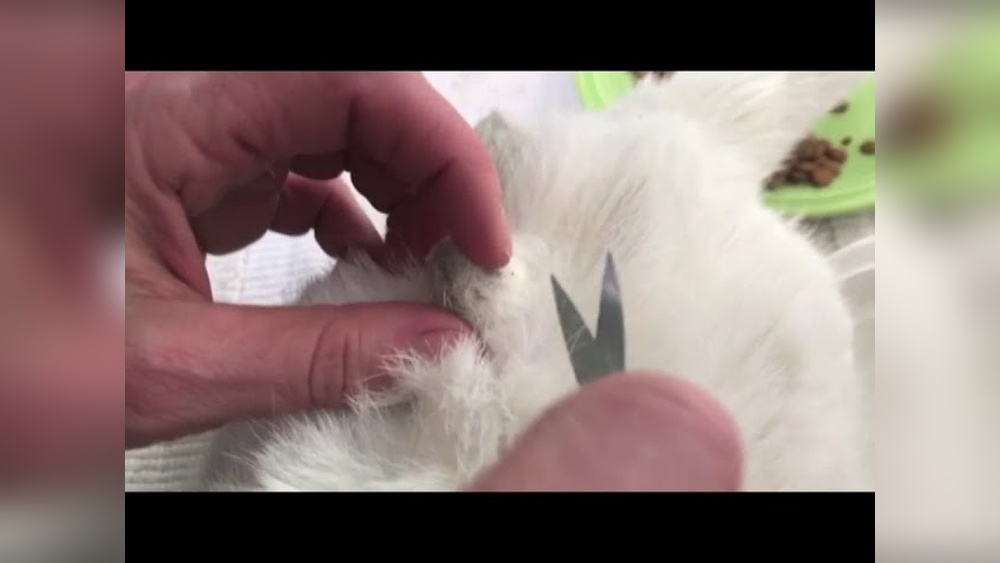
6. Cut Out Stubborn Mats
If the knot is very tight and close to the skin, you may need to cut it. Use blunt-tip scissors. Place your fingers between the skin and the knot, then carefully snip the mat. Always cut away from the skin.
7. Check For Skin Problems
After removing the knot, look at the skin underneath. If you see redness, sores, or pus, clean the area with a cat-safe antiseptic. If the skin looks bad, call your vet.
8. Reward Your Cat
Give your cat a treat and lots of praise. Positive reinforcement makes future grooming easier.
9. Repeat As Needed
If your cat has many knots, work on one or two per session. Don’t try to do everything at once. Multiple short sessions are better than one long, stressful session.
Tips For Different Types Of Cats
Every cat is unique. Some breeds need special care.
Long-haired Cats
Long-haired breeds like Persians or Ragdolls are prone to knots. Brush them every day. Use a detangler spray once a week. Check common knot areas: behind ears, under legs, and on the belly.
Short-haired Cats
Short-haired cats get knots less often. Weekly brushing is usually enough. Pay attention to older or overweight cats—they may not groom themselves well.
Senior Cats
Older cats often have arthritis or other health issues. They might avoid grooming. Help them by brushing gently, focusing on easy-to-reach areas. If your cat seems painful, talk to your vet about joint support.
Kittens
Kittens rarely get knots, but it’s good to start grooming early. Use a soft brush and keep sessions short. This builds trust and prevents future problems.
How Often Should You Groom Your Cat?
Regular Grooming Prevents Knots. But How Often Is Enough?
| Cat Type | Recommended Grooming Frequency | Notes |
|---|---|---|
| Long-haired | Daily | Essential to avoid mats |
| Short-haired | Weekly | More if shedding increases |
| Senior | 2–3 times/week | Focus on easy areas |
| Kittens | 2–3 times/week | Build grooming habits |
Grooming is not just about removing knots. It helps you spot health issues early, strengthens your bond with your cat, and keeps their coat shiny.
Common Mistakes When Removing Knots
Many cat owners make mistakes when trying to remove knots. Avoid these pitfalls:
- Pulling hard: This hurts your cat and damages the skin.
- Using human products: Only use sprays and tools made for cats.
- Cutting too close to the skin: This can cause injuries.
- Ignoring severe mats: Large, tight mats may need professional help.
- Rushing the process: Cats get stressed easily. Take your time.
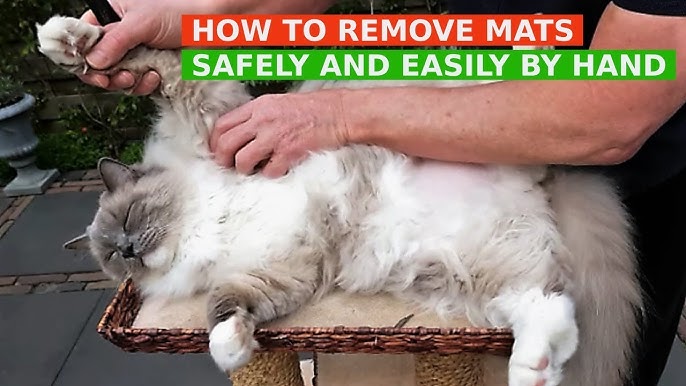
A non-obvious insight: Some cats develop knots because of underlying health problems. If your cat suddenly gets many mats, see your vet. It could be a sign of illness or pain.
Credit: www.youtube.com
When To See A Professional Groomer Or Vet
Not all knots can be handled at home. Here’s when you should seek expert help:
- The knot is very tight or covers a large area.
- The skin underneath is bleeding or infected.
- Your cat is aggressive or very stressed during grooming.
- You don’t feel confident using scissors or clippers.
Professional groomers have special tools and training. Vets can check for skin problems or health issues. Never risk hurting your cat if you’re unsure.
Preventing Knots: Best Practices
Preventing knots is easier than removing them. Here’s how:
- Regular brushing: Daily for long-haired, weekly for short-haired cats.
- Bathing (if needed): Some cats benefit from occasional baths. Use cat-safe shampoo.
- Healthy diet: Good nutrition keeps fur strong and less likely to tangle.
- Check for parasites: Fleas and ticks can cause itching, leading to knots.
- Keep your home clean: Dust and dirt stick to fur, causing tangles.
- Trim problem areas: Ask your groomer to trim areas prone to knots.
Many owners miss a simple tip: Use grooming as a bonding time. Cats respond well to gentle, positive attention.
Special Considerations: Cats With Medical Conditions
Cats with health issues often struggle with grooming. Arthritis, obesity, or dental problems can make self-cleaning hard.
- Arthritis: Cats may avoid moving, leading to knots. Support joints with supplements and gentle brushing.
- Obesity: Overweight cats cannot reach all areas. Help them by brushing their back and sides.
- Dental issues: Painful teeth reduce grooming. If your cat drools or avoids eating, see your vet.
If your cat has a medical condition, tailor your grooming. Be gentle and watch for signs of discomfort.
Safe Grooming Products For Cats
Not every grooming product is safe for cats. Look for these features:
- Hypoallergenic: Good for sensitive skin.
- Non-toxic: Only use sprays and shampoos made for cats.
- Easy-grip handles: Makes brushing easier for you.
- Detangling formula: Helps loosen knots.
Avoid products with strong perfumes or chemicals. Cats have sensitive skin and noses.
How Stress Affects Grooming
Cats are sensitive to stress. A stressed cat may avoid grooming, leading to knots. Common causes of stress include:
- Changes in routine
- New pets or people in the home
- Loud noises
If your cat is stressed, try these tips:
- Keep grooming sessions short
- Use calm, gentle movements
- Offer treats and praise
- Use pheromone sprays to relax your cat
Stress can also cause shedding, which increases the risk of knots.
Grooming Tools: What Works Best?
Let’s compare some popular grooming tools:
| Tool | Pros | Cons |
|---|---|---|
| Wide-tooth comb | Gentle, good for detangling | May miss small mats |
| Slicker brush | Removes loose hair, prevents mats | Can scratch sensitive skin |
| Dematting tool | Effective for tough knots | Requires skill |
| Electric clippers | Removes severe mats quickly | Risk of injury if used incorrectly |
Choose tools based on your cat’s coat and personality. If your cat dislikes brushing, try a glove brush.
:strip_icc()/how-to-de-mat-a-cat-552043-hero-5b73bb2c3cf44a52b2f6527f9478a4f2.jpg)
Credit: www.thesprucepets.com
Real-life Example: Removing Knots From A Persian Cat
Let’s look at a real example. Luna is a 3-year-old Persian with a thick coat. Her owner noticed knots behind her ears and under her legs.
Step 1: Luna’s owner started with gentle petting and treats.
Step 2: She used a detangler spray and waited for a minute.
Step 3: Using a wide-tooth comb, she slowly worked on the knots, starting at the ends.
Step 4: For stubborn mats, she used a dematting tool.
Step 5: One knot was too tight, so she carefully cut it with blunt-tip scissors, making sure her fingers protected Luna’s skin.
Step 6: After the session, Luna got a treat and lots of praise.
It took three short sessions to remove all knots without stress. Luna’s owner now brushes her daily and checks problem areas.
How To Make Grooming Easier
Some cats dislike grooming. Here’s how to make it smoother:
- Start grooming when your cat is relaxed—after eating or playing.
- Use gentle, slow movements.
- Try different tools to see what your cat likes.
- Keep sessions short (5–10 minutes).
- Use treats as rewards.
- Groom in a quiet space.
If your cat fights grooming, don’t force it. Try again later or ask a professional for help.
Cats With Sensitive Skin
Some cats have sensitive skin that reacts to grooming. If your cat gets red or itchy, try:
- Hypoallergenic grooming products
- Brushing less often, but more gently
- Avoiding rough tools
- Checking for allergies or parasites
Sensitive skin can make knots worse. If problems persist, see your vet.
What If You Accidentally Hurt Your Cat?
Accidents can happen. If you cut your cat’s skin or cause pain:
- Stop grooming right away.
- Clean the area with a cat-safe antiseptic.
- Watch for redness, swelling, or pus.
- If the wound is deep or your cat seems sick, call your vet.
Cats hide pain, so check them carefully after each grooming session.
The Role Of Nutrition In Fur Health
Healthy fur starts with good nutrition. Cats need:
- Protein: Builds strong, shiny hair.
- Omega-3 fatty acids: Reduce shedding and tangles.
- Vitamins A and E: Keep skin healthy.
A diet lacking these nutrients can lead to dull, tangled fur. For more on cat nutrition, visit ASPCA Cat Nutrition Tips.
Grooming As Bonding Time
Grooming is more than a chore—it’s a chance to bond. Cats love gentle attention. Use grooming sessions to build trust and affection.
- Talk softly to your cat.
- Pet them between brushing.
- Give treats and praise.
Some cats even purr during grooming. If your cat resists, don’t force them. Try again later.
Signs Your Cat Needs More Grooming
Watch for these signs:
- Clumps of fur or knots
- Excessive shedding
- Dull, greasy coat
- Cat avoids self-grooming
- Redness or sores under mats
If you notice these, increase grooming frequency.
The Importance Of Early Intervention
Small knots are easy to fix. Large mats are painful and risky. Early intervention saves time and stress. Check your cat’s coat often, especially in problem areas.
Frequently Asked Questions
How Do I Remove Knots Without Hurting My Cat?
Use gentle movements. Hold the base of the knot near the skin, and work from the tip towards the base. Try detangler spray and a wide-tooth comb first. If the knot is tight, use blunt-tip scissors, but protect the skin with your fingers.
Never rush.
What If My Cat Refuses To Let Me Groom?
Try grooming after playtime or meals when your cat is relaxed. Keep sessions short. Use treats and praise. If your cat is aggressive or stressed, pause and try later. For severe mats, ask a professional groomer.
Are There Safe Products To Help Remove Knots?
Yes. Use detangler sprays and shampoos made for cats. Avoid human products—they can irritate your cat’s skin. Look for hypoallergenic and non-toxic formulas. Slicker brushes, wide-tooth combs, and dematting tools are safe when used gently.
Can Knots Be A Sign Of Health Problems?
Sometimes. Sudden or frequent knots may signal illness, pain, or stress. Older cats and those with arthritis or obesity are at higher risk. If your cat develops many mats, see your vet for a checkup.
How Can I Prevent Knots In My Cat’s Fur?
Brush your cat regularly—daily for long-haired, weekly for short-haired breeds. Feed a healthy diet and check for parasites. Keep your home clean. Use grooming as bonding time. Trim problem areas if needed, and see a groomer for help.
Removing knots from your cat’s fur is about patience, the right tools, and regular care. With gentle handling and good habits, you can keep your cat’s coat smooth, shiny, and comfortable. Remember—early action and prevention are your best friends. If you ever feel uncertain, seek help from professionals.
Your cat deserves a pain-free, happy life.