

Training your puppy to go potty can feel overwhelming, especially when you want to use both puppy pads and outdoor training. You might wonder how to make these two methods work together without confusing your furry friend.
The good news is, with the right approach, you can combine puppy pads and outdoor potty training smoothly. This guide will show you exactly how to do it step-by-step, so your puppy learns where to go quickly and confidently. Keep reading to discover simple tips that will save you time, reduce accidents, and help your puppy grow into a well-trained companion.
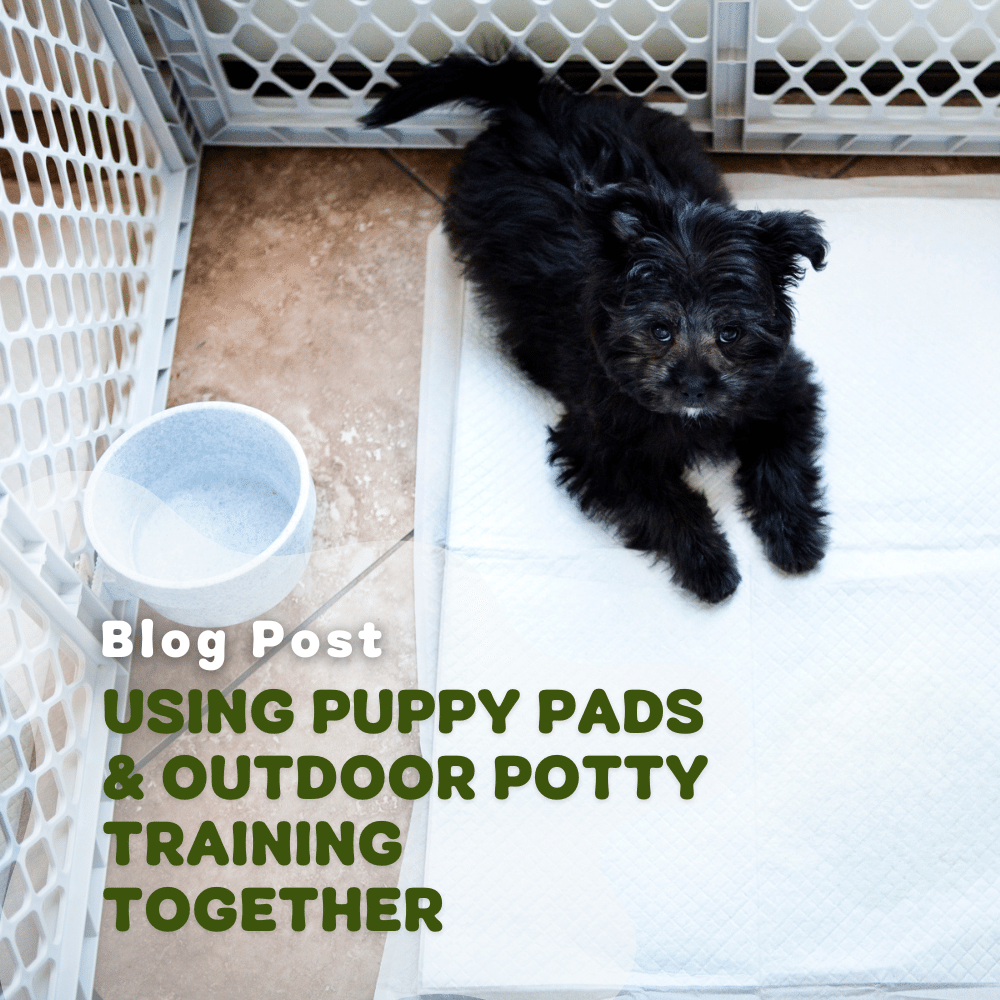
Credit: bubblepawz.com.au
Choosing The Right Puppy Pads
Choosing the right puppy pads is important for successful potty training. The pads help keep your home clean and guide your puppy to the right spot. Picking the right type affects how well your puppy learns and how easy cleanup is. Focus on material, size, and eco-friendly choices to find the best fit.
Material And Absorbency
Select pads made from strong, absorbent material. Look for layers that lock moisture in quickly. This stops leaks and keeps floors dry. Some pads have a special scent to attract puppies. Choose materials that feel soft and comfortable under your puppy’s paws.
Size And Placement
Choose pads large enough for your puppy’s size. Bigger pads give more room to move and avoid messes. Place pads in quiet, easy-to-reach spots. Keep them consistent to help your puppy remember where to go. Change the pad location gradually when starting outdoor training.
Eco-friendly Options
Pick pads made from biodegradable or recycled materials. These options reduce waste and help the environment. Some pads use natural fibers instead of plastic layers. Eco-friendly pads often break down faster in trash or compost. They offer a green choice without losing absorbency or comfort.
Setting Up An Outdoor Potty Area
Setting up an outdoor potty area helps your puppy learn where to go. It makes potty training clear and simple. The right space encourages good habits and comfort. This part explains how to create an outdoor potty area that works well with puppy pads.
Selecting The Spot
Pick a quiet place away from busy paths. Choose a spot with good drainage to avoid puddles. Make sure it is easy for your puppy to reach. Avoid areas with strong smells or distractions. A consistent spot helps your puppy know where to go.
Creating A Comfortable Space
Use soft grass or soil as the base. Avoid rough or sharp surfaces that can hurt little paws. Keep the area clean and dry to invite your puppy. Add a small fence or border to mark the space. Make the spot cozy to encourage regular visits.
Using Natural Scents
Use natural scents to guide your puppy to the spot. Try sprinkling a little used puppy pad or soil from the potty area. The familiar smell helps your puppy recognize the place. Avoid strong chemicals or cleaners that can confuse your puppy. Natural scents make the potty area inviting and easy to find.
Combining Puppy Pads With Outdoor Training
Combining puppy pads with outdoor training helps your puppy learn where to go easily. Puppy pads offer a safe indoor spot for accidents. Outdoor training teaches your dog to use the yard or designated area outside. Using both methods together gives your puppy clear guidance. It makes potty training less stressful for you and your pet.
This approach works well for puppies who live in apartments or places without quick outdoor access. The goal is to move your puppy from pads to outside over time. This section covers ways to blend both methods smoothly and effectively.
Transition Strategies
Start by placing puppy pads near the door you use to go outside. Gradually move the pads closer to the door. This helps your puppy connect the pad with going outside. After a few days, place the pad just outside the door. Then, reduce pad use and encourage outdoor potty time. Praise your puppy each time they go outside. Be patient during this process. Some puppies take longer to adjust.
Scheduling Potty Breaks
Set regular times for potty breaks, such as after meals and naps. Take your puppy outside first, then offer a pad as backup. This routine helps your puppy learn to expect outdoor potty times. Keep potty breaks short and calm. Give your puppy enough time to find the spot. Avoid rushing or distracting your puppy during breaks. Consistent timing makes training easier for both of you.
Encouraging Consistency
Use the same command word each time you ask your puppy to go potty. Praise and reward your puppy immediately after they go outside. Avoid punishment for accidents inside. Clean accidents quickly and quietly. Stick to your schedule and routine every day. Consistency builds good habits faster. Your puppy will soon understand where to go and feel confident.

Credit: www.wikihow.com
Training Tips For Success
Training a puppy with both puppy pads and outdoor potty methods can be simple. Clear steps help your puppy understand what you want. Consistency and patience are key. These training tips increase success and reduce confusion. Follow these easy ideas to guide your puppy well.
Positive Reinforcement
Reward your puppy immediately after they go potty in the right place. Use treats or gentle praise. This teaches your puppy that good behavior brings rewards. Avoid punishment. It can make your puppy scared or confused. Keep training sessions short and fun. Positive moments build trust and fast learning.
Handling Accidents
Accidents happen with all puppies. Stay calm and do not yell. Clean the spot well to remove smells. Use an enzyme cleaner to stop repeats. Guide your puppy back to the pad or outside spot. Watch for signs your puppy needs to go. Gently take them to the right place before accidents occur.
Using Commands Effectively
Choose simple words for potty time, like “Go potty” or “Do your business.” Use the same command every time. Say it clearly and softly. Wait for your puppy to finish before praising. Repeat the command to build understanding. Consistent commands help your puppy learn faster and reduce confusion.
Common Challenges And Solutions
Combining puppy pads and outdoor potty training can bring some challenges. Understanding these common problems helps you find simple solutions. Patience and consistency make the training smoother for your puppy.
Puppy Resistance To Outdoor Training
Some puppies may refuse to go outside at first. The new environment can seem strange or scary. Start with short trips outside to build comfort. Use treats and praise to encourage your puppy. Make outdoor trips fun and rewarding. Keep a regular schedule to create routine.
Pad Dependency Issues
Puppies can become too used to puppy pads. This makes outdoor training harder later. Gradually move the pads closer to the door. Then, place them outside near the potty spot. Slowly reduce the number of pads inside. Reward your puppy for using outdoor spots. This helps shift their habits.
Weather-related Concerns
Bad weather can stop your puppy from going outside. Rain, cold, or snow may confuse or scare them. Use a covered area for potty if possible. Dress your puppy in a raincoat or boots for comfort. Keep outdoor sessions short in poor weather. Praise your puppy for brave efforts outdoors.
Maintaining Hygiene And Cleanliness
Maintaining hygiene and cleanliness is key when using puppy pads and outdoor potty training. Clean spaces keep your puppy healthy and happy. It also helps your home stay fresh and odor-free. Good habits prevent accidents and bad smells. It creates a safe, comfortable place for your puppy to learn.
Regular Cleaning Routines
Clean puppy pads and outdoor areas every day. Remove used pads quickly to stop germs from spreading. Wash outdoor potty spots with water and mild soap. Dry the area well to avoid muddy spots. A clean space helps your puppy know where to go.
Managing Odors
Use pet-safe sprays to reduce smells on puppy pads. Keep the room well-ventilated to freshen the air. Change pads often to stop bad odors. For outdoor spots, rinse with water regularly. Fresh air and clean pads keep your home smelling nice.
Safe Disposal Methods
Throw used puppy pads in a sealed bag before trashing. This stops smells and germs from spreading. Use biodegradable bags for a greener choice. Avoid flushing pads down the toilet to prevent clogs. Proper disposal keeps your home clean and safe for all.

Credit: www.wikihow.com
Frequently Asked Questions
How Do Puppy Pads Help With Outdoor Training?
Puppy pads provide a safe indoor spot for puppies to relieve themselves. They help establish a routine before moving fully outdoors. Using pads reduces accidents inside and eases the transition to outdoor potty training. This dual approach supports consistent habits and quicker learning.
When Should I Transition From Pads To Outside?
Start transitioning when your puppy reliably uses the pads. Gradually move the pads closer to the door, then outside. This slow shift helps puppies associate outdoor spots with potty time. Timing depends on your puppy’s age and readiness for outdoor training.
Can I Use Puppy Pads And Outdoor Training Together?
Yes, combining both methods helps puppies adjust smoothly. Puppy pads offer convenience indoors, while outdoor training teaches natural habits. Use pads during bad weather or nighttime to prevent accidents. This blended approach encourages consistency and flexibility in potty habits.
How Often Should I Take My Puppy Outside?
Take your puppy outside every 1-2 hours during the day. Frequent trips prevent accidents and reinforce outdoor potty behavior. After meals, naps, and playtime are key times to go outside. Consistency and patience are essential for successful training.
Conclusion
Using puppy pads and outdoor potty training together helps your puppy learn faster. Start inside with pads, then slowly move outside. Be patient and consistent with your puppy every day. Praise good behavior to encourage learning. Soon, your puppy will know where to go.
This method makes potty training less stressful for both of you. Keep practicing, and success will come naturally. Your puppy will grow into a well-trained dog with time and care.