

If you’re thinking about getting an elevated dog bed, you might be wondering if it’s the right choice for your furry friend. Elevated dog beds have become popular for many reasons, but they aren’t perfect for every pet or situation.
Understanding the pros and cons can help you make the best decision for your dog’s comfort and health. Keep reading to discover how an elevated dog bed could benefit your dog—and what drawbacks you should watch out for before making your purchase.

Credit: midleedesigns.com
Benefits Of Elevated Dog Beds
Elevated dog beds offer several benefits for pets and their owners. They provide comfort and support that traditional beds may not. These beds keep dogs off the hard floor, which helps in many ways. Many pet owners find that elevated beds improve their dog’s health and cleanliness. Below are some key benefits of using elevated dog beds.
Improved Air Circulation
Elevated dog beds allow air to flow under the bed. This keeps the dog cool, especially in warm weather. Proper air circulation helps reduce sweating and overheating. It also prevents dampness and mold buildup. This makes the bed a healthier place for your dog to rest.
Joint And Muscle Support
Raised beds provide firm support for joints and muscles. They reduce pressure on hips, elbows, and shoulders. Dogs with arthritis or muscle pain find relief on these beds. The raised design helps maintain better posture. This support aids in faster recovery and less pain.
Cleanliness And Hygiene
Elevated beds stay cleaner than floor beds. Dirt, dust, and pests have less contact with the bed surface. The bed is easier to clean and dry quickly. It prevents fleas and ticks from hiding in the bedding. This promotes a healthier environment for your pet.
Durability And Longevity
Most elevated dog beds are made from strong materials. They resist wear and tear better than soft beds. The design keeps the bed from sagging or losing shape. A good elevated bed lasts for many years. This makes it a smart investment for pet owners.
Potential Drawbacks To Consider
Elevated dog beds have many benefits but also some drawbacks. These beds may not fit all dogs or owners perfectly. Understanding potential issues helps to choose the right bed for your dog’s needs.
Suitability For Small Or Older Dogs
Small dogs may find it hard to climb onto elevated beds. Older dogs with joint pain might struggle to jump up. The height can cause discomfort or risk of injury. Low-profile beds may work better for these dogs.
Assembly And Portability Issues
Some elevated beds need assembly before use. This can be difficult without tools or instructions. Moving the bed around may be tricky due to its size. Portable options are fewer and often less sturdy.
Cost Compared To Traditional Beds
Elevated beds often cost more than regular floor beds. Materials and design add to the price. Budget-conscious buyers might find traditional beds more affordable. Consider value against your dog’s comfort and needs.
Material Concerns
Fabric quality varies among elevated beds. Some materials may wear out quickly or cause allergies. Frames made from metal can rust or bend. Choosing durable, safe materials ensures longer use and health safety.
Choosing The Right Elevated Bed
Choosing the right elevated dog bed is important for your pet’s health and comfort. Each dog has different needs based on size, sleeping habits, and environment. A well-chosen bed supports joints and keeps your dog cool. This guide helps you pick the best bed for your furry friend.
Size And Weight Capacity
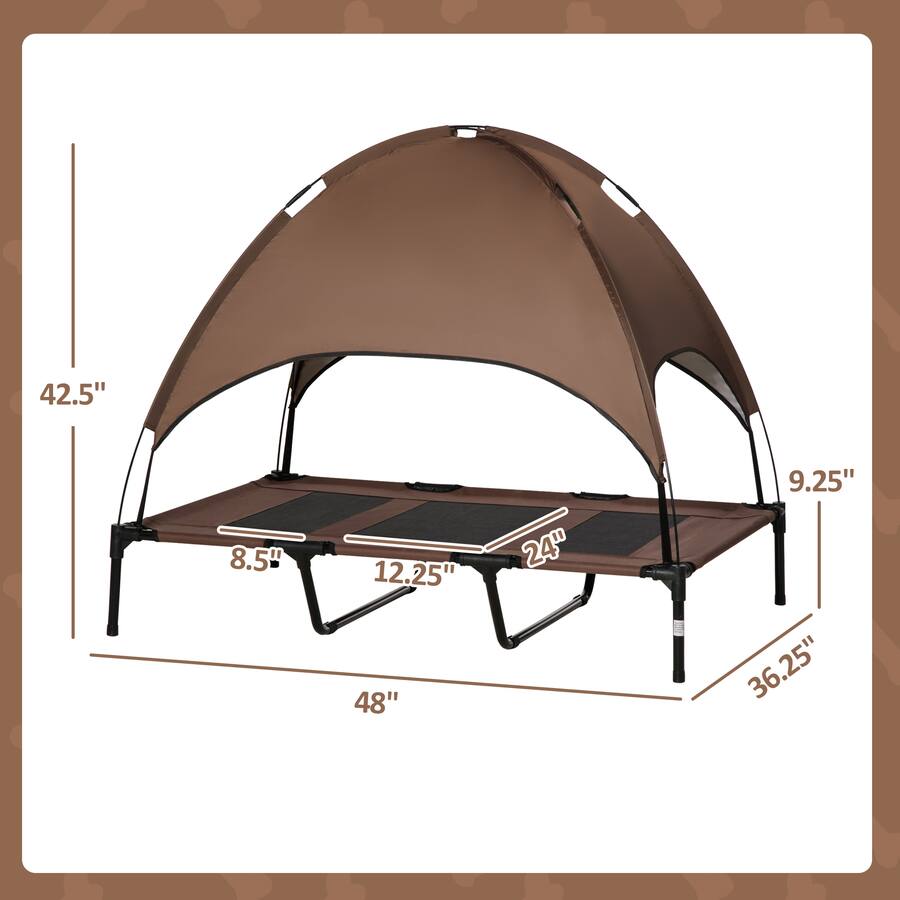
Measure your dog from nose to tail before buying. The bed should be big enough for your dog to lie comfortably. Check the weight limit to ensure the bed supports your dog’s weight. A bed that is too small or weak can cause discomfort or break easily.
Material Types And Comfort
Look for durable frames made from metal or strong plastic. The sleeping surface may be mesh, fabric, or padded. Mesh allows airflow, keeping dogs cool. Padded surfaces add softness but may be harder to clean. Choose materials that suit your dog’s comfort and needs.
Indoor Vs Outdoor Use
Some beds are designed for outdoor use and resist weather damage. Indoor beds focus on style and softness. Outdoor beds use water-resistant materials and sturdy frames. Decide where your dog will use the bed most. This helps pick the right type of elevated bed.
Maintenance And Cleaning Tips
Choose beds with removable and washable covers for easy cleaning. Mesh surfaces can be wiped down quickly. Check if the frame is rust-resistant or easy to clean. Regular cleaning keeps the bed fresh and safe for your dog.

Credit: midleedesigns.com
Owner Experiences And Feedback
Owner experiences provide real insight into the benefits and challenges of elevated dog beds. Many pet parents share honest feedback about comfort, durability, and ease of use. These stories help others decide if an elevated bed suits their dog’s needs. Reading true accounts reveals practical tips and common issues.
Positive Stories
Many owners praise elevated beds for keeping dogs cool and dry. Dogs with joint pain seem to enjoy the support and comfort. Owners mention fewer fleas and dirt on the bed compared to floor mats. Several report that their dogs sleep longer and feel more rested. Easy cleaning and portability also receive positive comments.
Common Complaints
Some owners find assembly tricky or tools missing from the package. A few dogs initially resist the raised surface and need time to adjust. Certain beds show wear quickly, especially with larger or heavy dogs. Owners mention the risk of tipping if the bed is lightweight. Price can be a concern for budget-conscious buyers.
Tips From Experienced Owners
Choose a bed size suitable for your dog’s weight and height. Test bed stability before letting your pet use it freely. Add a soft blanket or cushion for extra comfort. Place the bed in a shaded, quiet area to encourage use. Regularly check screws and joints for safety and tighten if needed.
Credit: tuwiazowna.pl
Frequently Asked Questions
What Are The Main Benefits Of Elevated Dog Beds?
Elevated dog beds improve airflow, keeping dogs cool and comfortable. They reduce joint strain and prevent dirt buildup. These beds also promote better hygiene by staying off the floor. They are ideal for outdoor use and help with cleanliness indoors.
Are Elevated Dog Beds Suitable For All Dog Breeds?
Elevated dog beds suit most breeds, especially medium to large dogs. Small dogs may find them less stable or harder to access. Dogs with joint issues benefit from the firm, supportive surface. Always consider your dog’s size and health before choosing.
Do Elevated Dog Beds Help With Dog Allergies?
Yes, elevated beds reduce exposure to dust and allergens on the floor. They improve air circulation, which can lessen allergy symptoms. Keeping dogs off damp or dirty floors also prevents mold and mites. This makes them a good choice for allergy-prone pets.
How Do Elevated Dog Beds Affect A Dog’s Joint Health?
Elevated beds provide firm support, easing pressure on joints and muscles. They help dogs with arthritis or hip dysplasia by reducing strain. The height makes it easier for dogs to get on and off. This promotes better mobility and comfort.
Conclusion
Elevated dog beds offer many benefits like better airflow and comfort. They keep pets cool and help reduce joint pain. On the downside, they can be less cozy for some dogs. Also, they may not suit every space or budget.
Think about your dog’s needs and habits before choosing. A well-chosen bed helps your pet rest well and stay healthy. Consider both pros and cons to find the best fit. Your dog deserves a bed that feels just right.