

Choosing the right cat carrier can make all the difference when it comes to your pet’s comfort and your peace of mind. You might be wondering whether a soft or hard cat carrier is better for your furry friend.
Each option has its own benefits and drawbacks, and picking the wrong one could lead to stress for both you and your cat. You’ll discover everything you need to know to make the best choice. By the end, you’ll feel confident about which carrier suits your needs and keeps your cat happy and safe.
Keep reading to find out what works best for you and your pet.
Soft Cat Carriers
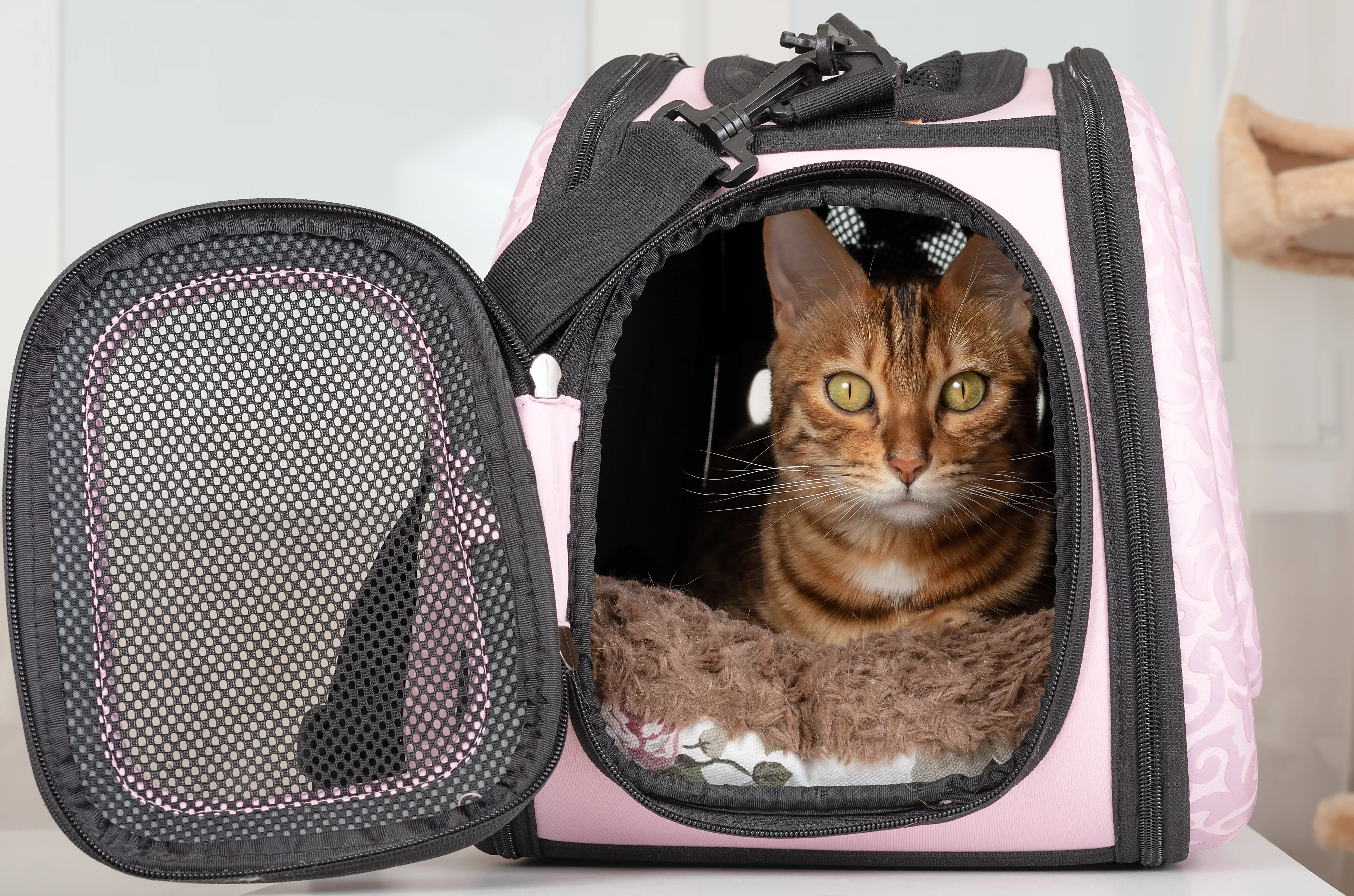
Soft cat carriers offer a cozy and flexible option for transporting your feline friend. These carriers often feel more like a small bed than a cage. Cats tend to relax more inside soft carriers because of the gentle materials and snug design.
Materials And Design
Soft cat carriers use materials like nylon, polyester, or canvas. These fabrics are lightweight yet strong. Many carriers have mesh windows for air and visibility. The design often includes padded sides and a soft bottom. Some models fold flat for easy storage.
Advantages For Cats
Soft carriers feel less confined to cats. The padded walls offer comfort and warmth. Mesh panels let cats see outside without feeling trapped. These carriers reduce stress during travel. Many cats prefer the soft, cushioned space over hard plastic.
Portability And Storage
Soft carriers are light and easy to carry. They often come with shoulder straps or handles. Folding options save space when not in use. These carriers fit easily in cars or under airplane seats. Their compact size suits small trips well.
Cleaning And Maintenance
Most soft carriers have removable, washable pads. The fabric can be wiped clean quickly. Some models are machine washable, making care simple. Regular cleaning keeps odors and dirt away. This helps keep your cat healthy and happy.
Hard Cat Carriers
Hard cat carriers offer strong protection for your pet during travel. They are sturdy and keep your cat safe from outside impacts. These carriers are popular for trips to the vet or long journeys. Their solid structure helps prevent escapes and accidents. Below, we explore key features of hard cat carriers.
Construction And Durability
Hard carriers are made of tough plastic or metal. This makes them very strong and long-lasting. They resist scratches and bites from cats. The solid build keeps the carrier shape stable. This prevents it from collapsing during transport. Hard carriers can handle rough handling better than soft ones.
Safety Features
Hard carriers often have secure locking doors. These locks stop cats from escaping. The rigid frame protects cats from bumps or drops. Some models include extra straps or clips for safety. The hard shell shields your pet from outside dangers. Safety is a top priority in these designs.
Ventilation And Visibility
Hard carriers have built-in vents for fresh air. Vents are placed on the sides or top. This keeps your cat comfortable and cool. Most carriers have mesh or bars for visibility. Cats can see outside but cannot get out. Good airflow and sight help reduce pet stress.
Ease Of Cleaning
Hard carriers are easy to clean with a damp cloth. Their smooth surfaces do not trap dirt. Some parts can be removed for thorough washing. This helps keep the carrier hygienic. Cleaning hard carriers is quick and simple compared to soft ones.
Comparing Comfort Levels
Choosing the right cat carrier affects your cat’s comfort during travel. Soft and hard carriers offer different levels of comfort. Understanding these differences helps you pick the best option for your cat’s needs.
Comfort impacts your cat’s mood and behavior. Cats feel safe in a space that suits their nature and habits. Let’s explore how comfort varies between soft and hard carriers.
Cat’s Preference And Behavior
Many cats prefer soft carriers because they feel cozy and warm. Soft sides allow cats to curl up more easily. Cats can also scratch or knead the soft fabric, which soothes them.
Hard carriers offer a solid, stable space. Some cats like this because it feels like a small den. Hard carriers protect better from bumps and sudden movements. Cats that like quiet and dark spaces may prefer hard carriers with covered sides.
Impact On Stress And Anxiety
Soft carriers can reduce stress by offering comfort and gentle support. The fabric absorbs noise and vibrations, making trips less scary. Soft carriers also let cats see outside if the mesh is large, which can calm curious cats.
Hard carriers block out most outside noise and light. This helps anxious cats feel safe and hidden. The firm walls prevent sudden shifts, which lowers fear during travel. Cats prone to panic may feel more secure in a hard carrier.
Credit: www.purelypetsinsurance.co.uk
Travel Considerations
Choosing the right cat carrier depends on how you plan to travel. Different trips need different features. Comfort, safety, and rules matter a lot. This section covers key travel points for soft and hard carriers.
Car Travel
Soft carriers are light and easy to carry in cars. They fit in small spaces and can be squished slightly. Hard carriers provide strong protection if the car stops suddenly. They stay stable and secure on the seat. Both types can work well, but think about how long the trip is and your cat’s comfort.
Air Travel Regulations
Airlines often require carriers to meet size and material rules. Soft carriers usually fit under the seat and meet these rules. Hard carriers might be too big or heavy for cabin use. Some airlines accept hard carriers only as checked baggage. Always check airline rules before flying to avoid problems.
Public Transport Compatibility
Soft carriers are easier to carry on buses and trains. They are lighter and can be worn like a bag. Hard carriers can be bulky and hard to hold on crowded transport. Soft carriers offer more flexibility and comfort for you and your cat in busy places.
Size And Weight Factors
Choosing the right cat carrier depends a lot on size and weight. These factors affect comfort for your cat and ease of carrying for you. Both soft and hard carriers have different limits and options. Knowing these helps pick the best carrier for your needs.
Choosing The Right Size
The carrier must fit your cat well. It should be big enough for your cat to stand, turn, and lie down. Soft carriers often offer some stretch and flexibility. Hard carriers usually have fixed dimensions. Measure your cat before buying any carrier. Check product details for exact size info.
Weight Limitations
Each carrier has a maximum weight it can hold safely. Soft carriers tend to be lighter but may hold less weight. Hard carriers are often heavier but support larger cats. Always check the weight limit before purchase. A carrier too small or weak can be unsafe for your pet.
Safety And Security
Safety and security are the top priorities when choosing a cat carrier. A secure carrier keeps your cat calm and prevents escapes. Both soft and hard carriers have unique features that protect your pet during travel. Understanding these features helps you pick the safest option.
Locking Mechanisms
Hard carriers often come with strong locking latches. These latches hold the door firmly and resist pushing or pulling. Soft carriers use zippers or clips to close openings. High-quality zippers with lock holes improve security. Some soft carriers have double zippers to prevent accidental openings.
Escape Prevention
Hard carriers create a solid barrier around your cat. This stops your cat from chewing or scratching out. Soft carriers rely on tight mesh windows and strong fabric. These keep your cat inside but allow airflow and visibility. Choose carriers with secure seams and reinforced edges to avoid tears. Properly fitting carriers reduce your cat’s chance to slip out.
Cost And Value
Choosing between a soft and hard cat carrier involves considering cost and value. Price affects your decision, but value includes comfort, durability, and ease of use. Both types offer different benefits at different prices. Understanding these differences helps you pick the best carrier for your cat and budget.
Price Ranges
Soft cat carriers usually cost less. Basic models start around $20 and go up to $60. They are lighter and easier to store. Hard cat carriers tend to be pricier. Simple hard carriers start near $40 and can reach $100 or more. They offer more protection and structure.
The price also depends on size, brand, and extra features. Soft carriers with extra pockets or padding cost more. Hard carriers with secure locks or vents add to the price. Choose a carrier that fits your budget and your cat’s needs.
Long-term Investment
Hard carriers last longer. They resist scratches and wear well. This makes them a better investment over time. Soft carriers may wear out faster, especially with active cats. They may need replacing after a few years.
Consider how often you travel with your cat. Frequent travelers may benefit from a durable hard carrier. For occasional use, a soft carrier may provide enough value. Think about comfort too. Soft carriers are often more comfortable for cats during short trips.
Credit: www.keyholesurgerykerala.com
Special Features
Special features in cat carriers add comfort and convenience for both cats and owners. These features vary between soft and hard carriers. They help keep supplies organized and make travel easier.
Storage Pockets
Soft carriers often include extra storage pockets. These pockets hold treats, toys, or a leash. Hard carriers usually have fewer or no pockets. Storage pockets keep essentials close and easy to reach.
Expandable Spaces
Expandable spaces appear mostly in soft carriers. They provide extra room for your cat to stretch. Hard carriers rarely offer this feature. Expandable spaces make travel less stressful for cats.
Additional Accessories
Some carriers come with extra accessories. These can be removable cushions, shoulder straps, or rain covers. Soft carriers tend to have more accessories. They increase comfort and protect your pet in different conditions.
Making The Final Choice
Choosing between a soft and hard cat carrier is an important step. It affects your cat’s comfort and your ease of use. Consider your cat’s personality and your travel habits carefully. This helps you pick the best option that suits both of you.
Assessing Your Cat’s Needs
Think about how your cat reacts to travel. Some cats feel safer in a hard carrier with solid walls. Others prefer the cozy feel of a soft carrier. Size matters too. Make sure the carrier allows your cat to stand and turn easily. Also, check if your cat needs extra padding or ventilation.
Matching Lifestyle And Carrier Type
Consider your travel style. Hard carriers are great for rough trips and long drives. They protect your cat well and are easy to clean. Soft carriers suit short trips and calm cats. They are lighter and easier to carry. Think about storage space too. Soft carriers fold flat, saving room. Pick the carrier that fits your daily needs best.

Credit: www.keyholesurgerykerala.com
Frequently Asked Questions
What Are The Key Differences Between Soft And Hard Cat Carriers?
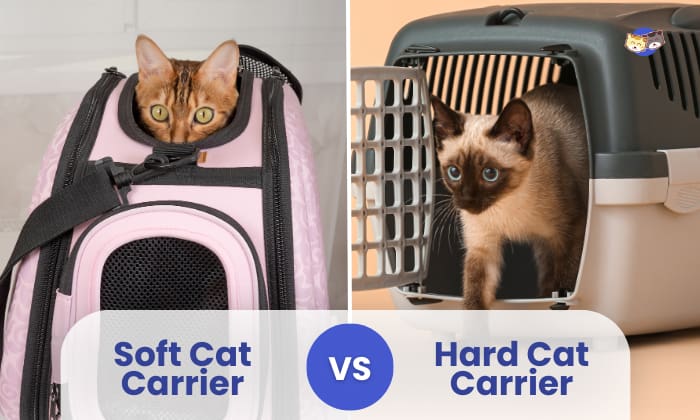
Soft carriers are lightweight, flexible, and often made of fabric. Hard carriers are rigid, durable, and provide more protection during travel. Soft ones suit calm cats and short trips, while hard carriers are ideal for long journeys or veterinary visits.
Which Cat Carrier Is Safer For Long-distance Travel?
Hard cat carriers are safer for long-distance travel. They offer better protection from impacts and prevent escapes. Soft carriers may not withstand rough handling or accidents as effectively, making hard carriers the preferred choice for extended trips.
Can Soft Cat Carriers Be Used For Airline Travel?
Many airlines accept soft cat carriers if they fit under the seat and meet size rules. Soft carriers offer comfort but check airline policies first. Hard carriers are often required for checked or cargo travel.
How Do I Choose Between Soft And Hard Cat Carriers?
Consider your cat’s behavior, trip length, and travel mode. Choose soft carriers for calm cats and short trips. Opt for hard carriers for active cats, long journeys, or vet visits requiring extra security.
Conclusion
Choosing between soft and hard cat carriers depends on your cat’s needs. Soft carriers offer comfort and lightness. Hard carriers provide strong protection and easy cleaning. Think about your cat’s size, travel type, and safety. Both types have benefits for different situations.
Pick the one that fits your and your cat’s lifestyle best. Safe and happy trips start with the right carrier choice.