

Dog owners know that fur can get everywhere—on your couch, clothes, car seats, and even your food. Shedding is a normal part of a dog’s life, but it can sometimes feel overwhelming. That’s where a deshedding tool for dogs comes in. These tools help manage loose fur, reduce mess, and keep your dog’s coat healthy and shiny. But what exactly is a deshedding tool? How does it work, and do you really need one? This guide answers all those questions and more, with real-world examples, data, and practical advice for pet parents.
Understanding Dog Shedding
All dogs shed, but the amount and timing depend on the breed, health, and environment. Some breeds, like Labrador Retrievers and German Shepherds, shed heavily year-round. Others, like Poodles, shed very little. Shedding helps dogs get rid of dead hair and maintain a healthy coat.
When shedding is not managed, loose hair can lead to mats, tangles, and skin problems. It can also trigger allergies in sensitive people. Regular grooming helps, but sometimes a simple brush is not enough. That’s when deshedding tools make a big difference.
What Is A Deshedding Tool For Dogs?
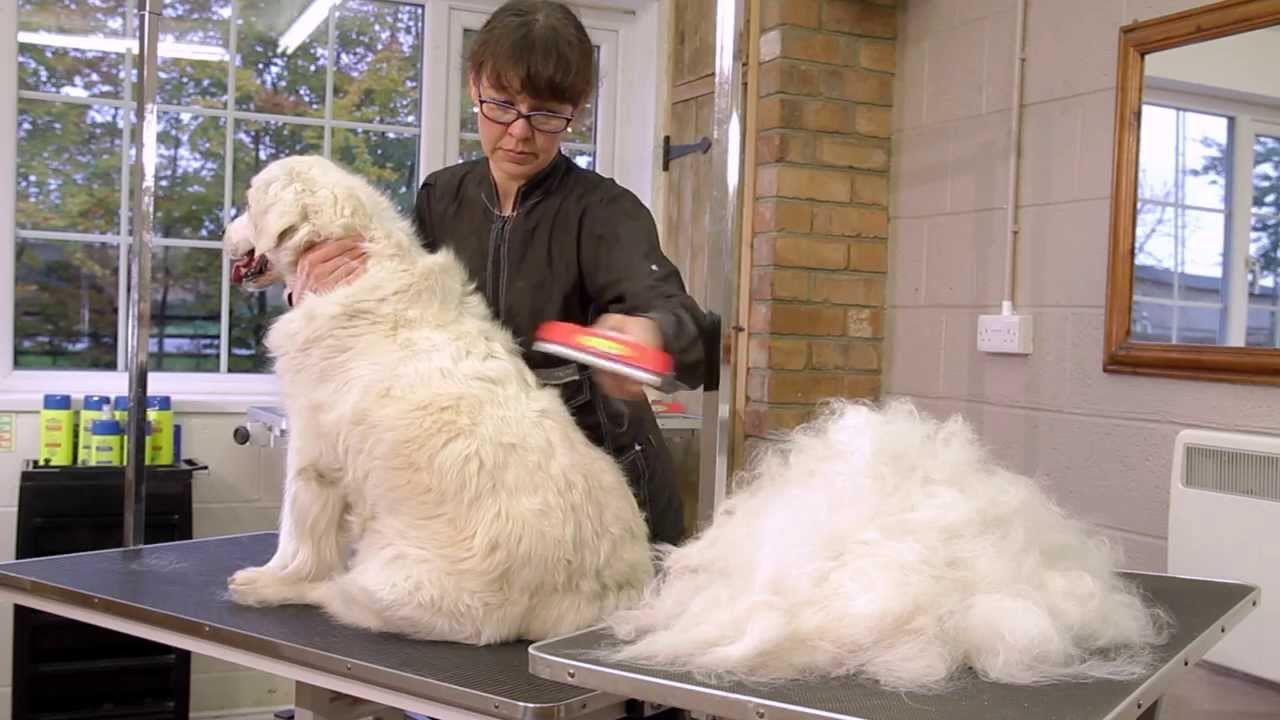
A deshedding tool is a grooming device made to remove loose and dead fur from a dog’s undercoat. Unlike basic brushes or combs that only touch the top layer, deshedding tools reach deeper into the coat. They help:
- Reduce the amount of shed hair around your home
- Prevent mats and tangles
- Keep your dog’s skin and coat healthy
Most deshedding tools have special blades, teeth, or edges designed to pull out undercoat fur without hurting the dog. They come in many shapes and sizes, each made for different coat types.
Credit: www.youtube.com
How Do Deshedding Tools Work?
Deshedding tools use fine, closely spaced teeth or edges to reach the soft undercoat beneath the top layer of fur. When you run the tool gently over your dog’s body, the teeth catch loose hair that is about to fall out. This hair collects in the tool, so you can throw it away instead of finding it on your sofa.
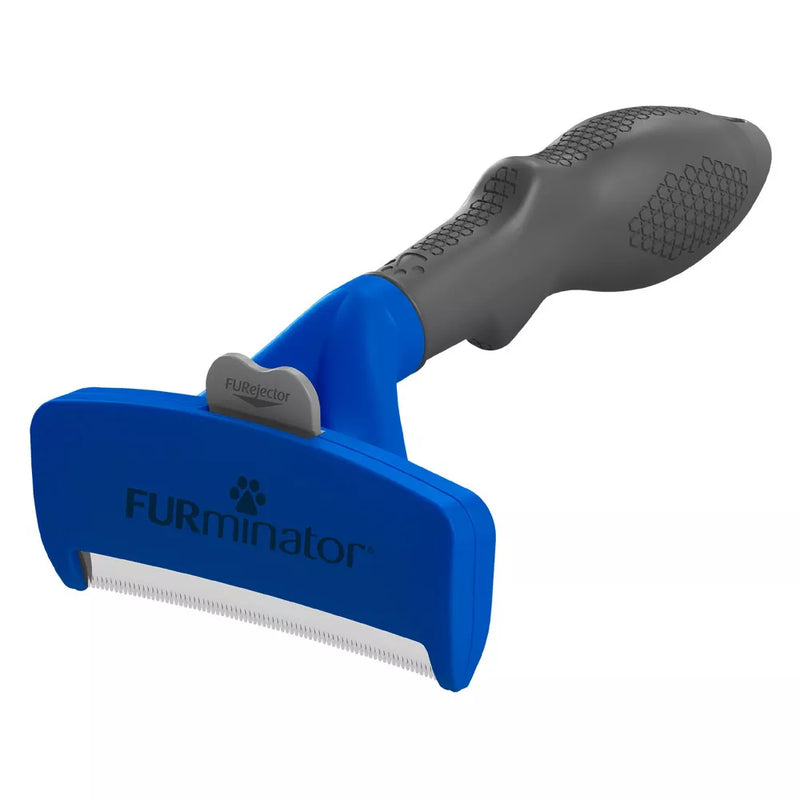
Some tools, like the popular Furminator, use a stainless steel edge. Others use rakes, combs, or even rubber bristles. The goal is the same: remove as much loose undercoat as possible without cutting or damaging the healthy hair.
Types Of Deshedding Tools
The best deshedding tool for your dog depends on their size, coat type, and how much they shed. Here are the main types:
1. Shedding Blades
Shedding blades look like a long, flexible metal loop with small teeth on one side. You hold the handles and drag the blade gently across your dog’s coat. They work best for short- and medium-haired breeds.
2. Undercoat Rakes
Undercoat rakes have long, widely spaced teeth. They reach deep into thick, double coats and pull out loose fur from the undercoat without hurting the topcoat. These are perfect for breeds like Huskies or Collies.
3. Deshedding Combs
Deshedding combs have closely set metal teeth. They are good for medium to long coats and can remove mats and tangles as well as loose hair.
4. Deshedding Brushes
Deshedding brushes may use fine metal pins, bristles, or rubber nubs. They work well for dogs with sensitive skin or for breeds with shorter coats. Some also have self-cleaning features.
5. Specialized Deshedding Tools
Some brands make tools just for certain breeds or coat types. For example, the Furminator line offers different models for short and long hair.
| Tool Type | Best For | Coat Length | Common Features |
|---|---|---|---|
| Shedding Blade | Short/medium coat, large dogs | Short to medium | Looped blade, easy grip |
| Undercoat Rake | Thick, double coats | Medium to long | Long teeth, ergonomic handle |
| Deshedding Comb | Medium/long coats, mats | Medium to long | Fine teeth, removes tangles |
| Deshedding Brush | Sensitive skin, short coats | Short | Soft bristles, self-cleaning |
Benefits Of Using A Deshedding Tool
Using a deshedding tool offers several advantages for both you and your dog:
- Less Loose Hair at Home: These tools can reduce shedding by up to 90% when used regularly, according to some manufacturers. That means less hair on your furniture and floors.
- Healthier Skin and Coat: Removing dead hair helps air and natural oils reach your dog’s skin, reducing the risk of hot spots and irritation.
- Prevents Mats and Tangles: Mats can be painful and sometimes need to be cut out. Deshedding tools remove the hair before it tangles.
- Early Detection of Skin Problems: Regular grooming helps you spot lumps, bumps, or parasites early.
- Bonding Time: Many dogs enjoy the gentle massage of deshedding, making it a positive bonding experience.
- Allergy Control: Less hair and dander means fewer allergens in your home, which is helpful for people with allergies.
How To Choose The Right Deshedding Tool
Not all deshedding tools are the same. Picking the right one depends on your dog’s breed, coat length, and sensitivity. Here’s what to consider:
1. Dog Size And Coat Type
- Short-haired breeds (e.g., Beagle, Boxer): Look for blades or brushes with shorter teeth.
- Long-haired breeds (e.g., Golden Retriever, Collie): Choose tools with longer teeth or rakes.
- Double-coated breeds (e.g., Husky, German Shepherd): Undercoat rakes or special deshedding combs work best.
2. Tool Quality
Check for strong materials, comfortable grips, and durable design. Stainless steel teeth last longer and resist rust.
3. Comfort And Safety
The tool should not scratch or pull your dog’s skin. Rounded edges or protected tips help prevent injury.
4. Ease Of Cleaning
Some tools have buttons to release hair for easy cleaning. This feature saves time and hassle.
5. Price And Brand Reputation
Higher price doesn’t always mean better quality, but established brands often have better warranties and customer support.
| Feature | Why It Matters | What to Look For |
|---|---|---|
| Tooth Length | Matches coat thickness | Long for thick coats, short for fine coats |
| Handle Comfort | Reduces hand fatigue | Non-slip grip, ergonomic shape |
| Cleaning Ease | Removes hair quickly | Self-cleaning button |
| Durability | Lasts longer, safer | Stainless steel, sturdy plastic |
Credit: shopcgx.com
How To Use A Deshedding Tool Safely
Using a deshedding tool the right way keeps your dog comfortable and avoids accidents. Follow these steps for best results:
1. Prepare Your Dog
Before you start, make sure your dog is calm. Pet them, speak softly, and let them sniff the tool. If your dog has mats or tangles, use a regular comb or mat splitter first.
2. Pick The Right Time
Deshedding is easiest after a bath, when the hair is clean and dry. Wet fur can clog the tool and make pulling worse.
3. Work In Sections
Start at your dog’s neck and work toward the tail. Use short, gentle strokes in the direction of hair growth. Be extra careful around sensitive areas like the belly and legs.
4. Check The Skin
If you see redness or your dog flinches, stop right away. Too much pressure can hurt the skin.
5. Remove And Clean Hair
After every few strokes, pull loose hair from the tool. Some tools have a release button to make this easier.
6. Don’t Overdo It
Most dogs only need deshedding once or twice a week. Too much can irritate the skin or thin out the coat.
Practical tip: For dogs new to deshedding, start with short sessions and give treats as rewards. This helps build a positive routine.
When Should You Use A Deshedding Tool?
The best time depends on your dog’s breed and the season. Many dogs shed the most in spring and fall. These are known as “blowing coat” seasons, when dogs lose their winter or summer coats.
- Heavy shedders: Use the tool weekly, or even daily during peak shedding.
- Light shedders: Once every two weeks may be enough.
- Non-shedding breeds: Dogs like Poodles may not need deshedding tools at all.
Always adjust based on your dog’s reaction and the amount of hair you collect.
Common Mistakes To Avoid
Using a deshedding tool seems simple, but beginners often make these errors:
- Using the wrong tool for the coat type: This can make grooming less effective and even painful.
- Applying too much pressure: Pushing hard can scratch or cut your dog’s skin.
- Skipping mats and tangles: Deshedding tools aren’t designed to cut through mats. Detangle first.
- Grooming a wet or dirty dog: Dirt can clog the tool and cause discomfort.
- Neglecting sensitive areas: Be gentle around the face, ears, and belly.
- Overgrooming: Too much use can irritate the skin and damage healthy fur.
Are Deshedding Tools Safe For All Dogs?
Most healthy dogs can use deshedding tools, but there are exceptions. Dogs with sensitive skin, wounds, or skin conditions should not be groomed with sharp tools. Puppies and senior dogs may also need extra care. Always check with your vet if you’re unsure.
Non-obvious insight: Some double-coated breeds, like Huskies, are never shaved or clipped because their coat protects them from both heat and cold. Deshedding tools are ideal for these breeds because they remove loose hair without harming the coat’s natural structure.
How Deshedding Tools Compare To Other Grooming Tools
Dog grooming can be confusing because there are so many tools. Let’s compare deshedding tools with other common options:
| Tool Type | Main Use | Depth Reached | Best For | Limitations |
|---|---|---|---|---|
| Deshedding Tool | Removes loose undercoat | Deep (reaches undercoat) | Heavy shedders, double coats | Not for mats, overuse can irritate |
| Pin Brush | Detangles, smooths topcoat | Surface only | Long/curly coats | Doesn’t remove much undercoat |
| Slicker Brush | Removes tangles, surface hair | Shallow to medium | Medium/long coats | Can scratch if used too hard |
| Comb | Finishing, removing small mats | Surface to shallow | All coat types | Not for undercoat removal |
Deshedding tools are unique because they target the undercoat—the layer where most loose fur comes from. Regular brushes can smooth the top but won’t catch the deep, fluffy hair that ends up on your clothes.
How Often Should You Deshed Your Dog?
There’s no one-size-fits-all answer. Here’s a rough guide:
- Double-coated dogs: Once or twice a week during shedding seasons
- Short-haired breeds: Every 2–4 weeks
- Long-haired breeds: Weekly, with extra care for tangles
If you see lots of loose hair or your dog seems itchy, increase the frequency. If your dog’s skin gets red or irritated, take a break.
Cost Of Deshedding Tools
Deshedding tools range from $10 to $60 or more. Basic shedding blades are affordable, while brand-name tools with advanced features cost more. However, a good tool can last years and save money on professional grooming.
- Low-end: $10–$15 (simple blades, basic combs)
- Mid-range: $20–$35 (ergonomic handles, stainless steel)
- High-end: $40–$60 (self-cleaning, breed-specific models)
Keep in mind, quality matters more than price. A cheap tool that hurts your dog is not worth it.
Real-world Example: The Furminator
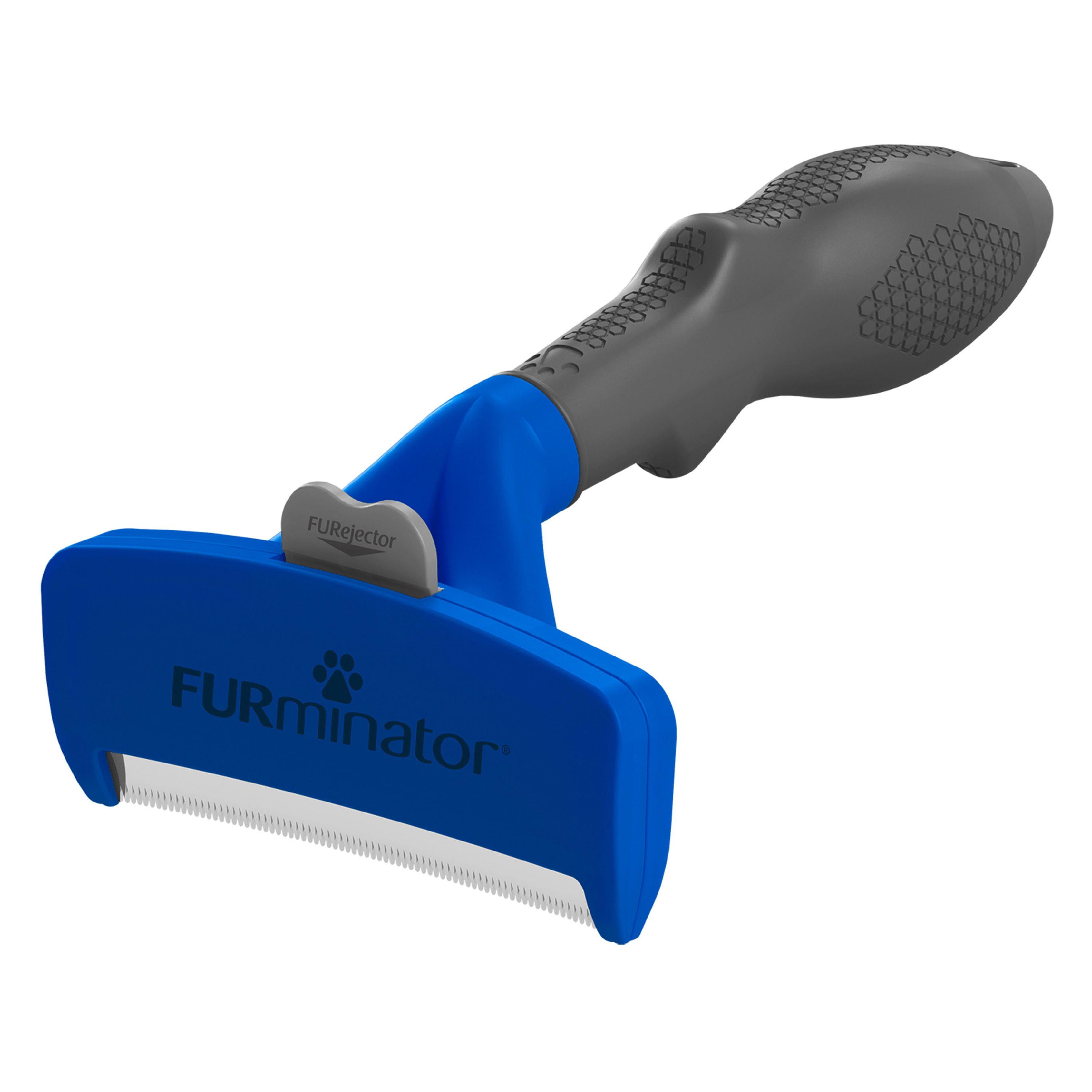
The Furminator is one of the most popular deshedding tools. It claims to reduce shedding by up to 90%. It uses a stainless steel edge to reach the undercoat and has a release button for easy cleaning.
Many users report seeing large amounts of loose hair come off in just one session. However, the Furminator is not for all dogs. For example, it may be too harsh for very short-haired breeds or dogs with sensitive skin.
Non-obvious insight: If your dog has allergies or skin conditions, always ask your vet before using a tool like the Furminator. Sometimes, special grooming routines are needed.
Tips For Making Deshedding Easier
Grooming should not be stressful for you or your dog. Here are some ways to make the process smoother:
- Start slow: Let your dog sniff and get used to the tool before using it.
- Create a routine: Groom at the same time and place, so your dog knows what to expect.
- Use treats and praise: Reward calm behavior to build trust.
- Keep sessions short: Especially for nervous dogs, 5–10 minutes is enough.
- Check the tool often: Look for signs of wear, broken teeth, or rust.
- Brush outside: This keeps loose fur out of your house.
Grooming Myths And Facts
There are many myths about deshedding. Let’s clear up a few common ones:
- Myth: Deshedding tools cut or thin your dog’s coat.
- Fact: Properly used, they only remove loose, dead hair—not healthy fur.
- Myth: Short-haired dogs don’t need deshedding.
- Fact: Many short-haired breeds shed heavily and benefit from these tools.
- Myth: All dogs need the same tool.
- Fact: The right tool depends on breed, coat type, and skin sensitivity.
- Myth: More deshedding is always better.
- Fact: Overgrooming can cause skin problems.
Credit: www.furminator.com
Professional Grooming Vs. Home Deshedding
Many pet owners wonder if they should take their dog to a groomer or do it themselves. Here’s a quick comparison:
Home Deshedding:
- Saves money over time
- Builds a routine and bond with your dog
- Lets you check your dog’s skin and coat regularly
Professional Grooming:
- Groomers have specialized tools and training
- Good for dogs with thick mats or special needs
- May include baths, nail trims, and ear cleaning
Some owners choose both: regular home grooming with professional help every few months.
Environmental Impact Of Dog Hair
Dog hair is not just a nuisance—it can affect your home and the environment. Loose fur can clog vacuums, filters, and even washing machines. In large amounts, hair can also contribute to dust and allergies.
Interesting fact: Some people collect and use dog hair for compost or even spinning into yarn! While this isn’t common, it shows that shedding is a natural process, not just a problem.
Deshedding Tools And Dog Allergies
If someone in your home is allergic to dogs, regular deshedding is essential. These tools remove hair and dander before it spreads. Combined with frequent vacuuming and air purifiers, this can make living with a dog easier for allergy sufferers.
For more about pet allergies, visit the WebMD Dog Allergies Guide.
Maintenance And Cleaning Of Deshedding Tools
A deshedding tool works best when kept clean and sharp. Here’s how to take care of it:
- Remove hair after each use
- Rinse with warm, soapy water if needed
- Dry completely to prevent rust
- Store in a dry place, away from children and pets
Some tools need blade replacement over time. Always follow the manufacturer’s instructions.
Deshedding Tools For Cats And Other Pets
Although this guide is focused on dogs, many deshedding tools work for cats, rabbits, or other furry pets. Always check the label and make sure the tool is safe for your animal.
Frequently Asked Questions
What Is The Difference Between A Deshedding Tool And A Regular Brush?
A deshedding tool reaches deep into your dog’s coat and removes loose undercoat hair. A regular brush usually only smooths the top layer and may not catch the fluffy hair that causes most shedding. For heavy shedders, deshedding tools are much more effective.
Can I Use A Deshedding Tool On A Puppy?
It depends on the puppy’s age and coat type. For very young puppies with soft, fine hair, a gentle brush is better. Once your puppy has a full coat (usually at a few months old), you can introduce a small, gentle deshedding tool.
Always start slowly and watch for signs of discomfort.
How Do I Know If I’m Using Too Much Pressure?
If your dog’s skin looks red, or your dog tries to move away, you may be pressing too hard. A good rule is to use gentle, slow strokes. The tool should glide over the coat, not dig into the skin.
Are There Dogs That Should Not Be Deshedded?
Yes. Dogs with skin problems, open wounds, or very thin coats may not be good candidates for deshedding tools. Some breeds, like the Chinese Crested or Xoloitzcuintli, have little or no hair and do not need deshedding. Always check with your vet if you are unsure.
How Can I Make Deshedding More Enjoyable For My Dog?
Turn grooming into a positive experience. Use treats, praise, and gentle words. Work in short sessions, especially at first. Make sure your dog is relaxed and not tired or hungry. Over time, most dogs learn to enjoy the attention.
Dog shedding can be a challenge, but with the right deshedding tool, it’s much easier to manage. Regular grooming keeps your dog’s coat healthy, your home cleaner, and your bond with your pet strong. With a little time and the right tool, you can say goodbye to piles of fur—and hello to a happier, healthier dog.