

Have you ever wondered how some pets learn tricks so quickly and easily? The secret often lies in a small tool called a pet training clicker.
This simple device can change the way you communicate with your furry friend, making training faster and more fun for both of you. If you want to discover an easy, effective way to teach your pet new behaviors without frustration, keep reading.
Understanding what a pet training clicker is could be the key to unlocking your pet’s full potential.
Pet Training Clicker Basics
Understanding the basics of pet training clickers helps you start training easily. These small tools make communication clear between you and your pet. They create a consistent way to mark good behavior. Let’s explore what a clicker is and how it works.
What Is A Clicker?
A clicker is a small handheld device. It makes a distinct clicking sound when pressed. Trainers use it to signal to pets that they did something right. This sound acts as a marker for good behavior. Pets learn to associate the click with rewards like treats or praise.
How Clickers Work
Clickers work by providing a clear, consistent signal. The sound is quick and sharp, easy for pets to notice. When your pet does the right action, press the clicker. Then give a reward immediately after the click. This method helps pets understand exactly what earns them praise.
The click tells your pet, “Yes, that’s correct!” It helps speed up learning. Pets respond well to this clear, simple communication. Using a clicker reduces confusion during training sessions.
Benefits Of Clicker Training
Clicker training offers many benefits for pets and owners. It helps build a strong bond and makes training easier. The method uses a small device that makes a clicking sound to mark good behavior. This simple tool helps pets learn clearly and quickly.
Clear Communication
Clicker training creates clear signals for pets. The clicking sound tells them exactly when they do something right. This reduces confusion and frustration during training. Pets understand what is expected and feel more confident.
Positive Reinforcement
The clicker marks good behavior instantly. Pets associate the click with a reward, like treats or praise. This encourages them to repeat the behavior. Training stays fun and motivating for pets without punishment.
Faster Learning
The precise timing of the click helps pets learn faster. They quickly link the click with the action and reward. This speeds up the training process. It saves time and effort for both pets and owners.
Choosing The Right Clicker
Choosing the right clicker is important for successful pet training. The clicker should fit your needs and your pet’s comfort. Picking a suitable tool makes training easier and more effective.
Many options exist, so knowing what to look for helps you decide. Consider the type of clicker and its features before buying.
Types Of Clickers
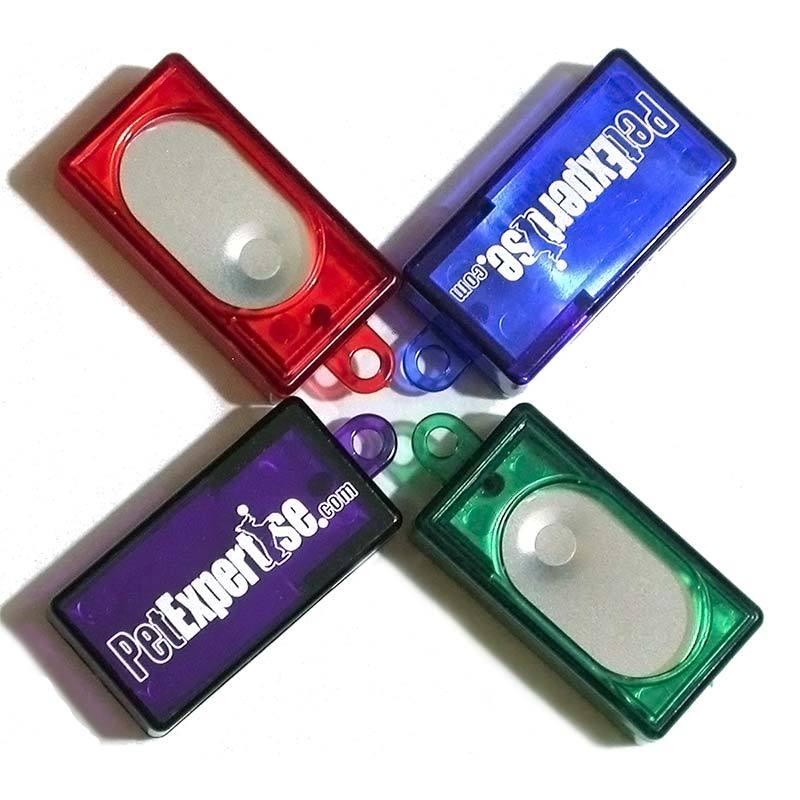
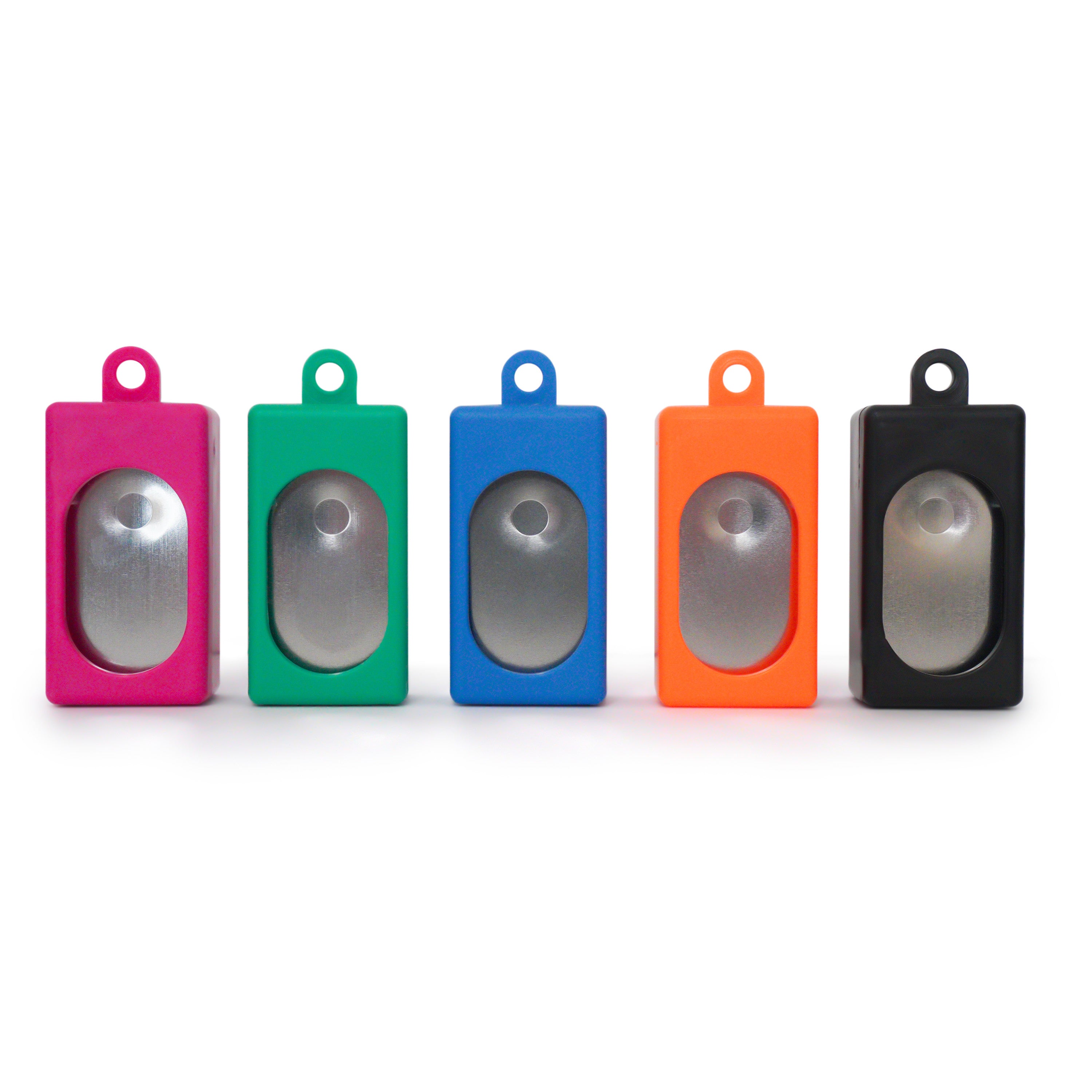
Standard clickers are small and click loudly. They work well for dogs and other pets. Some clickers have a wristband for easy carrying during training.
Silent clickers produce a soft sound. These are good for pets sensitive to noise. They make less disturbance in quiet places.
Electronic clickers beep or vibrate. These are useful in noisy areas or for pets with hearing issues.
Features To Consider
Check the size and shape. It should fit comfortably in your hand. Easy handling helps you click quickly and clearly.
Look at the sound type and volume. The click must be sharp and consistent. Avoid clickers with weak or dull sounds.
Durability matters. Choose a clicker made from strong materials. It will last longer and resist drops.
Some clickers offer extra tools like a built-in treat pouch. These can make training more convenient.
Credit: petexpertise.com
Getting Started With Clicker Training
Starting with clicker training is easy and fun for both you and your pet. This method uses a small device that makes a distinct clicking sound. The sound helps your pet understand exactly when they do something right. It creates clear and quick communication between you and your pet.
Using the clicker correctly takes some practice. It is important to learn how to use the clicker sound to mark good behavior. This way, your pet will want to repeat the action and learn new skills faster.
Clicker Conditioning
First, teach your pet that the click sound means a reward is coming. Click the device, then immediately give a treat. Repeat this several times until your pet looks happy after the click. This step links the clicker sound with something positive. It sets the foundation for all future training.
Timing And Consistency
Click at the exact moment your pet does the right thing. This helps your pet know which action earned the click. Be consistent with your timing every time you train. Use the same clicker sound to avoid confusing your pet. Consistent timing makes learning faster and clearer.
Clicker Training Techniques
Clicker training techniques use a small device that makes a distinct sound. This sound marks the exact moment your pet does something right. It helps pets learn faster by giving clear feedback. The clicker acts like a bridge between the action and the reward.
Pet owners use clickers to teach new skills and fix behavior problems. The training is simple, fun, and builds trust between you and your pet. Let’s explore how clicker training works for basic commands, advanced tricks, and behavioral issues.
Basic Commands
Start with simple commands like sit, stay, and come. Click the moment your pet follows the command. Then give a treat right away. This tells your pet which action earned the reward. Practice in short sessions to keep your pet focused. Repeat until your pet responds without the clicker.
Advanced Tricks
Use the clicker to teach fun tricks like rolling over or fetching specific items. Break the trick into small steps. Click and reward each small success. This keeps your pet motivated and clear about what to do next. Gradually combine steps until your pet performs the full trick.
Addressing Behavioral Issues
Clicker training helps correct bad habits too. Identify the unwanted behavior and what triggers it. Click and reward your pet when it stops or avoids the bad behavior. This encourages better choices. Stay patient and consistent to see improvement over time.
Common Challenges
Using a pet training clicker can be very helpful. Still, some common challenges may slow progress. Understanding these issues helps trainers stay patient and focused. Let’s explore three main challenges many face with clicker training.
Clicker Overuse
Clicking too much can confuse your pet. The clicker should mark exact moments of good behavior. If clicked too often, your pet may not know what to do. Use the clicker only to reward the right actions.
Ignoring The Clicker
Some pets do not react to the clicker sound at first. They may ignore it if it is not paired with treats. Always teach your pet that the click sound means a reward is coming. This builds clear communication between you and your pet.
Training Plateaus
Progress may slow or stop after a while. Pets can lose interest or get bored. Change the routine or try new rewards to keep your pet engaged. Patience and small steps help break through training plateaus.
Tips For Effective Training
Training your pet with a clicker can be very effective. Small changes in your approach can make a big difference. Here are some tips to help you train better and faster. These tips create a good learning space for your pet and build a strong bond.
Short Sessions
Keep training sessions brief. Aim for five to ten minutes. This helps your pet stay focused. Long sessions can make them tired or bored. Short sessions keep learning fun and easy.
Positive Environment
Create a calm and happy space for training. Avoid loud noises and distractions. Use a gentle voice and reward good behavior with treats. A positive environment helps your pet feel safe and ready to learn.
Patience And Persistence
Training takes time. Be patient with your pet’s progress. Repeat exercises often and stay calm. Celebrate small wins and keep trying. Consistency helps your pet understand what you want.
Credit: foamdogballs.com
Integrating Clicker Training With Other Methods
Integrating clicker training with other training methods can make learning easier for pets. Clicker training is clear and fast. It marks the exact moment your pet does the right thing. This helps pets understand what you want quickly. Using it alongside treats and verbal commands can improve results.
Combining With Treats
Clicker training works well with treats. The click sound tells your pet they did something right. Then, giving a treat rewards the good behavior. Treats motivate pets to learn. They make training fun and positive. Using treats after the click helps pets connect the click with a reward. This encourages pets to repeat good actions.
Using With Verbal Commands
Verbal commands help pets know what you want. Say a word like “sit” or “stay” before the click. The click shows the pet they did the command right. Over time, pets learn to follow the words. The click supports the verbal commands. This mix makes training clear and easy to understand.

Credit: wmhurt.pl
Frequently Asked Questions
What Is A Pet Training Clicker Used For?
A pet training clicker is a small device that makes a distinct clicking sound. It helps mark desired behaviors during training. The sound signals your pet that they performed correctly. This method improves communication and speeds up learning.
How Does A Pet Training Clicker Work?
The clicker creates a consistent sound to mark good behavior. When clicked, it signals your pet to expect a reward. This positive reinforcement helps pets learn commands faster. It makes training clear and effective.
Can Clicker Training Work For All Pets?
Yes, clicker training is effective for dogs, cats, birds, and more. It uses sound and rewards, which many animals understand. It is a gentle, humane training method suitable for most pets.
Why Choose A Clicker Over Verbal Commands?
Clickers provide a consistent, clear signal unlike varying verbal tones. They eliminate confusion and help pets associate actions with rewards better. This precision speeds up learning and strengthens the bond.
Conclusion
A pet training clicker helps teach pets new behaviors clearly. It makes training easier and faster by giving a clear signal. Pets learn to connect the click sound with rewards. This method builds good habits with less confusion. Using a clicker keeps training fun and positive.
Try it to see how your pet responds. Training can be simple and enjoyable for both of you. The clicker is a small tool with big benefits.