
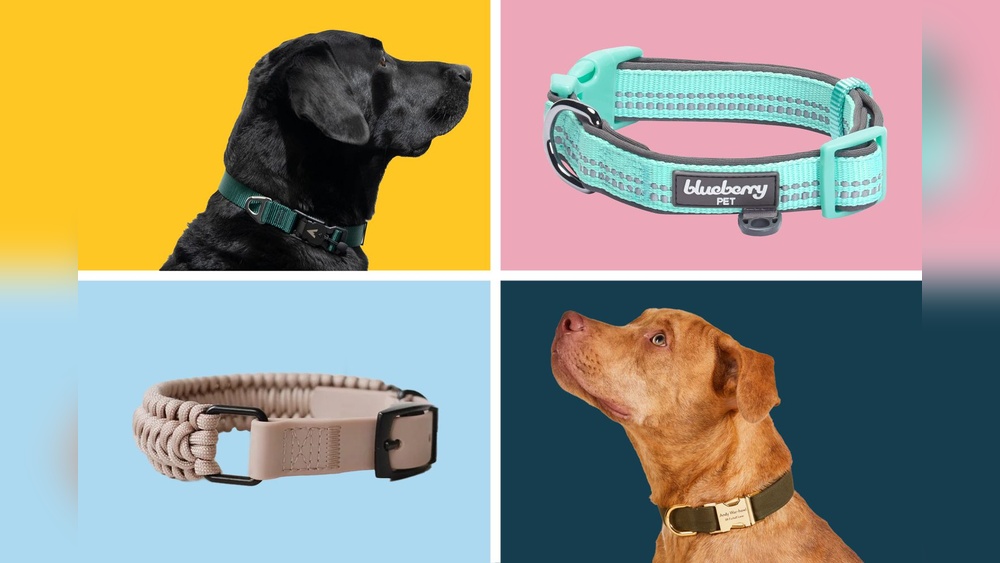
Choosing the right collar for your dog is more important than you might think. The collar you pick affects your dog’s comfort, safety, and even behavior.
But with so many options out there, how do you know which collar is best for your furry friend? You’ll discover the key features to look for and the pros and cons of different types of collars. By the end, you’ll feel confident making the best choice that suits your dog’s needs perfectly.
Keep reading to find out how to keep your dog happy and secure every time you take a walk.
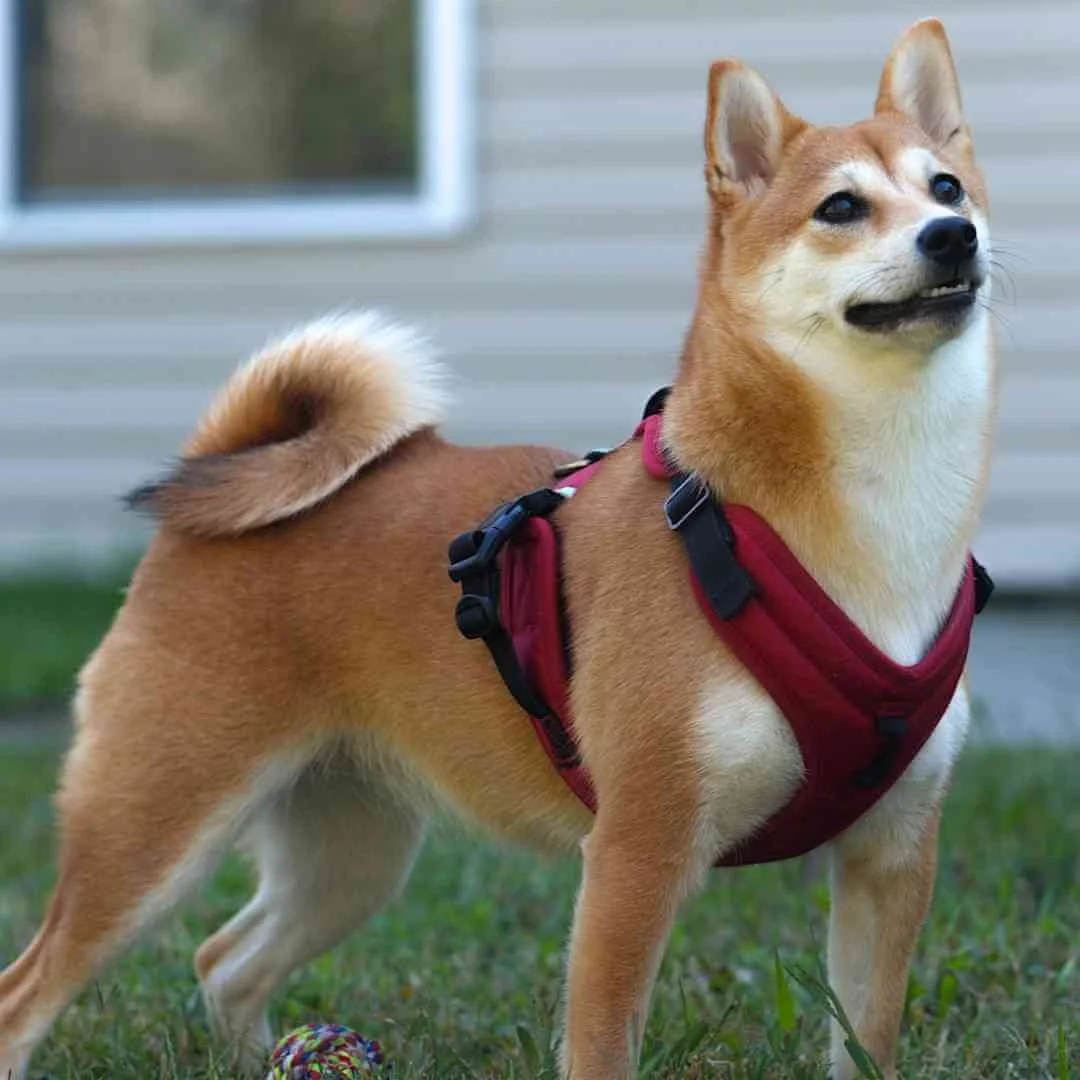
Credit: www.bestmatedogtraining.co.nz
Types Of Dog Collars
Dog collars come in many types, each serving different purposes. Choosing the right collar helps keep your dog safe and comfortable. It also makes training easier. Below are common types of dog collars to consider.
Flat Collars
Flat collars are the most common type. They are simple bands that fit around the dog’s neck. Usually made of nylon or leather. They hold ID tags and attach to a leash. Good for everyday use and light control.
Martingale Collars
Martingale collars tighten slightly when the dog pulls. Designed for dogs that can slip out of regular collars. They provide gentle control without choking. Often used for training or dogs with narrow heads.
Choke Chains
Choke chains tighten quickly when the dog pulls. They provide strong control but can hurt if misused. Only experienced owners or trainers should use them. Not recommended for long-term or casual use.
Prong Collars
Prong collars have metal prongs inside. They apply pressure evenly around the neck. Used for strong or stubborn dogs during training. Should be used carefully to avoid injury. Not for everyday wear.
Harnesses
Harnesses fit around the dog’s body, not the neck. They reduce strain on the throat and neck. Ideal for dogs that pull or have breathing issues. Provide better control and comfort during walks.
Gps And Smart Collars
GPS collars track your dog’s location with technology. Smart collars may monitor health and activity. Useful for active dogs or those that roam. They add safety beyond basic collar functions.
Choosing The Right Collar Size
Choosing the right collar size is key to your dog’s comfort and safety. A collar that fits well helps prevent injuries and slipping out. It also makes walks more enjoyable for both of you. Understanding how to measure and pick the right collar size ensures your dog stays happy and secure.
Measuring Your Dog’s Neck
Use a soft measuring tape to measure around your dog’s neck. Place it where the collar will sit, usually just below the ears. Keep the tape snug but not tight. Add about two fingers’ width to this measurement for comfort. This extra space allows your dog to breathe and move freely.
Adjustability And Comfort
Choose collars with adjustable straps for the best fit. Dogs grow and change size, so adjustability is important. The collar should sit comfortably without pinching or sliding off. Check the fit regularly to ensure it remains right as your dog changes.
Material Considerations
Select collar materials that feel soft against your dog’s skin. Nylon and leather are common choices. Nylon is lightweight and easy to clean. Leather is durable and looks classic. Avoid materials that can irritate or cause allergies. Comfort helps your dog enjoy wearing the collar every day.
Purpose-based Collar Selection
Choosing the right collar for your dog depends on what you need it for. Different collars serve different purposes. Picking the best one makes life easier for you and safer for your dog. Understanding these uses helps you select the perfect collar.
Everyday Use
For daily walks, comfort matters most. Soft, lightweight collars work best. Nylon and leather collars are popular choices. They are durable and gentle on the skin. Make sure the collar fits well but is not tight. A good everyday collar holds ID tags securely.
Training And Behavior Control
Training collars help teach good behavior. Martingale collars prevent dogs from slipping out. Head collars guide dogs gently without hurting them. Avoid collars that cause pain or fear. Consistent training with the right collar improves behavior quickly.
Safety And Identification
Collars with reflective strips increase visibility at night. Bright colors help spot dogs in busy areas. ID tags with your contact info are a must. Some collars come with built-in GPS trackers. These collars protect your dog if they get lost.
Outdoor And Adventure
Durable collars suit hiking and camping trips. Waterproof materials resist dirt and water. Collars with quick-release buckles add safety. Extra padding prevents chafing during long walks. Choose collars that handle rough outdoor conditions well.

Credit: www.sparkpaws.com
Material Pros And Cons
Choosing the right material for your dog’s collar is important. Each material offers different benefits and drawbacks. Understanding these can help you pick the best collar for your dog’s comfort and safety.
Materials affect durability, comfort, and style. Some are easy to clean, while others last longer. Some materials suit active dogs better. Others are gentle on sensitive skin. Let’s explore the pros and cons of popular collar materials.
Nylon Collars
Nylon collars are lightweight and come in many colors. They dry quickly after getting wet. Nylon is strong but can fray over time. It may cause rubbing or irritation on sensitive skin. These collars are easy to clean with soap and water.
Leather Collars
Leather collars look classic and become softer with use. They are very durable and last long. Leather is gentle on your dog’s skin. It may be more expensive than other materials. Avoid leather collars that are not treated; they can absorb moisture and smell.
Metal Chains
Metal chain collars are strong and hard to break. They can control large or strong dogs well. Some dogs may find metal uncomfortable or heavy. Metal collars can pinch skin or fur if not used properly. They are easy to clean but may rust if left wet.
Eco-friendly Options
Eco-friendly collars use natural or recycled materials. They are safe for the environment and often biodegradable. These collars can be soft and comfortable for dogs. They might not be as durable as nylon or leather. Ideal for owners who care about sustainability.
Special Features To Look For
Choosing the right collar means more than just size and style. Special features can add safety, comfort, and convenience for your dog. These features help your dog stay visible, safe, and comfortable during walks and playtime. Here are some key features to consider for your dog’s collar.
Reflective And Light-up Collars
Reflective collars improve visibility in low light. They shine when car lights or flashlights hit them. Light-up collars use LED lights for better night visibility. These collars keep your dog safe during early morning or late evening walks. They help drivers and other people see your dog easily.
Waterproof And Durable Designs
Waterproof collars resist rain, mud, and puddles. They stay strong even after swimming or heavy rain. Durable materials like nylon and leather last longer. These collars can handle rough play and outdoor adventures. A tough collar means fewer replacements and better value.
Quick-release Buckles
Quick-release buckles let you take off the collar fast. They save time in emergencies or when your dog is stuck. These buckles are easy to use but secure enough to hold tight. They add safety and convenience for both you and your dog.
Personalization Options
Personalized collars show your dog’s name and your contact info. This helps if your dog gets lost. Some collars allow you to add tags or embroidery. Personalization adds a special touch and improves safety. It makes your dog’s collar unique and helpful.
Health And Safety Tips
Choosing the right collar for your dog is not just about style or control. Health and safety play a big role too. A good collar keeps your dog safe and comfortable every day. It also helps avoid injuries and skin problems. Follow these simple tips to protect your dog’s health.
Avoiding Neck Injuries
Choose collars that fit well but are not too tight. A tight collar can choke or hurt your dog’s neck. Use collars made of soft materials that do not rub skin. Avoid choke chains or prong collars as they can cause pain. Always check the fit before walks. You should fit two fingers between collar and neck.
Regular Collar Maintenance
Check collars often for wear and tear. Broken parts can cause accidents or escape. Clean collars regularly to remove dirt and sweat. Dirty collars can irritate the skin or smell bad. Replace collars that are stretched or cracked. A well-maintained collar works better and lasts longer.
Signs Of Discomfort Or Allergies
Watch your dog for signs of discomfort around the collar area. Redness, hair loss, or bumps may mean allergies or irritation. Your dog may scratch or shake its head more often. Remove the collar to check skin if you see these signs. Switch to hypoallergenic collars if your dog has sensitive skin.
Top Collar Brands And Models
Choosing the right collar is key for your dog’s comfort and safety. Top brands offer collars made with quality materials and smart designs. These collars suit different dog sizes and budgets. Below are some popular collar brands and models that many dog owners trust.
Best For Small Dogs
Small dogs need collars that are light and gentle. The Blueberry Pet Classic collar fits well and comes in many colors. It uses soft nylon that won’t irritate your dog’s skin. Another good option is the Ruffwear Crag Collar, made for active small dogs. It is durable but still light enough for tiny necks.
Best For Large Breeds
Large dogs need strong collars that can handle more force. The Kurgo Tru-Fit Smart collar is tough and has a secure buckle. It also has padding for comfort. The Mighty Paw Padded Collar offers extra strength and soft padding. Both collars help keep big dogs safe and comfortable during walks.
Budget-friendly Choices
Affordable collars can still be good quality. The Frisco Basic Nylon Collar is cheap but reliable. It comes in many sizes and colors. The PetSafe Quick Snap Collar is another budget pick. It has a simple design and a strong snap buckle, perfect for everyday use.
Premium And Luxury Picks
Luxury collars use high-end materials and stylish designs. The Herm Sprenger Ultra-Plus collar is made from premium leather and stainless steel. It is durable and looks elegant. The Ruffwear Hoopie Collar combines function and fashion. It uses waterproof materials and comes in attractive colors.
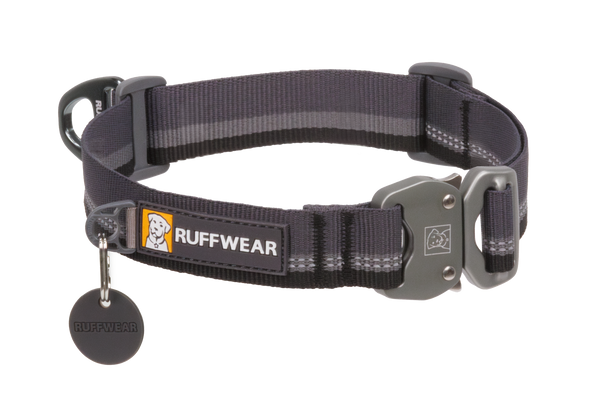
Credit: ruffwear.ca
Frequently Asked Questions
What Is The Best Collar Type For Small Dogs?
For small dogs, lightweight collars made of soft nylon or leather work best. They provide comfort without causing strain.
How To Choose A Collar For An Active Dog?
Choose durable collars like nylon or martingale that offer strength and control. Ensure they fit snugly but allow movement.
Are Gps Collars Beneficial For Dogs?
Yes, GPS collars help track your dog’s location. They provide safety and peace of mind, especially for outdoor pets.
When Should You Use A Martingale Collar?
Martingale collars are ideal for dogs with narrow heads. They prevent slipping and offer gentle control during walks.
Conclusion
Choosing the right collar keeps your dog safe and comfortable. Think about your dog’s size, breed, and habits. A good collar fits well without hurting your dog. Different collars suit different needs, like training or walking. Always check the collar for wear and tear.
Replace it if it gets damaged. A happy dog wears a collar that fits just right. Careful choice means better walks and happier pets. Keep your dog safe with the best collar choice.