

Have you ever wondered how some dogs learn tricks so quickly and happily? The secret often lies in a simple tool: the clicker.
If you want to train your dog effectively without frustration, understanding why you use a clicker can change everything. This small device can turn confusing commands into clear messages your dog understands instantly. Keep reading to discover how a clicker can make your training sessions easier, more fun, and more successful—for both you and your furry friend.
Benefits Of Clicker Training
Clicker training helps dogs learn faster and with less stress. It uses a small sound to mark good behavior exactly. This clear signal helps dogs understand what you want. Training becomes more fun for both you and your dog.
This method builds trust and strengthens your bond. Dogs feel confident because they know what earns rewards. It also makes training sessions shorter and more effective.
Clear Communication
The clicker gives a clear, consistent sound every time. Dogs hear the click and know they did something right. This clarity reduces confusion during training. It helps dogs learn commands faster and remember them well.
Positive Reinforcement
Clicker training uses rewards to encourage good behavior. The click marks the exact moment your dog does well. Dogs enjoy learning because they get treats or praise. This positive approach builds good habits without fear.
Consistency In Commands
The clicker sound is always the same, unlike words. This consistency helps dogs link actions to rewards easily. It avoids mixed signals and keeps training clear. Consistent commands lead to better and faster results.

Credit: pontosagres.com
How Clicker Training Works
Clicker training uses a small device that makes a distinct sound. This sound helps your dog understand which action you want. It creates clear communication between you and your dog. The method is simple but very effective in teaching new behaviors.
Marking Desired Behavior
The clicker marks the exact moment your dog does something right. This helps your dog know which behavior earned a reward. The clear signal reduces confusion during training. Dogs learn faster because they understand what pleases you.
Timing And Precision
Timing is key in clicker training. The click must happen right after the good behavior. This precision links the sound directly to the action. It helps your dog connect the click with what it did. Poor timing can confuse your dog and slow learning.
Pairing Click With Rewards
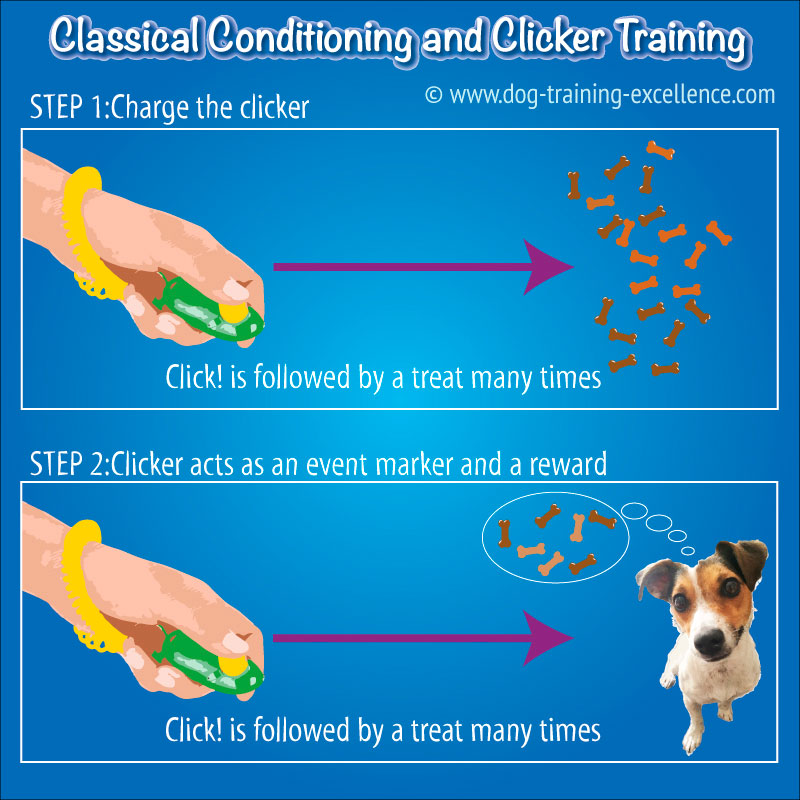
The click sound is always followed by a reward. This could be a treat, praise, or playtime. The reward motivates your dog to repeat the behavior. Over time, your dog associates the click with positive outcomes. This makes training fun and effective.
Choosing The Right Clicker
Choosing the right clicker is important for effective dog training. The right tool helps keep your dog’s attention. It also makes training clear and consistent. Not all clickers are the same. Some fit better in your hand. Others make louder or softer sounds. Picking the right one can improve your training sessions.
Types Of Clickers
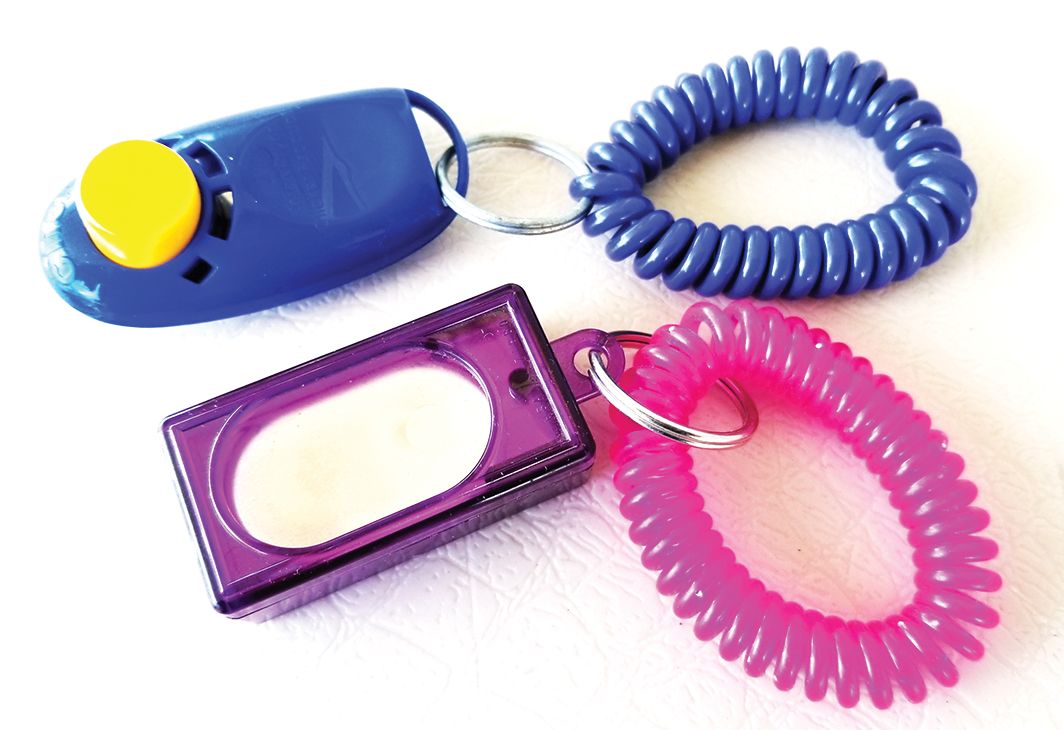
There are several types of clickers available. The most common is the plastic box clicker. It makes a sharp “click” sound when pressed. Some trainers prefer a metal clicker, which can be louder. Another type is the button clicker, which is easy to press. Some clickers come with wrist straps for convenience. Each type suits different training styles and needs.
Features To Consider
Sound clarity is a key feature. The click must be clear and consistent. Some dogs respond better to louder clicks. Others may need a softer sound. Size matters too. A small clicker is easy to carry. Large clickers might be hard to handle. Easy pressing helps maintain quick, accurate timing. Choosing a clicker with a good sound and size helps training flow smoothly.
Durability And Comfort
Durability is important for long-term use. Look for strong materials that last. Plastic clickers can break if dropped often. Metal clickers tend to be more durable. Comfort is also key. The clicker should fit well in your hand. It should not cause strain during long sessions. A comfortable and durable clicker makes training easier and more enjoyable for both you and your dog.
Credit: www.dog-training-excellence.com
Getting Started With Clicker Training
Getting started with clicker training is simple and effective. It helps your dog learn new behaviors quickly. This training method uses a small device called a clicker. The sound of the click marks the exact moment your dog does something right. This makes learning clear and fun for your dog.
Introducing The Clicker
First, show the clicker to your dog. Let your dog hear the sound a few times. Click once and wait for your dog’s reaction. This helps your dog get used to the new noise. Don’t use the clicker too much at first. Just a few clicks in a quiet place works best.
Establishing The Click-reward Link
Next, you must link the click sound to a reward. Click and immediately give your dog a treat. Repeat this several times in a row. Your dog starts to understand that a click means a treat is coming. This step is key for your dog to learn faster.
Simple First Commands
Start with easy commands like “sit” or “stay.” When your dog follows the command, click quickly. Then give a treat right after the click. Keep sessions short and fun to hold your dog’s attention. Praise your dog with kind words too. This builds a positive learning experience.
Common Challenges And Solutions
Using a clicker for dog training can bring great results. Yet, some common challenges may slow progress. Understanding these issues helps trainers improve their methods and keep dogs happy. Here are some typical problems and easy solutions to keep training smooth and effective.
Timing Mistakes
Clicking too early or too late confuses your dog. The click should happen the moment your dog does the right thing. If the timing is off, your dog may not link the click to the action. Practice clicking right after the behavior. This clear signal helps your dog learn faster.
Overusing The Clicker
Clicking too much can lose your dog’s interest. The click should mark only the best actions, not every small move. Use the clicker to highlight important behaviors. This keeps the clicks special and meaningful for your dog. Too many clicks make them less effective.
Maintaining Dog’s Interest
Dogs can get bored if training is too long or repetitive. Keep sessions short and fun. Use treats and praise along with clicks to motivate your dog. Change activities to keep your dog curious and eager. A happy dog learns more quickly and enjoys training.
Advanced Clicker Training Techniques
Advanced clicker training techniques build on basic skills. They help teach more detailed and tricky behaviors. Using these methods, trainers can communicate clearly and quickly with dogs. This speeds up learning and makes training fun for both.
Shaping Complex Behaviors
Shaping means rewarding small steps toward a big behavior. The clicker marks each good step exactly. This helps dogs understand what to do next. Trainers can build complex tricks by shaping one part at a time. It breaks hard tasks into easy pieces.
Combining Clicker With Verbal Cues
Clicker sounds teach dogs to focus on actions first. Then trainers add words to link with those actions. Dogs learn to respond to commands like “sit” or “stay.” The clicker helps dogs connect words to actions faster. This mix makes training clear and effective.
Fading Out The Clicker
After learning, dogs need less help from the clicker. Trainers slowly use the clicker less and less. They replace clicks with praise or treats. This helps dogs respond without the click sound. Fading clicker keeps the dog’s attention on commands.
Credit: www.whole-dog-journal.com
Frequently Asked Questions
What Is A Clicker In Dog Training?
A clicker is a small device that makes a distinct clicking sound. It marks desired dog behaviors clearly and immediately. This helps dogs understand which actions earn rewards, speeding up the learning process.
Why Use A Clicker Instead Of Voice Commands?
Clickers provide a consistent, clear sound that doesn’t vary like voice tones. This consistency helps dogs learn faster by reducing confusion during training sessions.
How Does Clicker Training Benefit Dogs?
Clicker training enhances communication between owner and dog. It encourages positive behaviors using rewards and builds trust, making training enjoyable and effective.
Can Beginners Easily Use A Clicker For Training?
Yes, beginners find clicker training straightforward. The clear sound signals correct behavior, making it easier to teach commands and tricks successfully.
Conclusion
Using a clicker helps dogs learn faster and clearer. It gives a clear signal that tells your dog when they do well. Training becomes more fun and less confusing for both of you. Dogs respond better to consistent sounds like a clicker.
It builds trust and strengthens your bond. Try using a clicker to make training easier and more effective. Small tools can make a big difference in dog training. Simple, clear signals help dogs understand what you want quickly.